Compare commits
478 Commits
| Author | SHA1 | Date | |
|---|---|---|---|
 Dev Khant Dev Khant
|
c6b9035956 | ||
|
Dev Khant
|
3513a9def6 | ||
|
Prateek Chhikara
|
0d45c61aa3 | ||
|
Parshva Daftari
|
f324462cc3 | ||
|
dbcontributions
|
52bd8fca5c | ||
|
Dev Khant
|
c45f14e77d | ||
|
Dev Khant
|
0dbfcbe6d9 | ||
|
Dev Khant
|
23279d4248 | ||
|
Dev Khant
|
68c7355f47 | ||
|
Pranav Puranik
|
aaf8e6e7ff | ||
|
Dev Khant
|
699741c760 | ||
|
Dev Khant
|
2d3dda3a4c | ||
|
dbcontributions
|
61dd5a5ea4 | ||
|
Dev Khant
|
41be228e5c | ||
|
Parshva Daftari
|
0491854298 | ||
|
Parshva Daftari
|
44ee48e924 | ||
|
Mayank
|
5525c4e6fe | ||
|
Dev Khant
|
3914f4d6ac | ||
|
Mathew Shen
|
8511eca03b | ||
|
Dev Khant
|
56ceecb4e3 | ||
|
Dev Khant
|
db5cb1986a | ||
|
Deshraj Yadav
|
6102aa76bb | ||
|
Dev Khant
|
fc88cae628 | ||
|
Prateek Chhikara
|
8c3c9e1520 | ||
|
Deshraj Yadav
|
55c54beeab | ||
|
Anusha Kondam
|
0a78cb9f7a | ||
|
Dev Khant
|
3502344e89 | ||
|
Dev Khant
|
30edf49aaf | ||
|
Dev Khant
|
5b9be679a8 | ||
|
Dev Khant
|
8e2f7f2bfb | ||
|
Dev Khant
|
dc5a26fe95 | ||
|
Dev Khant
|
d66654bf67 | ||
|
Divyanshu Prasad
|
959f4bb059 | ||
|
Anusha Kondam
|
f9634b4bf3 | ||
|
FoliageOwO
|
47a8e677e9 | ||
|
Anusha Yella
|
f40a2e7603 | ||
|
Prateek Chhikara
|
ac7b7aa20a | ||
|
Pranav Puranik
|
5eeeb4e38c | ||
|
Deshraj Yadav
|
db835cdcb8 | ||
|
Dev Khant
|
e3aca7026b | ||
|
k10
|
3bd49b57cc | ||
|
Prateek Chhikara
|
5b9b65c395 | ||
|
Anusha Yella
|
bbddb98aca | ||
|
Prateek Chhikara
|
b081e43b8d | ||
|
k10
|
58f29d8781 | ||
|
Shlok Khemani
|
f01e8a083e | ||
|
Kirk Lin
|
7170edd13f | ||
|
Mayank
|
bf0cf2d9c4 | ||
|
Mayank
|
51c4f2aae8 | ||
|
Dev Khant
|
a972d2fb07 | ||
|
Dev Khant
|
6a54d27286 | ||
|
Dev Khant
|
d32ae1a0b1 | ||
|
Mathew Shen
|
965f7a3735 | ||
|
Mathew Shen
|
136b5545ec | ||
|
Mathew Shen
|
8099d60e0e | ||
|
Prateek Chhikara
|
da2fd1a51a | ||
|
Dev Khant
|
18d069d10c | ||
|
Dev Khant
|
851b665c11 | ||
|
Yuhang
|
c674625e88 | ||
|
Dev Khant
|
23e2ed2163 | ||
|
Dev Khant
|
0b1ca090f5 | ||
|
Prateek Chhikara
|
bf3ad37369 | ||
|
Dev Khant
|
f21ca9b765 | ||
|
Prateek Chhikara
|
d113037a4f | ||
|
Prateek Chhikara
|
b2f683f3cc | ||
|
Pranav Puranik
|
83eb800fb3 | ||
|
Arthur Howard
|
af8454811c | ||
|
Prateek Chhikara
|
8dbfe28bbb | ||
|
Mark Bain
|
5d53b0c2ca | ||
|
Prateek Chhikara
|
65056311a6 | ||
|
Jaimin Godhani
|
d03ba0fc8a | ||
|
Jaimin Godhani
|
9804f078d0 | ||
|
Dev Khant
|
c886764b62 | ||
|
Mathew Shen
|
2262fadd5b | ||
|
dbcontributions
|
462aaebd6c | ||
|
k10
|
077d0c47f9 | ||
|
Anusha Kondam
|
ad233034ef | ||
|
Prateek Chhikara
|
9d0932971d | ||
|
Prateek Chhikara
|
822a8acedb | ||
|
Jaimin Godhani
|
28bc4fe05b | ||
|
Mathew Shen
|
df5b7109f5 | ||
|
Mathew Shen
|
4bbbc904b6 | ||
|
Pranav Puranik
|
fee3c27af3 | ||
|
Prateek Chhikara
|
deeb4f2250 | ||
|
Prateek Chhikara
|
a80796b5ff | ||
|
Dev Khant
|
a279ed0694 | ||
|
Dev Khant
|
06d6fe7d76 | ||
|
Dev Khant
|
6057cf5202 | ||
|
Tibor Sloboda
|
a94bd11a76 | ||
|
Pranav Puranik
|
e8004537c1 | ||
|
Dev Khant
|
c8a47b2f98 | ||
|
Dev Khant
|
c545dcf412 | ||
|
ParseDark
|
b80925e857 | ||
|
Prateek Chhikara
|
3fb4f2655b | ||
|
Prateek Chhikara
|
324e17b226 | ||
|
Dev Khant
|
b3d6e645b7 | ||
|
Dev Khant
|
cb2f86551b | ||
|
Prateek Chhikara
|
4f5a40a84f | ||
|
Prateek Chhikara
|
ea86dc1576 | ||
|
Deshraj Yadav
|
7de35b4a68 | ||
|
Max von Hippel
|
2d66c23116 | ||
|
Prateek Chhikara
|
515fb86497 | ||
|
Prateek Chhikara
|
8ea12ca24b | ||
|
Prateek Chhikara
|
448a21f617 | ||
|
Prateek Chhikara
|
a7f5fb59c3 | ||
|
Prateek Chhikara
|
c64e0824da | ||
|
anifort
|
9b7a882d57 | ||
|
Dev Khant
|
e3a3a48973 | ||
|
Dev Khant
|
6a9f5341b5 | ||
|
Dev Khant
|
e31ca239a0 | ||
|
dbcontributions
|
0e0d0b8fc7 | ||
|
Dev Khant
|
8476ce5d8e | ||
|
Deshraj Yadav
|
047a85711e | ||
|
Dev Khant
|
32ea60a5fc | ||
|
Dev Khant
|
1e39a22c52 | ||
|
Dev Khant
|
daa65e7b02 | ||
|
Dev Khant
|
eb7a7e09eb | ||
|
从零开始学AI
|
c0232a7d97 | ||
|
Deshraj Yadav
|
a8ba7abb7d | ||
|
rajib
|
e35786e567 | ||
|
Dev Khant
|
214a1ddca5 | ||
|
Dev Khant
|
10cbee943c | ||
|
Dev Khant
|
aba5bb052d | ||
|
dbcontributions
|
a461091ba5 | ||
|
Dev Khant
|
64218db7bd | ||
|
Dev Khant
|
2180b83a8b | ||
|
Dev Khant
|
f19dfe70d7 | ||
|
Samuel Devdas
|
31ef9135e7 | ||
|
Taranjeet Singh
|
5cea47947c | ||
|
Taranjeet Singh
|
883ffd7de0 | ||
|
Dev Khant
|
e66f277324 | ||
|
Dev Khant
|
01cfad62b1 | ||
|
Dev Khant
|
6cc4a31e91 | ||
|
Dev Khant
|
629bb5bb63 | ||
|
Dev Khant
|
b245309242 | ||
|
Mitul Kataria
|
464a188662 | ||
|
dbcontributions
|
4aae2b5cca | ||
|
Deshraj Yadav
|
442f6d72d0 | ||
|
Deshraj Yadav
|
d1c5c70b4c | ||
|
krescent
|
e570888437 | ||
|
Dev Khant
|
38965ab6bf | ||
|
Shlok Khemani
|
7a2fd70184 | ||
|
cat
|
388c70789a | ||
|
freshield.eth
|
d5b3eda16c | ||
|
krescent
|
8c8f4120f4 | ||
|
Taranjeet Singh
|
e190445492 | ||
|
Taranjeet Singh
|
2dcbcdf7a5 | ||
|
Taranjeet Singh
|
0ccb1124bd | ||
|
Taranjeet Singh
|
874c2e96ca | ||
|
Taranjeet Singh
|
4a643a8449 | ||
|
Taranjeet Singh
|
37cacb27ec | ||
|
Taranjeet Singh
|
a14a4405db | ||
|
Taranjeet Singh
|
7ba46ec5ec | ||
|
Dev Khant
|
296327793c | ||
|
Taranjeet Singh
|
4af6288adb | ||
|
Taranjeet Singh
|
de7ee38e45 | ||
|
Dev Khant
|
9f6ec325fb | ||
|
Dev-Khant
|
b10ec8c34a | ||
|
dbcontributions
|
b6cfd960d1 | ||
|
Dev Khant
|
5aa7bedabe | ||
|
Dev Khant
|
04b4807145 | ||
|
Dev Khant
|
5837991e5c | ||
|
Mitul Kataria
|
81b4431c9b | ||
|
Dev Khant
|
504a87d799 | ||
|
Dev Khant
|
024089d33e | ||
|
Dev Khant
|
1c46fddce1 | ||
|
dbcontributions
|
784b607613 | ||
|
Dev Khant
|
44aa16a0f8 | ||
|
Dev Khant
|
3eff82082e | ||
|
Dev Khant
|
d2f6fce52e | ||
|
Dev Khant
|
419dc6598c | ||
|
krescent
|
51092b0b64 | ||
|
Mathew Shen
|
918823d805 | ||
|
Mitul Kataria
|
e287fb9a89 | ||
|
Pranav Puranik
|
ab4f872502 | ||
|
Kirk Lin
|
8be831f7ed | ||
|
Dev Khant
|
67c775276f | ||
|
Xie Yanbo
|
12a4934112 | ||
|
Pranav Puranik
|
b386e24f5d | ||
|
Dev Khant
|
58b6887bf5 | ||
|
Mathew Shen
|
2269194662 | ||
|
Ikko Eltociear Ashimine
|
1290c1bb2e | ||
|
Pranav Puranik
|
c197a5fe93 | ||
|
andrewghlee
|
563a130141 | ||
|
Dev Khant
|
80945df4ca | ||
|
Dev Khant
|
45ae1f0313 | ||
|
Dev Khant
|
e585d3c1cc | ||
|
Pranav Puranik
|
abd4ec64eb | ||
|
Dev Khant
|
47afe52296 | ||
|
Dev Khant
|
f2ddc573f6 | ||
|
Dev Khant
|
6f42a95aab | ||
|
Taranjeet Singh
|
ac6b53ed0a | ||
|
Taranjeet Singh
|
c39436ae74 | ||
|
Taranjeet Singh
|
607c689cb0 | ||
|
Taranjeet Singh
|
914feb65a0 | ||
|
Dev Khant
|
ab3c9f889d | ||
|
Taranjeet Singh
|
bb2efb8b8b | ||
|
Taranjeet Singh
|
9148cce8fc | ||
|
Prateek Chhikara
|
cbb2b2991d | ||
|
Dev Khant
|
fd1d5e0e2b | ||
|
Deshraj Yadav
|
04b0297ae4 | ||
|
Deshraj Yadav
|
ef706ad976 | ||
|
Taranjeet Singh
|
d9f09c1819 | ||
|
Dev Khant
|
0773b37197 | ||
|
Dev Khant
|
c8a5c6f0e9 | ||
|
Deshraj Yadav
|
c7b9498693 | ||
|
Dev Khant
|
c27ab0585c | ||
|
Dev Khant
|
e913c96926 | ||
|
Dev Khant
|
0c9c5fe9c2 | ||
|
Dev Khant
|
51fd7db205 | ||
|
Dev Khant
|
e9136c1aa0 | ||
|
Dev Khant
|
a546a9f56a | ||
|
Dev Khant
|
40c9abe484 | ||
|
Dev Khant
|
c411dc294e | ||
|
Deshraj Yadav
|
fb5a3bfd95 | ||
|
Dev Khant
|
7441f1462d | ||
|
Deshraj Yadav
|
c9240e7ca6 | ||
|
Dev Khant
|
1e7618dfa4 | ||
|
Deshraj Yadav
|
4e5d34103f | ||
|
Dev Khant
|
da435bc025 | ||
|
Deshraj Yadav
|
2a43aa6902 | ||
|
Dev Khant
|
b620f8fae3 | ||
|
Deshraj Yadav
|
03f787d5cb | ||
|
Dev Khant
|
19637804b3 | ||
|
Dev Khant
|
80f145fceb | ||
|
Deshraj Yadav
|
34477d4936 | ||
|
Deshraj Yadav
|
4ec51f2dd6 | ||
|
Taranjeet Singh
|
f842a92e25 | ||
|
Vatsal Rathod
|
83e8c97295 | ||
|
Dev Khant
|
1a5d0d236a | ||
|
Dev Khant
|
ebbf90f4aa | ||
|
Stefan Bokarev
|
4f119692f1 | ||
|
Dev Khant
|
bbe56107fb | ||
|
Parshva Daftari
|
bd654e7aac | ||
|
Dev Khant
|
33500a7ce2 | ||
|
Dev Khant
|
4880557d51 | ||
|
Dev Khant
|
ea09b5f7f0 | ||
|
Pranav Puranik
|
5258fd91ea | ||
|
João Moura
|
b305d674de | ||
|
Pranav Puranik
|
7c24601d0f | ||
|
Dev Khant
|
50c0285cb2 | ||
|
Dev Khant
|
0a78198bb5 | ||
|
Vatsal Rathod
|
edaeb78ccf | ||
|
Dev Khant
|
f80be2d2ea | ||
|
Halan Marques
|
8700165b42 | ||
|
Prashant Dixit
|
18fb92f1f8 | ||
|
Nikhil Sharma
|
14fc6bbadd | ||
|
Dev Khant
|
5070a1d83e | ||
|
Dev Khant
|
8a9088ea9d | ||
|
Prashant Dixit
|
48b24f6f12 | ||
|
Dev Khant
|
f6ddd5ffc5 | ||
|
Dev Khant
|
b43a116b3c | ||
|
Dev Khant
|
50512a5f03 | ||
|
Dev Khant
|
e3e107b31d | ||
|
Dev Khant
|
21a04541ea | ||
|
Dev Khant
|
cdd5d8ac76 | ||
|
Dev Khant
|
11094f504e | ||
|
mogith-pn
|
5acaae5f56 | ||
|
Pranav Puranik
|
4547d870af | ||
|
Aditya Veer Parmar
|
dc0d8e0932 | ||
|
patcher9
|
c558eae9ce | ||
|
patcher9
|
abb9af66a6 | ||
|
Ananto Joyoadikusumo
|
4800e0344c | ||
|
Dev Khant
|
439b425c61 | ||
|
Dev Khant
|
2855f1635b | ||
|
Dev Khant
|
08b67b4a78 | ||
|
Dev Khant
|
1bddd46ed2 | ||
|
Pranav Puranik
|
6ecdadfd97 | ||
|
Dimitra Gerontaki
|
4119040005 | ||
|
Taranjeet Singh
|
873eef6ef8 | ||
|
Taranjeet Singh
|
445fed4d3f | ||
|
Dev Khant
|
52fd3e0dd4 | ||
|
Saurabh Misra
|
8fd0e1f3b0 | ||
|
golemus
|
11fc4a8451 | ||
|
shuo
|
e22293294e | ||
|
Dev Khant
|
73e53aaff1 | ||
|
Deshraj Yadav
|
6fa946557f | ||
|
Youbin Choi
|
fb0852f585 | ||
|
Dev Khant
|
4070fc1bf0 | ||
|
Dev Khant
|
00c1fa1ec7 | ||
|
Dev Khant
|
04e77ef34e | ||
|
Dev Khant
|
827d63d115 | ||
|
Anu
|
e0d0f6e94c | ||
|
Dev Khant
|
fd07513004 | ||
|
Dev Khant
|
b0e436d9c4 | ||
|
Dev Khant
|
a4bfd9cfc6 | ||
|
Dev Khant
|
8ca01918e5 | ||
|
Deshraj Yadav
|
a5b2381458 | ||
|
Anu
|
26c771503b | ||
|
Saurabh Misra
|
622ed4a7c9 | ||
|
Saurabh Misra
|
940f0128d5 | ||
|
Saurabh Misra
|
1354747ca8 | ||
|
Deshraj Yadav
|
9544c69c55 | ||
|
LeonieFreisinger
|
9ba445e623 | ||
|
Abdur Rahman Nawaz
|
ebc5e25f98 | ||
|
Esparon1
|
78301ee63d | ||
|
Niv Hertz
|
797dea1dca | ||
|
Deshraj Yadav
|
a0ff764f0a | ||
|
Colin O'Brien
|
a795798156 | ||
|
Jesús Ferretti
|
1a66f961f4 | ||
|
Deshraj Yadav
|
6fb2048af0 | ||
|
Deshraj Yadav
|
ba9f186fc5 | ||
|
Dev Khant
|
6c32d287b5 | ||
|
Deshraj Yadav
|
536f85b78a | ||
|
neilbhutada
|
f8619870ad | ||
|
Deshraj Yadav
|
d00a2085d5 | ||
|
Deshraj Yadav
|
85ec61335a | ||
|
Flyfoxs
|
9b48a12c27 | ||
|
Deshraj Yadav
|
c181ccbe42 | ||
|
Deshraj Yadav
|
8520033d44 | ||
|
Deshraj Yadav
|
ebdce87fde | ||
|
Abhishek Sharma
|
f2122ed696 | ||
|
Deshraj Yadav
|
3616eaadb4 | ||
|
berwin joule
|
ef69c91b60 | ||
|
Dev Khant
|
117824b32c | ||
|
Dev Khant
|
f77f5b996e | ||
|
Deshraj Yadav
|
a4d32aec24 | ||
|
Uzair Naeem
|
9111495fae | ||
|
Hardik Jindal
|
ee1e3f0957 | ||
|
Deshraj Yadav
|
4dc5c7348f | ||
|
Deshraj Yadav
|
4428768eaa | ||
|
Joe
|
11f4ce8fb6 | ||
|
Felipe Amaral
|
6078738d34 | ||
|
Deshraj Yadav
|
faacfeb891 | ||
|
Deshraj Yadav
|
8d7e8b6fb9 | ||
|
Deshraj Yadav
|
7e1d2ffdd7 | ||
|
Deshraj Yadav
|
91044ec591 | ||
|
Deshraj Yadav
|
c77a75dfb5 | ||
|
Deshraj Yadav
|
6518c0c06b | ||
|
Deshraj Yadav
|
09cdaff9a2 | ||
|
Deshraj Yadav
|
56bf33ab7f | ||
|
Deshraj Yadav
|
752f638cfc | ||
|
Deshraj Yadav
|
92dd7edb57 | ||
|
Deshraj Yadav
|
b4bb4cf053 | ||
|
Deshraj Yadav
|
f0400e928a | ||
|
Deshraj Yadav
|
aa5ad625af | ||
|
Deshraj Yadav
|
f8f69eab03 | ||
|
João Moura
|
2b2263acaa | ||
|
Deshraj Yadav
|
5e2e7fb639 | ||
|
Deshraj Yadav
|
6c12bc9044 | ||
|
Saurabh Misra
|
9a11683003 | ||
|
Deshraj Yadav
|
38b4e06963 | ||
|
Deshraj Yadav
|
0766a44ccf | ||
|
Deshraj Yadav
|
036bf3a161 | ||
|
UnMonsieur
|
41bd258b93 | ||
|
Deshraj Yadav
|
38e212c721 | ||
|
Deshraj Yadav
|
2f285ea00a | ||
|
Dhravya Shah
|
d38120c839 | ||
|
Michael
|
d94aee812b | ||
|
Rishiraj2594
|
68d650ec40 | ||
|
Rishiraj2594
|
769d926f5a | ||
|
Oskar
|
9478bab04e | ||
|
Deshraj Yadav
|
7ad4af250f | ||
|
Deshraj Yadav
|
9fa368b114 | ||
|
Deshraj Yadav
|
4afef04f26 | ||
|
Thomas T
|
8fe2c3effc | ||
|
Deshraj Yadav
|
fa78c972be | ||
|
Deshraj Yadav
|
0e66261644 | ||
|
Juanan Pereira
|
819650a254 | ||
|
Taranjeet Singh
|
34c41c87dc | ||
|
Deshraj Yadav
|
2985b667b0 | ||
|
Taranjeet Singh
|
31bb0e7f0f | ||
|
Taranjeet Singh
|
8f28264aec | ||
|
Taranjeet Singh
|
ec4fb11aa5 | ||
|
Deven Patel
|
b210723de1 | ||
|
Deven Patel
|
433f99dd78 | ||
|
Deven Patel
|
e75c05112e | ||
|
Taranjeet Singh
|
d2a5b50ff8 | ||
|
Deven Patel
|
120690afd4 | ||
|
Deven Patel
|
344dbeee42 | ||
|
Taranjeet Singh
|
3fe3b0320a | ||
|
Deven Patel
|
75896b647f | ||
|
Peter Jausovec
|
446d0975aa | ||
|
Deven Patel
|
b7d365119c | ||
|
Deven Patel
|
2d9fbd4e49 | ||
|
Deven Patel
|
22e14b5e65 | ||
|
Deven Patel
|
1a654beea4 | ||
|
Deven Patel
|
f50f8a444a | ||
|
Deven Patel
|
3cc3a0058d | ||
|
Taranjeet Singh
|
ae473b5e3c | ||
|
Deven Patel
|
efb7e31565 | ||
|
Deven Patel
|
069d265338 | ||
|
Taranjeet Singh
|
751a3a4bd1 | ||
|
Deven Patel
|
cb0499407e | ||
|
Deven Patel
|
9afc6878c8 | ||
|
Deven Patel
|
0b5b12575a | ||
|
aryankhanna475
|
d79d30bf0c | ||
|
Deven Patel
|
59600e2a5b | ||
|
Deven Patel
|
e572b5a3dc | ||
|
Juanan Pereira
|
5b46daaee4 | ||
|
Deven Patel
|
2784bae772 | ||
|
Deshraj Yadav
|
325e11f0de | ||
|
Deven Patel
|
7444f59e3c | ||
|
Deshraj Yadav
|
affe319460 | ||
|
Deshraj Yadav
|
862ff6cca6 | ||
|
Deven Patel
|
c020e65a50 | ||
|
Deven Patel
|
f582c1fe25 | ||
|
Deshraj Yadav
|
785929c502 | ||
|
Deshraj Yadav
|
68ec6615b1 | ||
|
Deven Patel
|
e2cca61cd3 | ||
|
Deshraj Yadav
|
69e83adae0 | ||
|
Deshraj Yadav
|
9e24aee40d | ||
|
Christian Clauss
|
3cff5e9898 | ||
|
Deshraj Yadav
|
f3553040bc | ||
|
Christian Clauss
|
2b13984e11 | ||
|
Sandra Serrano
|
0de9491c61 | ||
|
Deshraj Yadav
|
c9df7a2020 | ||
|
Deshraj Yadav
|
a7222e8c50 | ||
|
Deshraj Yadav
|
0373fa231c | ||
|
Deshraj Yadav
|
5f653e69ae | ||
|
Sandra Serrano
|
2496ed133e | ||
|
Madison Ebersole
|
62c0c52e31 | ||
|
Deven Patel
|
e36198dcc2 | ||
|
Deshraj Yadav
|
5fa6221f91 | ||
|
YusukeJustinNakajima
|
f7696d1dc1 | ||
|
Christian Clauss
|
1878f8d4fc | ||
|
Deshraj Yadav
|
6c69ddef9b | ||
|
Deshraj Yadav
|
0c45020d81 | ||
|
Deven Patel
|
4dfce44c1a | ||
|
Deven Patel
|
1b661bb2fd | ||
|
Deven Patel
|
73e726f6e3 | ||
|
Deven Patel
|
f58bbeffce | ||
|
Deven Patel
|
99261e5fb5 | ||
|
Deshraj Yadav
|
b4a59d1bd5 | ||
|
Deshraj Yadav
|
5c1f78879f | ||
|
Sandra Serrano
|
94ba82f2a2 | ||
|
Joe Sleiman
|
b4ec14382b | ||
|
Ikko Eltociear Ashimine
|
38ad57a22c | ||
|
Deshraj Yadav
|
60bbc180ba | ||
|
Taranjeet Singh
|
a67d902b85 | ||
|
Deven Patel
|
ae2e9cb890 | ||
|
Deven Patel
|
1976d38b25 | ||
|
Deshraj Yadav
|
f5e3410e9a | ||
|
Taranjeet Singh
|
2f6ba642c7 | ||
|
Taranjeet Singh
|
dd9b72dc62 | ||
|
Taranjeet Singh
|
dd258c14b5 | ||
|
Deven Patel
|
295cd3fac6 | ||
|
Sidharth Mohanty
|
c62663f2e4 | ||
|
Taranjeet Singh
|
367d6b70e2 | ||
|
Taranjeet Singh
|
27236bd1b2 | ||
|
Deven Patel
|
6a82eb4287 | ||
|
Logie
|
bd88fe3980 | ||
|
Deven Patel
|
4f70fea6df | ||
|
Sidharth Mohanty
|
aee5bbb44b | ||
|
Deven Patel
|
a304ded500 | ||
|
Deshraj Yadav
|
a54dde0509 | ||
|
Taranjeet Singh
|
52b4577d3b | ||
|
Taranjeet Singh
|
e199f57279 | ||
|
Taranjeet Singh
|
dec12b33a6 | ||
|
Deven Patel
|
04daa1b206 | ||
|
Deven Patel
|
a7e1520d08 | ||
|
Deshraj Yadav
|
9e2b232c13 | ||
|
Sidharth Mohanty
|
404e73af77 | ||
|
Sidharth Mohanty
|
a544b4d3ff | ||
|
Sidharth Mohanty
|
6df63d9ca7 | ||
|
Deshraj Yadav
|
904baac153 | ||
|
Deven Patel
|
a926bcc640 | ||
|
Deven Patel
|
c0aafd38c9 | ||
|
Deven Patel
|
19d80914df | ||
|
Sidharth Mohanty
|
d9d529987e | ||
|
Deven Patel
|
12e6eaf802 | ||
|
Taranjeet Singh
|
7a026ea282 | ||
|
Taranjeet Singh
|
97dc90169b | ||
|
Sidharth Mohanty
|
64c02f374a | ||
|
Sukkrit Sharma
|
6c1ea7799e | ||
|
Deshraj Yadav
|
6be29f5bed | ||
|
Deven Patel
|
68737da7a2 | ||
|
Deven Patel
|
da388b679f | ||
|
Sidharth Mohanty
|
11f0d719f5 | ||
|
Deshraj Yadav
|
e90673ae5b | ||
|
Deven Patel
|
f055028c6b | ||
|
Prikshit
|
106a338371 | ||
|
Deven Patel
|
9fe80c5cca | ||
|
Deshraj Yadav
|
050706e95e | ||
|
Sidharth Mohanty
|
6d2389de1c | ||
|
Dhravya Shah
|
dd97fad5a4 | ||
|
Sukkrit Sharma
|
0f73ba9677 | ||
|
Sidharth Mohanty
|
210fe9bb80 |
@@ -1 +0,0 @@
|
||||
OPENAI_API_KEY="your-openai-api-key"
|
||||
@@ -5,7 +5,7 @@ body:
|
||||
- type: markdown
|
||||
attributes:
|
||||
value: >
|
||||
#### Before submitting a bug, please make sure the issue hasn't been already addressed by searching through [the existing and past issues](https://github.com/gventuri/pandas-ai/issues?q=is%3Aissue+sort%3Acreated-desc+).
|
||||
#### Before submitting a bug, please make sure the issue hasn't been already addressed by searching through [the existing and past issues](https://github.com/embedchain/embedchain/issues?q=is%3Aissue+sort%3Acreated-desc+).
|
||||
- type: textarea
|
||||
attributes:
|
||||
label: 🐛 Describe the bug
|
||||
|
||||
@@ -2,14 +2,13 @@ name: Publish Python 🐍 distributions 📦 to PyPI and TestPyPI
|
||||
|
||||
on:
|
||||
release:
|
||||
types: [published] # This will trigger the workflow when you create a new release
|
||||
types: [published]
|
||||
|
||||
jobs:
|
||||
build-n-publish:
|
||||
name: Build and publish Python 🐍 distributions 📦 to PyPI and TestPyPI
|
||||
runs-on: ubuntu-latest
|
||||
permissions:
|
||||
# IMPORTANT: this permission is mandatory for trusted publishing
|
||||
id-token: write
|
||||
steps:
|
||||
- uses: actions/checkout@v2
|
||||
@@ -25,16 +24,23 @@ jobs:
|
||||
echo "$HOME/.local/bin" >> $GITHUB_PATH
|
||||
|
||||
- name: Install dependencies
|
||||
run: poetry install
|
||||
run: |
|
||||
cd embedchain
|
||||
poetry install
|
||||
|
||||
- name: Build a binary wheel and a source tarball
|
||||
run: poetry build
|
||||
run: |
|
||||
cd embedchain
|
||||
poetry build
|
||||
|
||||
- name: Publish distribution 📦 to Test PyPI
|
||||
uses: pypa/gh-action-pypi-publish@release/v1
|
||||
with:
|
||||
repository_url: https://test.pypi.org/legacy/
|
||||
packages_dir: embedchain/dist/
|
||||
|
||||
- name: Publish distribution 📦 to PyPI
|
||||
if: startsWith(github.ref, 'refs/tags')
|
||||
uses: pypa/gh-action-pypi-publish@release/v1
|
||||
uses: pypa/gh-action-pypi-publish@release/v1
|
||||
with:
|
||||
packages_dir: embedchain/dist/
|
||||
+61
-12
@@ -4,22 +4,40 @@ on:
|
||||
push:
|
||||
branches: [main]
|
||||
paths:
|
||||
- 'embedchain/**'
|
||||
- 'mem0/**'
|
||||
- 'tests/**'
|
||||
- 'examples/**'
|
||||
- 'embedchain/**'
|
||||
pull_request:
|
||||
paths:
|
||||
- 'embedchain/**'
|
||||
- 'mem0/**'
|
||||
- 'tests/**'
|
||||
- 'examples/**'
|
||||
- 'embedchain/**'
|
||||
|
||||
jobs:
|
||||
build:
|
||||
check_changes:
|
||||
runs-on: ubuntu-latest
|
||||
outputs:
|
||||
mem0_changed: ${{ steps.filter.outputs.mem0 }}
|
||||
embedchain_changed: ${{ steps.filter.outputs.embedchain }}
|
||||
steps:
|
||||
- uses: actions/checkout@v3
|
||||
- uses: dorny/paths-filter@v2
|
||||
id: filter
|
||||
with:
|
||||
filters: |
|
||||
mem0:
|
||||
- 'mem0/**'
|
||||
- 'tests/**'
|
||||
embedchain:
|
||||
- 'embedchain/**'
|
||||
|
||||
build_mem0:
|
||||
needs: check_changes
|
||||
if: needs.check_changes.outputs.mem0_changed == 'true'
|
||||
runs-on: ubuntu-latest
|
||||
strategy:
|
||||
matrix:
|
||||
python-version: ["3.9", "3.10", "3.11"]
|
||||
|
||||
python-version: ["3.10", "3.11"]
|
||||
steps:
|
||||
- uses: actions/checkout@v3
|
||||
- name: Set up Python ${{ matrix.python-version }}
|
||||
@@ -37,17 +55,48 @@ jobs:
|
||||
uses: actions/cache@v2
|
||||
with:
|
||||
path: .venv
|
||||
key: venv-${{ runner.os }}-${{ hashFiles('**/poetry.lock') }}
|
||||
key: venv-mem0-${{ runner.os }}-${{ hashFiles('**/poetry.lock') }}
|
||||
- name: Install dependencies
|
||||
run: poetry install --all-extras
|
||||
run: make install_all
|
||||
if: steps.cached-poetry-dependencies.outputs.cache-hit != 'true'
|
||||
- name: Run tests and generate coverage report
|
||||
run: make test
|
||||
|
||||
build_embedchain:
|
||||
needs: check_changes
|
||||
if: needs.check_changes.outputs.embedchain_changed == 'true'
|
||||
runs-on: ubuntu-latest
|
||||
strategy:
|
||||
matrix:
|
||||
python-version: ["3.9", "3.10", "3.11"]
|
||||
steps:
|
||||
- uses: actions/checkout@v3
|
||||
- name: Set up Python ${{ matrix.python-version }}
|
||||
uses: actions/setup-python@v4
|
||||
with:
|
||||
python-version: ${{ matrix.python-version }}
|
||||
- name: Install poetry
|
||||
uses: snok/install-poetry@v1
|
||||
with:
|
||||
version: 1.4.2
|
||||
virtualenvs-create: true
|
||||
virtualenvs-in-project: true
|
||||
- name: Load cached venv
|
||||
id: cached-poetry-dependencies
|
||||
uses: actions/cache@v2
|
||||
with:
|
||||
path: .venv
|
||||
key: venv-embedchain-${{ runner.os }}-${{ hashFiles('**/poetry.lock') }}
|
||||
- name: Install dependencies
|
||||
run: cd embedchain && make install_all
|
||||
if: steps.cached-poetry-dependencies.outputs.cache-hit != 'true'
|
||||
- name: Lint with ruff
|
||||
run: make lint
|
||||
run: cd embedchain && make lint
|
||||
- name: Run tests and generate coverage report
|
||||
run: make coverage
|
||||
run: cd embedchain && make coverage
|
||||
- name: Upload coverage reports to Codecov
|
||||
uses: codecov/codecov-action@v3
|
||||
with:
|
||||
file: coverage.xml
|
||||
env:
|
||||
CODECOV_TOKEN: ${{ secrets.CODECOV_TOKEN }}
|
||||
CODECOV_TOKEN: ${{ secrets.CODECOV_TOKEN }}
|
||||
+10
@@ -165,6 +165,7 @@ cython_debug/
|
||||
# Database
|
||||
db
|
||||
test-db
|
||||
!embedchain/embedchain/core/db/
|
||||
|
||||
.vscode
|
||||
.idea/
|
||||
@@ -175,3 +176,12 @@ notebooks/*.yaml
|
||||
.ipynb_checkpoints/
|
||||
|
||||
!configs/*.yaml
|
||||
|
||||
# cache db
|
||||
*.db
|
||||
|
||||
# local directories for testing
|
||||
eval/
|
||||
qdrant_storage/
|
||||
.crossnote
|
||||
testing.ipynb
|
||||
|
||||
+12
-16
@@ -1,20 +1,16 @@
|
||||
repos:
|
||||
- repo: https://github.com/psf/black
|
||||
rev: 23.3.0
|
||||
hooks:
|
||||
- id: black
|
||||
- repo: https://github.com/charliermarsh/ruff-pre-commit
|
||||
rev: 'v0.0.220'
|
||||
hooks:
|
||||
- id: ruff
|
||||
name: ruff
|
||||
# Respect `exclude` and `extend-exclude` settings.
|
||||
args: ["--force-exclude"]
|
||||
- repo: local
|
||||
hooks:
|
||||
- id: pytest-check
|
||||
name: pytest-check
|
||||
entry: poetry run pytest
|
||||
- id: ruff
|
||||
name: Ruff
|
||||
entry: ruff check
|
||||
language: system
|
||||
pass_filenames: false
|
||||
always_run: true
|
||||
types: [python]
|
||||
args: [--fix]
|
||||
|
||||
- id: isort
|
||||
name: isort
|
||||
entry: isort
|
||||
language: system
|
||||
types: [python]
|
||||
args: ["--profile", "black"]
|
||||
|
||||
+11
-30
@@ -1,4 +1,4 @@
|
||||
# Contributing to embedchain
|
||||
# Contributing to mem0
|
||||
|
||||
Let us make contribution easy, collaborative and fun.
|
||||
|
||||
@@ -10,9 +10,8 @@ To make a contribution, follow these steps:
|
||||
2. Do the changes on your fork with dedicated feature branch `feature/f1`
|
||||
3. If you modified the code (new feature or bug-fix), please add tests for it
|
||||
4. Include proper documentation / docstring and examples to run the feature
|
||||
5. Check the linting
|
||||
6. Ensure that all tests pass
|
||||
7. Submit a pull request
|
||||
5. Ensure that all tests pass
|
||||
6. Submit a pull request
|
||||
|
||||
For more details about pull requests, please read [GitHub's guides](https://docs.github.com/en/pull-requests/collaborating-with-pull-requests/proposing-changes-to-your-work-with-pull-requests/creating-a-pull-request).
|
||||
|
||||
@@ -24,9 +23,7 @@ We use `poetry` as our package manager. You can install poetry by following the
|
||||
Please DO NOT use pip or conda to install the dependencies. Instead, use poetry:
|
||||
|
||||
```bash
|
||||
poetry install --all-extras
|
||||
or
|
||||
poetry install --with dev
|
||||
make install_all
|
||||
|
||||
#activate
|
||||
|
||||
@@ -41,34 +38,18 @@ To ensure our standards, make sure to install pre-commit before starting to cont
|
||||
pre-commit install
|
||||
```
|
||||
|
||||
### 🧹 Linting
|
||||
|
||||
We use `ruff` to lint our code. You can run the linter by running the following command:
|
||||
|
||||
```bash
|
||||
make lint
|
||||
```
|
||||
|
||||
Make sure that the linter does not report any errors or warnings before submitting a pull request.
|
||||
|
||||
### Code Formatting with `black`
|
||||
|
||||
We use `black` to reformat the code by running the following command:
|
||||
|
||||
```bash
|
||||
make format
|
||||
```
|
||||
|
||||
### 🧪 Testing
|
||||
|
||||
We use `pytest` to test our code. You can run the tests by running the following command:
|
||||
|
||||
```bash
|
||||
poetry run pytest
|
||||
poetry run pytest tests
|
||||
|
||||
# or
|
||||
|
||||
make test
|
||||
```
|
||||
|
||||
Make sure that all tests pass before submitting a pull request.
|
||||
Several packages have been removed from Poetry to make the package lighter. Therefore, it is recommended to run `make install_all` to install the remaining packages and ensure all tests pass. Make sure that all tests pass before submitting a pull request.
|
||||
|
||||
## 🚀 Release Process
|
||||
|
||||
At the moment, the release process is manual. We try to make frequent releases. Usually, we release a new version when we have a new feature or bugfix. A developer with admin rights to the repository will create a new release on GitHub, and then publish the new version to PyPI.
|
||||
We look forward to your pull requests and can't wait to see your contributions!
|
||||
@@ -1,45 +1,43 @@
|
||||
# Variables
|
||||
PYTHON := python3
|
||||
PIP := $(PYTHON) -m pip
|
||||
PROJECT_NAME := embedchain
|
||||
.PHONY: format sort lint
|
||||
|
||||
# Targets
|
||||
.PHONY: install format lint clean test ci_lint ci_test coverage
|
||||
# Variables
|
||||
ISORT_OPTIONS = --profile black
|
||||
PROJECT_NAME := mem0ai
|
||||
|
||||
# Default target
|
||||
all: format sort lint
|
||||
|
||||
install:
|
||||
poetry install
|
||||
|
||||
install_all:
|
||||
poetry install --all-extras
|
||||
|
||||
install_es:
|
||||
poetry install --extras elasticsearch
|
||||
|
||||
install_opensearch:
|
||||
poetry install --extras opensearch
|
||||
|
||||
install_milvus:
|
||||
poetry install --extras milvus
|
||||
|
||||
shell:
|
||||
poetry shell
|
||||
|
||||
py_shell:
|
||||
poetry run python
|
||||
poetry install
|
||||
poetry run pip install groq together boto3 litellm ollama chromadb sentence_transformers vertexai \
|
||||
google-generativeai
|
||||
|
||||
# Format code with ruff
|
||||
format:
|
||||
$(PYTHON) -m black .
|
||||
$(PYTHON) -m isort .
|
||||
poetry run ruff format mem0/
|
||||
|
||||
# Sort imports with isort
|
||||
sort:
|
||||
poetry run isort mem0/
|
||||
|
||||
# Lint code with ruff
|
||||
lint:
|
||||
poetry run ruff check mem0/
|
||||
|
||||
docs:
|
||||
cd docs && mintlify dev
|
||||
|
||||
build:
|
||||
poetry build
|
||||
|
||||
publish:
|
||||
poetry publish
|
||||
|
||||
clean:
|
||||
rm -rf dist build *.egg-info
|
||||
poetry run rm -rf dist
|
||||
|
||||
lint:
|
||||
poetry run ruff .
|
||||
|
||||
# for example: make test file=tests/test_factory.py
|
||||
test:
|
||||
poetry run pytest $(file)
|
||||
|
||||
coverage:
|
||||
poetry run pytest --cov=$(PROJECT_NAME) --cov-report=xml
|
||||
poetry run pytest tests
|
||||
|
||||
@@ -1,125 +1,214 @@
|
||||
<p align="center">
|
||||
<img src="docs/logo/dark.svg" width="400px" alt="Embedchain Logo">
|
||||
<a href="https://github.com/mem0ai/mem0">
|
||||
<img src="docs/images/banner-sm.png" width="800px" alt="Mem0 - The Memory Layer for Personalized AI">
|
||||
</a>
|
||||
<p align="center"><a href=https://www.ycombinator.com/launches/LpA-mem0-open-source-memory-layer-for-ai-apps target='_blank'><img alt=Launch YC: Mem0 - Open Source Memory Layer for AI Apps src=https://www.ycombinator.com/launches/LpA-mem0-open-source-memory-layer-for-ai-apps/upvote_embed.svg/></a></p>
|
||||
|
||||
|
||||
<p align="center">
|
||||
<a href="https://mem0.ai">Learn more</a>
|
||||
·
|
||||
<a href="https://mem0.dev/DiG">Join Discord</a>
|
||||
</p>
|
||||
</p>
|
||||
|
||||
<p align="center">
|
||||
<a href="https://runacap.com/ross-index/q3-2023/" target="_blank" rel="noopener"><img style="width: 260px; height: 56px" src="https://runacap.com/wp-content/uploads/2023/10/ROSS_badge_black_Q3_2023.svg" alt="ROSS Index - Fastest Growing Open-Source Startups in Q3 2023 | Runa Capital" width="260" height="56"/></a>
|
||||
</p>
|
||||
|
||||
<p align="center">
|
||||
<a href="https://pypi.org/project/embedchain/">
|
||||
<img src="https://img.shields.io/pypi/v/embedchain" alt="PyPI">
|
||||
<a href="https://mem0.dev/DiG">
|
||||
<img src="https://dcbadge.vercel.app/api/server/6PzXDgEjG5?style=flat" alt="Mem0 Discord">
|
||||
</a>
|
||||
<a href="https://pepy.tech/project/embedchain">
|
||||
<img src="https://static.pepy.tech/badge/embedchain" alt="Downloads">
|
||||
<a href="https://pepy.tech/project/mem0ai">
|
||||
<img src="https://img.shields.io/pypi/dm/mem0ai" alt="Mem0 PyPI - Downloads" >
|
||||
</a>
|
||||
<a href="https://join.slack.com/t/embedchain/shared_invite/zt-22uwz3c46-Zg7cIh5rOBteT_xe1jwLDw">
|
||||
<img src="https://img.shields.io/badge/slack-embedchain-brightgreen.svg?logo=slack" alt="Slack">
|
||||
</a>
|
||||
<a href="https://discord.gg/CUU9FPhRNt">
|
||||
<img src="https://dcbadge.vercel.app/api/server/6PzXDgEjG5?style=flat" alt="Discord">
|
||||
</a>
|
||||
<a href="https://twitter.com/embedchain">
|
||||
<img src="https://img.shields.io/twitter/follow/embedchain" alt="Twitter">
|
||||
</a>
|
||||
<a href="https://colab.research.google.com/drive/138lMWhENGeEu7Q1-6lNbNTHGLZXBBz_B?usp=sharing">
|
||||
<img src="https://camo.githubusercontent.com/84f0493939e0c4de4e6dbe113251b4bfb5353e57134ffd9fcab6b8714514d4d1/68747470733a2f2f636f6c61622e72657365617263682e676f6f676c652e636f6d2f6173736574732f636f6c61622d62616467652e737667" alt="Open in Colab">
|
||||
</a>
|
||||
<a href="https://codecov.io/gh/embedchain/embedchain">
|
||||
<img src="https://codecov.io/gh/embedchain/embedchain/graph/badge.svg?token=EMRRHZXW1Q" alt="codecov">
|
||||
<a href="https://pypi.org/project/mem0ai" target="_blank">
|
||||
<img src="https://img.shields.io/pypi/v/mem0ai?color=%2334D058&label=pypi%20package" alt="Package version">
|
||||
</a>
|
||||
<a href="https://pypi.org/project/mem0ai" target="_blank">
|
||||
<img src="https://img.shields.io/pypi/pyversions/mem0ai.svg?color=%2334D058" alt="Supported Python versions">
|
||||
</a>
|
||||
<a href="https://www.ycombinator.com/companies/mem0">
|
||||
<img src="https://img.shields.io/badge/Y%20Combinator-S24-orange?style=flat-square" alt="Y Combinator S24">
|
||||
</a>
|
||||
</p>
|
||||
|
||||
<hr />
|
||||
|
||||
# Introduction
|
||||
|
||||
[Mem0](https://mem0.ai) (pronounced as "mem-zero") enhances AI assistants and agents with an intelligent memory layer, enabling personalized AI interactions. Mem0 remembers user preferences, adapts to individual needs, and continuously improves over time, making it ideal for customer support chatbots, AI assistants, and autonomous systems.
|
||||
|
||||
<!-- Start of Selection -->
|
||||
<p style="display: flex;">
|
||||
<span style="font-size: 1.2em;">New Feature: Introducing Graph Memory. Check out our <a href="https://docs.mem0.ai/open-source/graph-memory" target="_blank">documentation</a>.</span>
|
||||
</p>
|
||||
<!-- End of Selection -->
|
||||
|
||||
|
||||
> ### Checkout our latest [Sadhguru AI app](https://sadhguru-ai.streamlit.app/) built using Embedchain.
|
||||
### Core Features
|
||||
|
||||
## What is Embedchain?
|
||||
- **Multi-Level Memory**: User, Session, and AI Agent memory retention
|
||||
- **Adaptive Personalization**: Continuous improvement based on interactions
|
||||
- **Developer-Friendly API**: Simple integration into various applications
|
||||
- **Cross-Platform Consistency**: Uniform behavior across devices
|
||||
- **Managed Service**: Hassle-free hosted solution
|
||||
|
||||
Embedchain is an Open Source RAG Framework that makes it easy to create and deploy AI apps. At its core, Embedchain follows the design principle of being *"Conventional but Configurable"* to serve both software engineers and machine learning engineers.
|
||||
### How Mem0 works?
|
||||
|
||||
Embedchain streamlines the creation of RAG applications, offering a seamless process for managing various types of unstructured data. It efficiently segments data into manageable chunks, generates relevant embeddings, and stores them in a vector database for optimized retrieval. With a suite of diverse APIs, it enables users to extract contextual information, find precise answers, or engage in interactive chat conversations, all tailored to their own data.
|
||||
Mem0 leverages a hybrid database approach to manage and retrieve long-term memories for AI agents and assistants. Each memory is associated with a unique identifier, such as a user ID or agent ID, allowing Mem0 to organize and access memories specific to an individual or context.
|
||||
|
||||
## 🔧 Quick install
|
||||
When a message is added to the Mem0 using add() method, the system extracts relevant facts and preferences and stores it across data stores: a vector database, a key-value database, and a graph database. This hybrid approach ensures that different types of information are stored in the most efficient manner, making subsequent searches quick and effective.
|
||||
|
||||
When an AI agent or LLM needs to recall memories, it uses the search() method. Mem0 then performs search across these data stores, retrieving relevant information from each source. This information is then passed through a scoring layer, which evaluates their importance based on relevance, importance, and recency. This ensures that only the most personalized and useful context is surfaced.
|
||||
|
||||
The retrieved memories can then be appended to the LLM's prompt as needed, enhancing the personalization and relevance of its responses.
|
||||
|
||||
### Use Cases
|
||||
|
||||
Mem0 empowers organizations and individuals to enhance:
|
||||
|
||||
- **AI Assistants and agents**: Seamless conversations with a touch of déjà vu
|
||||
- **Personalized Learning**: Tailored content recommendations and progress tracking
|
||||
- **Customer Support**: Context-aware assistance with user preference memory
|
||||
- **Healthcare**: Patient history and treatment plan management
|
||||
- **Virtual Companions**: Deeper user relationships through conversation memory
|
||||
- **Productivity**: Streamlined workflows based on user habits and task history
|
||||
- **Gaming**: Adaptive environments reflecting player choices and progress
|
||||
|
||||
## Get Started
|
||||
|
||||
The easiest way to set up Mem0 is through the managed [Mem0 Platform](https://app.mem0.ai). This hosted solution offers automatic updates, advanced analytics, and dedicated support. [Sign up](https://app.mem0.ai) to get started.
|
||||
|
||||
If you prefer to self-host, use the open-source Mem0 package. Follow the [installation instructions](#install) to get started.
|
||||
|
||||
## Installation Instructions <a name="install"></a>
|
||||
|
||||
Install the Mem0 package via pip:
|
||||
|
||||
### Python API
|
||||
```bash
|
||||
pip install embedchain
|
||||
pip install mem0ai
|
||||
```
|
||||
|
||||
## 🔍 Usage and Demo
|
||||
Alternatively, you can use Mem0 with one click on the hosted platform [here](https://app.mem0.ai/).
|
||||
|
||||
<!-- Demo GIF or Image -->
|
||||
<p align="center">
|
||||
<img src="docs/images/cover.gif" width="900px" alt="Embedchain Demo">
|
||||
</p>
|
||||
### Basic Usage
|
||||
|
||||
For example, you can create an Elon Musk bot using the following code:
|
||||
Mem0 requires an LLM to function, with `gpt-4o` from OpenAI as the default. However, it supports a variety of LLMs; for details, refer to our [Supported LLMs documentation](https://docs.mem0.ai/llms).
|
||||
|
||||
First step is to instantiate the memory:
|
||||
|
||||
```python
|
||||
from mem0 import Memory
|
||||
|
||||
m = Memory()
|
||||
```
|
||||
|
||||
<details>
|
||||
<summary>How to set OPENAI_API_KEY</summary>
|
||||
|
||||
```python
|
||||
import os
|
||||
from embedchain import Pipeline as App
|
||||
os.environ["OPENAI_API_KEY"] = "sk-xxx"
|
||||
```
|
||||
</details>
|
||||
|
||||
# Create a bot instance
|
||||
os.environ["OPENAI_API_KEY"] = "YOUR API KEY"
|
||||
elon_bot = App()
|
||||
|
||||
# Embed online resources
|
||||
elon_bot.add("https://en.wikipedia.org/wiki/Elon_Musk")
|
||||
elon_bot.add("https://www.forbes.com/profile/elon-musk")
|
||||
You can perform the following task on the memory:
|
||||
|
||||
# Query the bot
|
||||
elon_bot.query("How many companies does Elon Musk run and name those?")
|
||||
# Answer: Elon Musk currently runs several companies. As of my knowledge, he is the CEO and lead designer of SpaceX, the CEO and product architect of Tesla, Inc., the CEO and founder of Neuralink, and the CEO and founder of The Boring Company. However, please note that this information may change over time, so it's always good to verify the latest updates.
|
||||
1. Add: Store a memory from any unstructured text
|
||||
2. Update: Update memory of a given memory_id
|
||||
3. Search: Fetch memories based on a query
|
||||
4. Get: Return memories for a certain user/agent/session
|
||||
5. History: Describe how a memory has changed over time for a specific memory ID
|
||||
|
||||
```python
|
||||
# 1. Add: Store a memory from any unstructured text
|
||||
result = m.add("I am working on improving my tennis skills. Suggest some online courses.", user_id="alice", metadata={"category": "hobbies"})
|
||||
|
||||
# Created memory --> 'Improving her tennis skills.' and 'Looking for online suggestions.'
|
||||
```
|
||||
|
||||
You can also try it in your browser with Google Colab:
|
||||
```python
|
||||
# 2. Update: update the memory
|
||||
result = m.update(memory_id=<memory_id_1>, data="Likes to play tennis on weekends")
|
||||
|
||||
[](https://colab.research.google.com/drive/17ON1LPonnXAtLaZEebnOktstB_1cJJmh?usp=sharing)
|
||||
# Updated memory --> 'Likes to play tennis on weekends.' and 'Looking for online suggestions.'
|
||||
```
|
||||
|
||||
## 📖 Documentation
|
||||
Comprehensive guides and API documentation are available to help you get the most out of Embedchain:
|
||||
```python
|
||||
# 3. Search: search related memories
|
||||
related_memories = m.search(query="What are Alice's hobbies?", user_id="alice")
|
||||
|
||||
- [Introduction](https://docs.embedchain.ai/get-started/introduction#what-is-embedchain)
|
||||
- [Getting Started](https://docs.embedchain.ai/get-started/quickstart)
|
||||
- [Examples](https://docs.embedchain.ai/examples)
|
||||
- [Supported data types](https://docs.embedchain.ai/components/data-sources/overview)
|
||||
# Retrieved memory --> 'Likes to play tennis on weekends'
|
||||
```
|
||||
|
||||
## 🔗 Join the Community
|
||||
```python
|
||||
# 4. Get all memories
|
||||
all_memories = m.get_all()
|
||||
memory_id = all_memories["memories"][0] ["id"] # get a memory_id
|
||||
|
||||
Connect with fellow developers and users by joining our [Slack Workspace](https://join.slack.com/t/embedchain/shared_invite/zt-22uwz3c46-Zg7cIh5rOBteT_xe1jwLDw) or [Discord Community](https://discord.gg/CUU9FPhRNt). Dive into discussions, ask questions, and share your experiences.
|
||||
# All memory items --> 'Likes to play tennis on weekends.' and 'Looking for online suggestions.'
|
||||
```
|
||||
|
||||
## 🤝 Schedule a 1-on-1 Session
|
||||
```python
|
||||
# 5. Get memory history for a particular memory_id
|
||||
history = m.history(memory_id=<memory_id_1>)
|
||||
|
||||
Book a [1-on-1 Session](https://cal.com/taranjeetio/ec) with the founders, to discuss any issues, provide feedback, or explore how we can improve Embedchain for you.
|
||||
# Logs corresponding to memory_id_1 --> {'prev_value': 'Working on improving tennis skills and interested in online courses for tennis.', 'new_value': 'Likes to play tennis on weekends' }
|
||||
```
|
||||
|
||||
## 🌐 Contributing
|
||||
> [!TIP]
|
||||
> If you prefer a hosted version without the need to set up infrastructure yourself, check out the [Mem0 Platform](https://app.mem0.ai/) to get started in minutes.
|
||||
|
||||
Contributions are welcome! Please check out the issues on the repository, and feel free to open a pull request.
|
||||
For more information, please see the [contributing guidelines](CONTRIBUTING.md).
|
||||
|
||||
For more reference, please go through [Development Guide](https://docs.embedchain.ai/contribution/dev) and [Documentation Guide](https://docs.embedchain.ai/contribution/docs).
|
||||
### Graph Memory
|
||||
To initialize Graph Memory you'll need to set up your configuration with graph store providers.
|
||||
Currently, we support Neo4j as a graph store provider. You can setup [Neo4j](https://neo4j.com/) locally or use the hosted [Neo4j AuraDB](https://neo4j.com/product/auradb/).
|
||||
Moreover, you also need to set the version to `v1.1` (*prior versions are not supported*).
|
||||
Here's how you can do it:
|
||||
|
||||
<a href="https://github.com/embedchain/embedchain/graphs/contributors">
|
||||
<img src="https://contrib.rocks/image?repo=embedchain/embedchain" />
|
||||
```python
|
||||
from mem0 import Memory
|
||||
|
||||
config = {
|
||||
"graph_store": {
|
||||
"provider": "neo4j",
|
||||
"config": {
|
||||
"url": "neo4j+s://xxx",
|
||||
"username": "neo4j",
|
||||
"password": "xxx"
|
||||
}
|
||||
},
|
||||
"version": "v1.1"
|
||||
}
|
||||
|
||||
m = Memory.from_config(config_dict=config)
|
||||
|
||||
```
|
||||
|
||||
## Documentation
|
||||
|
||||
For detailed usage instructions and API reference, visit our documentation at [docs.mem0.ai](https://docs.mem0.ai). Here, you can find more information on both the open-source version and the hosted [Mem0 Platform](https://app.mem0.ai).
|
||||
|
||||
## Star History
|
||||
|
||||
[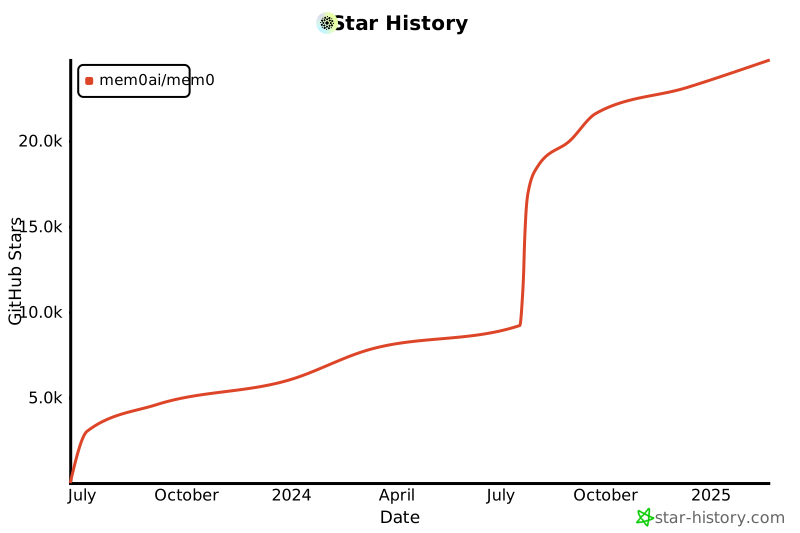](https://star-history.com/#mem0ai/mem0&Date)
|
||||
|
||||
## Support
|
||||
|
||||
Join our community for support and discussions. If you have any questions, feel free to reach out to us using one of the following methods:
|
||||
|
||||
- [Join our Discord](https://mem0.dev/DiG)
|
||||
- [Follow us on Twitter](https://x.com/mem0ai)
|
||||
- [Email founders](mailto:founders@mem0.ai)
|
||||
|
||||
## Contributors
|
||||
|
||||
Join our [Discord community](https://mem0.dev/DiG) to learn about memory management for AI agents and LLMs, and connect with Mem0 users and contributors. Share your ideas, questions, or feedback in our [GitHub Issues](https://github.com/mem0ai/mem0/issues).
|
||||
|
||||
We value and appreciate the contributions of our community. Special thanks to our contributors for helping us improve Mem0.
|
||||
|
||||
<a href="https://github.com/mem0ai/mem0/graphs/contributors">
|
||||
<img src="https://contrib.rocks/image?repo=mem0ai/mem0" />
|
||||
</a>
|
||||
|
||||
## Anonymous Telemetry
|
||||
## License
|
||||
|
||||
We collect anonymous usage metrics to enhance our package's quality and user experience. This includes data like feature usage frequency and system info, but never personal details. The data helps us prioritize improvements and ensure compatibility. If you wish to opt-out, set the environment variable `EC_TELEMETRY=false`. We prioritize data security and don't share this data externally.
|
||||
|
||||
## Citation
|
||||
|
||||
If you utilize this repository, please consider citing it with:
|
||||
|
||||
```
|
||||
@misc{embedchain,
|
||||
author = {Taranjeet Singh, Deshraj Yadav},
|
||||
title = {Embedchain: Data platform for LLMs - load, index, retrieve, and sync any unstructured data},
|
||||
year = {2023},
|
||||
publisher = {GitHub},
|
||||
journal = {GitHub repository},
|
||||
howpublished = {\url{https://github.com/embedchain/embedchain}},
|
||||
}
|
||||
```
|
||||
This project is licensed under the Apache 2.0 License - see the [LICENSE](LICENSE) file for details.
|
||||
|
||||
@@ -0,0 +1,36 @@
|
||||
# This example shows how to use vector config to use QDRANT CLOUD
|
||||
import os
|
||||
|
||||
from dotenv import load_dotenv
|
||||
|
||||
from mem0 import Memory
|
||||
|
||||
# Loading OpenAI API Key
|
||||
load_dotenv()
|
||||
OPENAI_API_KEY = os.environ.get("OPENAI_API_KEY")
|
||||
USER_ID = "test"
|
||||
quadrant_host = "xx.gcp.cloud.qdrant.io"
|
||||
|
||||
# creating the config attributes
|
||||
collection_name = "memory" # this is the collection I created in QDRANT cloud
|
||||
api_key = os.environ.get("QDRANT_API_KEY") # Getting the QDRANT api KEY
|
||||
host = quadrant_host
|
||||
port = 6333 # Default port for QDRANT cloud
|
||||
|
||||
# Creating the config dict
|
||||
config = {
|
||||
"vector_store": {
|
||||
"provider": "qdrant",
|
||||
"config": {"collection_name": collection_name, "host": host, "port": port, "path": None, "api_key": api_key},
|
||||
}
|
||||
}
|
||||
|
||||
# this is the change, create the memory class using from config
|
||||
memory = Memory().from_config(config)
|
||||
|
||||
USER_DATA = """
|
||||
I am a strong believer in memory architecture.
|
||||
"""
|
||||
|
||||
response = memory.add(USER_DATA, user_id=USER_ID)
|
||||
print(response)
|
||||
File diff suppressed because one or more lines are too long
@@ -0,0 +1,296 @@
|
||||
{
|
||||
"cells": [
|
||||
{
|
||||
"cell_type": "code",
|
||||
"execution_count": null,
|
||||
"metadata": {
|
||||
"id": "fu3euPKZsbaC"
|
||||
},
|
||||
"outputs": [],
|
||||
"source": [
|
||||
"!pip install mem0ai"
|
||||
]
|
||||
},
|
||||
{
|
||||
"cell_type": "code",
|
||||
"execution_count": null,
|
||||
"metadata": {
|
||||
"id": "U2VC_0FElQid"
|
||||
},
|
||||
"outputs": [],
|
||||
"source": [
|
||||
"import os\n",
|
||||
"from openai import OpenAI\n",
|
||||
"from mem0 import MemoryClient\n",
|
||||
"from multion.client import MultiOn\n",
|
||||
"\n",
|
||||
"# Configuration\n",
|
||||
"OPENAI_API_KEY = \"sk-xxx\" # Replace with your actual OpenAI API key\n",
|
||||
"MULTION_API_KEY = \"xx\" # Replace with your actual MultiOn API key\n",
|
||||
"MEM0_API_KEY = \"xx\" # Replace with your actual Mem0 API key\n",
|
||||
"USER_ID = \"test_travel_agent\"\n",
|
||||
"\n",
|
||||
"# Set up OpenAI API key\n",
|
||||
"os.environ[\"OPENAI_API_KEY\"] = OPENAI_API_KEY\n",
|
||||
"\n",
|
||||
"# Initialize Mem0 and MultiOn\n",
|
||||
"memory = MemoryClient(api_key=MEM0_API_KEY)\n",
|
||||
"multion = MultiOn(api_key=MULTION_API_KEY)"
|
||||
]
|
||||
},
|
||||
{
|
||||
"cell_type": "code",
|
||||
"execution_count": null,
|
||||
"metadata": {
|
||||
"id": "sq-OdPHKlQie",
|
||||
"outputId": "1d605222-0bf5-4ac9-99b9-6059b502c20b"
|
||||
},
|
||||
"outputs": [
|
||||
{
|
||||
"data": {
|
||||
"text/plain": [
|
||||
"{'message': 'Memory added successfully!'}"
|
||||
]
|
||||
},
|
||||
"execution_count": 2,
|
||||
"metadata": {},
|
||||
"output_type": "execute_result"
|
||||
}
|
||||
],
|
||||
"source": [
|
||||
"# Add conversation to Mem0\n",
|
||||
"conversation = [\n",
|
||||
" {\"role\": \"user\", \"content\": \"What are the best travel destinations in the world?\"},\n",
|
||||
" {\n",
|
||||
" \"role\": \"assistant\",\n",
|
||||
" \"content\": \"Could you please specify your interests or the type of travel information you are looking for? This will help me find the most relevant information for you.\",\n",
|
||||
" },\n",
|
||||
" {\"role\": \"user\", \"content\": \"Sure, I want to travel to San Francisco.\"},\n",
|
||||
" {\n",
|
||||
" \"role\": \"assistant\",\n",
|
||||
" \"content\": \"\"\"\n",
|
||||
" Based on the information gathered from TripAdvisor, here are some popular attractions, activities, and travel tips for San Francisco:\n",
|
||||
"\n",
|
||||
" 1. **Golden Gate Bridge**: A must-see iconic landmark.\n",
|
||||
" 2. **Alcatraz Island**: Famous former prison offering tours.\n",
|
||||
" 3. **Fisherman's Wharf**: Popular tourist area with shops, restaurants, and sea lions.\n",
|
||||
" 4. **Chinatown**: The largest Chinatown outside of Asia.\n",
|
||||
" 5. **Golden Gate Park**: Large urban park with gardens, museums, and recreational activities.\n",
|
||||
" 6. **Cable Cars**: Historic streetcars offering a unique way to see the city.\n",
|
||||
" 7. **Exploratorium**: Interactive science museum.\n",
|
||||
" 8. **San Francisco Museum of Modern Art (SFMOMA)**: Modern and contemporary art museum.\n",
|
||||
" 9. **Lombard Street**: Known for its steep, one-block section with eight hairpin turns.\n",
|
||||
" 10. **Union Square**: Major shopping and cultural hub.\n",
|
||||
"\n",
|
||||
" Travel Tips:\n",
|
||||
" - **Weather**: San Francisco has a mild climate, but it can be foggy and windy. Dress in layers.\n",
|
||||
" - **Transportation**: Use public transportation like BART, Muni, and cable cars to get around.\n",
|
||||
" - **Safety**: Be aware of your surroundings, especially in crowded tourist areas.\n",
|
||||
" - **Dining**: Try local specialties like sourdough bread, seafood, and Mission-style burritos.\n",
|
||||
" \"\"\",\n",
|
||||
" },\n",
|
||||
" {\"role\": \"user\", \"content\": \"Show me hotels around Golden Gate Bridge.\"},\n",
|
||||
" {\n",
|
||||
" \"role\": \"assistant\",\n",
|
||||
" \"content\": \"\"\"\n",
|
||||
" The search results for hotels around Golden Gate Bridge in San Francisco include:\n",
|
||||
"\n",
|
||||
" 1. Hilton Hotels In San Francisco - Hotel Near Fishermans Wharf (hilton.com)\n",
|
||||
" 2. The 10 Closest Hotels to Golden Gate Bridge (tripadvisor.com)\n",
|
||||
" 3. Hotels near Golden Gate Bridge (expedia.com)\n",
|
||||
" 4. Hotels near Golden Gate Bridge (hotels.com)\n",
|
||||
" 5. Holiday Inn Express & Suites San Francisco Fishermans Wharf, an IHG Hotel $146 (1.8K) 3-star hotel Golden Gate Bridge • 3.5 mi DEAL 19% less than usual\n",
|
||||
" 6. Holiday Inn San Francisco-Golden Gateway, an IHG Hotel $151 (3.5K) 3-star hotel Golden Gate Bridge • 3.7 mi Casual hotel with dining, a bar & a pool\n",
|
||||
" 7. Hotel Zephyr San Francisco $159 (3.8K) 4-star hotel Golden Gate Bridge • 3.7 mi Nautical-themed lodging with bay views\n",
|
||||
" 8. Lodge at the Presidio\n",
|
||||
" 9. The Inn Above Tide\n",
|
||||
" 10. Cavallo Point\n",
|
||||
" 11. Casa Madrona Hotel and Spa\n",
|
||||
" 12. Cow Hollow Inn and Suites\n",
|
||||
" 13. Samesun San Francisco\n",
|
||||
" 14. Inn on Broadway\n",
|
||||
" 15. Coventry Motor Inn\n",
|
||||
" 16. HI San Francisco Fisherman's Wharf Hostel\n",
|
||||
" 17. Loews Regency San Francisco Hotel\n",
|
||||
" 18. Fairmont Heritage Place Ghirardelli Square\n",
|
||||
" 19. Hotel Drisco Pacific Heights\n",
|
||||
" 20. Travelodge by Wyndham Presidio San Francisco\n",
|
||||
" \"\"\",\n",
|
||||
" },\n",
|
||||
"]\n",
|
||||
"\n",
|
||||
"memory.add(conversation, user_id=USER_ID)"
|
||||
]
|
||||
},
|
||||
{
|
||||
"cell_type": "code",
|
||||
"execution_count": null,
|
||||
"metadata": {
|
||||
"id": "hO8z9aNTlQif"
|
||||
},
|
||||
"outputs": [],
|
||||
"source": [
|
||||
"def get_travel_info(question, use_memory=True):\n",
|
||||
" \"\"\"\n",
|
||||
" Get travel information based on user's question and optionally their preferences from memory.\n",
|
||||
"\n",
|
||||
" \"\"\"\n",
|
||||
" if use_memory:\n",
|
||||
" previous_memories = memory.search(question, user_id=USER_ID)\n",
|
||||
" relevant_memories_text = \"\"\n",
|
||||
" if previous_memories:\n",
|
||||
" print(\"Using previous memories to enhance the search...\")\n",
|
||||
" relevant_memories_text = \"\\n\".join(mem[\"memory\"] for mem in previous_memories)\n",
|
||||
"\n",
|
||||
" command = \"Find travel information based on my interests:\"\n",
|
||||
" prompt = f\"{command}\\n Question: {question} \\n My preferences: {relevant_memories_text}\"\n",
|
||||
" else:\n",
|
||||
" command = \"Find travel information based on my interests:\"\n",
|
||||
" prompt = f\"{command}\\n Question: {question}\"\n",
|
||||
"\n",
|
||||
" print(\"Searching for travel information...\")\n",
|
||||
" browse_result = multion.browse(cmd=prompt)\n",
|
||||
" return browse_result.message"
|
||||
]
|
||||
},
|
||||
{
|
||||
"cell_type": "markdown",
|
||||
"metadata": {
|
||||
"id": "Wp2xpzMrlQig"
|
||||
},
|
||||
"source": [
|
||||
"## Example 1"
|
||||
]
|
||||
},
|
||||
{
|
||||
"cell_type": "code",
|
||||
"execution_count": null,
|
||||
"metadata": {
|
||||
"id": "bPRPwqsplQig"
|
||||
},
|
||||
"outputs": [],
|
||||
"source": [
|
||||
"question = \"Show me flight details for it.\"\n",
|
||||
"answer_without_memory = get_travel_info(question, use_memory=False)\n",
|
||||
"answer_with_memory = get_travel_info(question, use_memory=True)"
|
||||
]
|
||||
},
|
||||
{
|
||||
"cell_type": "markdown",
|
||||
"metadata": {
|
||||
"id": "a76ifa2HlQig"
|
||||
},
|
||||
"source": [
|
||||
"| Without Memory | With Memory |\n",
|
||||
"|--------------------------------------------------------------------------------------------------------------------------------------------------------------------------------------------------------------------------------------------|--------------------------------------------------------------------------------------------------------------------------------------------------------------------------------------------------------------------------------------------------------------------------------------|\n",
|
||||
"| I have performed a Google search for \"flight details\" and reviewed the search results. Here are some relevant links and information: | Memorizing the following information: Flight details for San Francisco: |\n",
|
||||
"| 1. **FlightStats Global Flight Tracker** - Track the real-time flight status of your flight. See if your flight has been delayed or cancelled and track the live status. <br> [Flight Tracker - FlightStats](https://www.flightstats.com/flight-tracker/search) | 1. Prices from $232. Depart Thursday, August 22. Return Thursday, August 29. <br> 2. Prices from $216. Depart Friday, August 23. Return Friday, August 30. <br> 3. Prices from $236. Depart Saturday, August 24. Return Saturday, August 31. <br> 4. Prices from $215. Depart Sunday, August 25. Return Sunday, September 1. |\n",
|
||||
"| 2. **FlightAware - Flight Tracker** - Track live flights worldwide, see flight cancellations, and browse by airport. <br> [FlightAware - Flight Tracker](https://www.flightaware.com) | 5. Prices from $218. Depart Monday, August 26. Return Monday, September 2. <br> 6. Prices from $211. Depart Tuesday, August 27. Return Tuesday, September 3. <br> 7. Prices from $198. Depart Wednesday, August 28. Return Wednesday, September 4. <br> 8. Prices from $218. Depart Thursday, August 29. Return Thursday, September 5. |\n",
|
||||
"| 3. **Google Flights** - Show flights based on your search. <br> [Google Flights](https://www.google.com/flights) | 9. Prices from $194. Depart Friday, August 30. Return Friday, September 6. <br> 10. Prices from $218. Depart Saturday, August 31. Return Saturday, September 7. <br> 11. Prices from $212. Depart Sunday, September 1. Return Sunday, September 8. <br> 12. Prices from $247. Depart Monday, September 2. Return Monday, September 9. |\n",
|
||||
"| | 13. Prices from $212. Depart Tuesday, September 3. Return Tuesday, September 10. <br> 14. Prices from $203. Depart Wednesday, September 4. Return Wednesday, September 11. <br> 15. Prices from $242. Depart Thursday, September 5. Return Thursday, September 12. <br> 16. Prices from $191. Depart Friday, September 6. Return Friday, September 13. |\n",
|
||||
"| | 17. Prices from $215. Depart Saturday, September 7. Return Saturday, September 14. <br> 18. Prices from $229. Depart Sunday, September 8. Return Sunday, September 15. <br> 19. Prices from $183. Depart Monday, September 9. Return Monday, September 16. <br> 65. Prices from $194. Depart Friday, October 25. Return Friday, November 1. |\n",
|
||||
"| | 66. Prices from $205. Depart Saturday, October 26. Return Saturday, November 2. <br> 67. Prices from $241. Depart Sunday, October 27. Return Sunday, November 3. |\n"
|
||||
]
|
||||
},
|
||||
{
|
||||
"cell_type": "markdown",
|
||||
"metadata": {
|
||||
"id": "0cXpiAwMlQig"
|
||||
},
|
||||
"source": [
|
||||
"## Example 2"
|
||||
]
|
||||
},
|
||||
{
|
||||
"cell_type": "code",
|
||||
"execution_count": null,
|
||||
"metadata": {
|
||||
"id": "LpprKfpslQih"
|
||||
},
|
||||
"outputs": [],
|
||||
"source": [
|
||||
"question = \"What places to visit there?\"\n",
|
||||
"answer_without_memory = get_travel_info(question, use_memory=False)\n",
|
||||
"answer_with_memory = get_travel_info(question, use_memory=True)"
|
||||
]
|
||||
},
|
||||
{
|
||||
"cell_type": "markdown",
|
||||
"metadata": {
|
||||
"id": "kpfjeY1_lQih"
|
||||
},
|
||||
"source": [
|
||||
"| Without Memory | With Memory |\n",
|
||||
"|---------------------------------------------------------------------------------------------------------------------------------------------------------------------------------------------------------------------------------------------|--------------------------------------------------------------------------------------------------------------------------------------------------------------------------------------------------------------------------------------------------------------------------------------------------------|\n",
|
||||
"| Based on the information gathered, here are some top travel destinations to consider visiting: | Based on the information gathered, here are some top places to visit in San Francisco: |\n",
|
||||
"| 1. **Paris**: Known for its iconic attractions like the Eiffel Tower and the Louvre, Paris offers quaint cafes, trendy shopping districts, and beautiful Haussmann architecture. It's a city where you can always discover something new with each visit. | 1. **Golden Gate Bridge** - An iconic symbol of San Francisco, perfect for walking, biking, or simply enjoying the view. <br> 2. **Alcatraz Island** - The historic former prison offers tours and insights into its storied past. <br> 3. **Fisherman's Wharf** - A bustling waterfront area known for its seafood, shopping, and attractions like Pier 39. <br> 4. **Golden Gate Park** - A large urban park with gardens, museums, and recreational activities. <br> 5. **Chinatown San Francisco** - One of the oldest and most famous Chinatowns in North America, offering unique shops and delicious food. <br> 6. **Coit Tower** - Offers panoramic views of the city and murals depicting San Francisco's history. <br> 7. **Lands End** - A beautiful coastal trail with stunning views of the Pacific Ocean and the Golden Gate Bridge. <br> 8. **Palace of Fine Arts** - A picturesque structure and park, perfect for a leisurely stroll or photo opportunities. <br> 9. **Crissy Field & The Presidio Tunnel Tops** - Great for outdoor activities and scenic views of the bay. |\n",
|
||||
"| 2. **Bora Bora**: This small island in French Polynesia is famous for its stunning turquoise waters, luxurious overwater bungalows, and vibrant coral reefs. It's a popular destination for honeymooners and those seeking a tropical paradise. | |\n",
|
||||
"| 3. **Glacier National Park**: Located in Montana, USA, this park is known for its breathtaking landscapes, including rugged mountains, pristine lakes, and diverse wildlife. It's a haven for outdoor enthusiasts and hikers. | |\n",
|
||||
"| 4. **Rome**: The capital of Italy, Rome is rich in history and culture, featuring landmarks such as the Colosseum, the Vatican, and the Pantheon. It's a city where ancient history meets modern life. | |\n",
|
||||
"| 5. **Swiss Alps**: Renowned for their stunning natural beauty, the Swiss Alps offer opportunities for skiing, hiking, and enjoying picturesque mountain villages. | |\n",
|
||||
"| 6. **Maui**: One of Hawaii's most popular islands, Maui is known for its beautiful beaches, lush rainforests, and the scenic Hana Highway. It's a great destination for both relaxation and adventure. | |\n",
|
||||
"| 7. **London, England**: A vibrant city with a mix of historical landmarks like the Tower of London and modern attractions such as the London Eye. London offers diverse cultural experiences, world-class museums, and a bustling nightlife. | |\n",
|
||||
"| 8. **Maldives**: This tropical paradise in the Indian Ocean is famous for its crystal-clear waters, luxurious resorts, and abundant marine life. It's an ideal destination for snorkeling, diving, and relaxation. | |\n",
|
||||
"| 9. **Turks & Caicos**: Known for its pristine beaches and turquoise waters, this Caribbean destination is perfect for water sports, beach lounging, and exploring coral reefs. | |\n",
|
||||
"| 10. **Tokyo**: Japan's bustling capital offers a unique blend of traditional and modern attractions, from ancient temples to futuristic skyscrapers. Tokyo is also known for its vibrant food scene and shopping districts. | |\n"
|
||||
]
|
||||
},
|
||||
{
|
||||
"cell_type": "markdown",
|
||||
"metadata": {
|
||||
"id": "XdpkcMrclQih"
|
||||
},
|
||||
"source": [
|
||||
"## Example 3"
|
||||
]
|
||||
},
|
||||
{
|
||||
"cell_type": "code",
|
||||
"execution_count": null,
|
||||
"metadata": {
|
||||
"id": "Nntl2FxulQih"
|
||||
},
|
||||
"outputs": [],
|
||||
"source": [
|
||||
"question = \"What the weather there?\"\n",
|
||||
"answer_without_memory = get_travel_info(question, use_memory=False)\n",
|
||||
"answer_with_memory = get_travel_info(question, use_memory=True)"
|
||||
]
|
||||
},
|
||||
{
|
||||
"cell_type": "markdown",
|
||||
"metadata": {
|
||||
"id": "yt2pj1irlQih"
|
||||
},
|
||||
"source": [
|
||||
"| Without Memory | With Memory |\n",
|
||||
"|---------------------------------------------------------------------------------------------------------------------------------------------------------------------------------------------------------------------------------------------|--------------------------------------------------------------------------------------------------------------------------------------------------------------------------------------------------------------------------------------------------------------------------------------------------------|\n",
|
||||
"| The current weather in Paris is light rain with a temperature of 67°F. The precipitation is at 50%, humidity is 95%, and the wind speed is 5 mph. | The current weather in San Francisco is as follows: <br> - **Temperature**: 59°F <br> - **Condition**: Clear with periodic clouds <br> - **Precipitation**: 3% <br> - **Humidity**: 87% <br> - **Wind**: 12 mph |\n"
|
||||
]
|
||||
}
|
||||
],
|
||||
"metadata": {
|
||||
"colab": {
|
||||
"provenance": []
|
||||
},
|
||||
"kernelspec": {
|
||||
"display_name": ".venv",
|
||||
"language": "python",
|
||||
"name": "python3"
|
||||
},
|
||||
"language_info": {
|
||||
"codemirror_mode": {
|
||||
"name": "ipython",
|
||||
"version": 3
|
||||
},
|
||||
"file_extension": ".py",
|
||||
"mimetype": "text/x-python",
|
||||
"name": "python",
|
||||
"nbconvert_exporter": "python",
|
||||
"pygments_lexer": "ipython3",
|
||||
"version": "3.12.3"
|
||||
}
|
||||
},
|
||||
"nbformat": 4,
|
||||
"nbformat_minor": 0
|
||||
}
|
||||
+11
-4
@@ -1,7 +1,14 @@
|
||||
# Contributing to embedchain docs
|
||||
# Mintlify Starter Kit
|
||||
|
||||
Click on `Use this template` to copy the Mintlify starter kit. The starter kit contains examples including
|
||||
|
||||
### 👩💻 Development
|
||||
- Guide pages
|
||||
- Navigation
|
||||
- Customizations
|
||||
- API Reference pages
|
||||
- Use of popular components
|
||||
|
||||
### Development
|
||||
|
||||
Install the [Mintlify CLI](https://www.npmjs.com/package/mintlify) to preview the documentation changes locally. To install, use the following command
|
||||
|
||||
@@ -15,9 +22,9 @@ Run the following command at the root of your documentation (where mint.json is)
|
||||
mintlify dev
|
||||
```
|
||||
|
||||
### 😎 Publishing Changes
|
||||
### Publishing Changes
|
||||
|
||||
Changes will be deployed to production automatically after your PR is merged to the main branch.
|
||||
Install our Github App to auto propagate changes from your repo to your deployment. Changes will be deployed to production automatically after pushing to the default branch. Find the link to install on your dashboard.
|
||||
|
||||
#### Troubleshooting
|
||||
|
||||
|
||||
@@ -1,11 +1,11 @@
|
||||
<CardGroup cols={3}>
|
||||
<Card title="Talk to founders" icon="calendar" href="https://cal.com/taranjeetio/ec">
|
||||
Schedule a call
|
||||
<Card title="Discord" icon="discord" href="https://mem0.dev/DiD" color="#7289DA">
|
||||
Join our community
|
||||
</Card>
|
||||
<Card title="Slack" icon="slack" href="https://join.slack.com/t/embedchain/shared_invite/zt-22uwz3c46-Zg7cIh5rOBteT_xe1jwLDw" color="#4A154B">
|
||||
Join our slack community
|
||||
<Card title="GitHub" icon="github" href="https://github.com/mem0ai/mem0/discussions/new?category=q-a">
|
||||
Ask questions on GitHub
|
||||
</Card>
|
||||
<Card title="Discord" icon="discord" href="https://discord.gg/6PzXDgEjG5" color="#7289DA">
|
||||
Join our discord community
|
||||
<Card title="Support" icon="calendar" href="https://cal.com/taranjeetio/meet">
|
||||
Talk to founders
|
||||
</Card>
|
||||
</CardGroup>
|
||||
|
||||
@@ -0,0 +1,4 @@
|
||||
---
|
||||
title: 'Delete User'
|
||||
openapi: delete /v1/entities/{entity_type}/{entity_id}/
|
||||
---
|
||||
@@ -0,0 +1,4 @@
|
||||
---
|
||||
title: 'Get Users'
|
||||
openapi: get /v1/entities/
|
||||
---
|
||||
@@ -0,0 +1,4 @@
|
||||
---
|
||||
title: 'Add Memories'
|
||||
openapi: post /v1/memories/
|
||||
---
|
||||
@@ -0,0 +1,4 @@
|
||||
---
|
||||
title: 'Delete Memories'
|
||||
openapi: delete /v1/memories/
|
||||
---
|
||||
@@ -0,0 +1,4 @@
|
||||
---
|
||||
title: 'Delete Memory'
|
||||
openapi: delete /v1/memories/{memory_id}/
|
||||
---
|
||||
@@ -0,0 +1,4 @@
|
||||
---
|
||||
title: 'Get Memories'
|
||||
openapi: get /v1/memories/
|
||||
---
|
||||
@@ -0,0 +1,4 @@
|
||||
---
|
||||
title: 'Get Memory'
|
||||
openapi: get /v1/memories/{memory_id}/
|
||||
---
|
||||
@@ -0,0 +1,4 @@
|
||||
---
|
||||
title: 'Memory History'
|
||||
openapi: get /v1/memories/{memory_id}/history/
|
||||
---
|
||||
@@ -0,0 +1,4 @@
|
||||
---
|
||||
title: 'Update Memory'
|
||||
openapi: put /v1/memories/{memory_id}/
|
||||
---
|
||||
@@ -0,0 +1,4 @@
|
||||
---
|
||||
title: 'V1 Search Memories'
|
||||
openapi: post /v1/memories/search/
|
||||
---
|
||||
@@ -0,0 +1,84 @@
|
||||
---
|
||||
title: 'V2 Search Memories'
|
||||
openapi: post /v2/memories/search/
|
||||
---
|
||||
|
||||
Mem0 offers two versions of the search API: v1 and v2. Here's how they differ:
|
||||
|
||||
<Tabs>
|
||||
<Tab title="v1 Search">
|
||||
<CodeGroup>
|
||||
```python Code
|
||||
related_memories = m.search(query="What are Alice's hobbies?", user_id="alice")
|
||||
```
|
||||
|
||||
```json Output
|
||||
[
|
||||
{
|
||||
"id":"ea925981-272f-40dd-b576-be64e4871429",
|
||||
"memory":"Likes to play cricket and plays cricket on weekends.",
|
||||
"hash":"c8809002-25c1-4c97-a3a2-227ce9c20c53",
|
||||
"metadata":{
|
||||
"category":"hobbies"
|
||||
},
|
||||
"score":0.32116443111457704,
|
||||
"created_at":"2024-07-26T10:29:36.630547-07:00",
|
||||
"updated_at":"None",
|
||||
"user_id":"alice"
|
||||
}
|
||||
]
|
||||
```
|
||||
</CodeGroup>
|
||||
</Tab>
|
||||
|
||||
<Tab title="v2 Search">
|
||||
<CodeGroup>
|
||||
```python Code
|
||||
related_memories = m.v2_search(
|
||||
query="What are Alice's hobbies?",
|
||||
filters={
|
||||
"AND":[
|
||||
{
|
||||
"user_id":"alice"
|
||||
},
|
||||
{
|
||||
"agent_id":{
|
||||
"in":[
|
||||
"travelling",
|
||||
"sports"
|
||||
]
|
||||
}
|
||||
}
|
||||
]
|
||||
}
|
||||
)
|
||||
```
|
||||
|
||||
```json Output
|
||||
{
|
||||
"memories": [
|
||||
{
|
||||
"id": "ea925981-272f-40dd-b576-be64e4871429",
|
||||
"memory": "Likes to play cricket and plays cricket on weekends.",
|
||||
"hash": "c8809002-25c1-4c97-a3a2-227ce9c20c53",
|
||||
"metadata": {
|
||||
"category": "hobbies"
|
||||
},
|
||||
"score": 0.32116443111457704,
|
||||
"created_at": "2024-07-26T10:29:36.630547-07:00",
|
||||
"updated_at": null,
|
||||
"user_id": "alice",
|
||||
"agent_id": "sports"
|
||||
}
|
||||
],
|
||||
}
|
||||
```
|
||||
</CodeGroup>
|
||||
</Tab>
|
||||
</Tabs>
|
||||
|
||||
Key difference between v1 and v2 search:
|
||||
|
||||
• **Filters**: v2 allows you to apply filters to narrow down search results based on specific criteria. This includes support for complex logical operations (AND, OR) and comparison operators (IN, gte, lte, gt, lt, ne, icontains) for advanced filtering capabilities.
|
||||
|
||||
The v2 search API is more powerful and flexible, allowing for more precise memory retrieval.
|
||||
@@ -0,0 +1,4 @@
|
||||
---
|
||||
title: 'Add Member'
|
||||
openapi: post /api/v1/orgs/organizations/{org_id}/members/
|
||||
---
|
||||
@@ -0,0 +1,4 @@
|
||||
---
|
||||
title: 'Create Organization'
|
||||
openapi: post /api/v1/orgs/organizations/
|
||||
---
|
||||
@@ -0,0 +1,4 @@
|
||||
---
|
||||
title: 'Delete Member'
|
||||
openapi: delete /api/v1/orgs/organizations/{org_id}/members/
|
||||
---
|
||||
@@ -0,0 +1,4 @@
|
||||
---
|
||||
title: 'Delete Organization'
|
||||
openapi: delete /api/v1/orgs/organizations/{org_id}/
|
||||
---
|
||||
@@ -0,0 +1,4 @@
|
||||
---
|
||||
title: 'Get Members'
|
||||
openapi: get /api/v1/orgs/organizations/{org_id}/members/
|
||||
---
|
||||
@@ -0,0 +1,4 @@
|
||||
---
|
||||
title: 'Get Organization'
|
||||
openapi: get /api/v1/orgs/organizations/{org_id}/
|
||||
---
|
||||
@@ -0,0 +1,4 @@
|
||||
---
|
||||
title: 'Get Organizations'
|
||||
openapi: get /api/v1/orgs/organizations/
|
||||
---
|
||||
@@ -0,0 +1,4 @@
|
||||
---
|
||||
title: 'Update Member'
|
||||
openapi: put /api/v1/orgs/organizations/{org_id}/members/
|
||||
---
|
||||
@@ -0,0 +1,60 @@
|
||||
# Mem0 API Overview
|
||||
|
||||
Mem0 provides a powerful set of APIs that allow you to integrate advanced memory management capabilities into your applications. Our APIs are designed to be intuitive, efficient, and scalable, enabling you to create, retrieve, update, and delete memories across various entities such as users, agents, apps, and runs.
|
||||
|
||||
## Key Features
|
||||
|
||||
- **Memory Management**: Add, retrieve, update, and delete memories with ease.
|
||||
- **Entity-based Operations**: Perform operations on memories associated with specific users, agents, apps, or runs.
|
||||
- **Advanced Search**: Utilize our search API to find relevant memories based on various criteria.
|
||||
- **History Tracking**: Access the history of memory interactions for comprehensive analysis.
|
||||
- **User Management**: Manage user entities and their associated memories.
|
||||
|
||||
## API Structure
|
||||
|
||||
Our API is organized into several main categories:
|
||||
|
||||
1. **Memory APIs**: Core operations for managing individual memories and collections.
|
||||
2. **Entities APIs**: Manage different entity types (users, agents, etc.) and their associated memories.
|
||||
3. **Search API**: Advanced search functionality to retrieve relevant memories.
|
||||
4. **History API**: Track and retrieve the history of memory interactions.
|
||||
|
||||
## Authentication
|
||||
|
||||
All API requests require authentication using HTTP Basic Auth. Ensure you include your API key in the Authorization header of each request.
|
||||
|
||||
## Organizations and projects (optional)
|
||||
|
||||
For users who belong to multiple organizations or are working on multiple projects, you can specify the organization and project for an API request. This is done by initializing the Mem0 client with the appropriate parameters. Usage from these API requests will be attributed to the specified organization and project.
|
||||
|
||||
Example with the mem0 Python package:
|
||||
|
||||
```python
|
||||
from mem0 import MemoryClient
|
||||
|
||||
client = MemoryClient(
|
||||
organization='YOUR_ORG_NAME',
|
||||
project='YOUR_PROJECT_NAME',
|
||||
)
|
||||
```
|
||||
|
||||
Example with the mem0 Node.js package:
|
||||
|
||||
```javascript
|
||||
import { MemoryClient } from "mem0ai";
|
||||
|
||||
const client = new MemoryClient({
|
||||
organization: "YOUR_ORG_NAME",
|
||||
project: "YOUR_PROJECT_NAME"
|
||||
});
|
||||
```
|
||||
|
||||
## Getting Started
|
||||
|
||||
To begin using the Mem0 API, you'll need to:
|
||||
|
||||
1. Sign up for a [Mem0 account](https://app.mem0.ai) and obtain your API key.
|
||||
2. Familiarize yourself with the API endpoints and their functionalities.
|
||||
3. Make your first API call to add or retrieve a memory.
|
||||
|
||||
Explore the detailed documentation for each API endpoint to learn more about request/response formats, parameters, and example usage.
|
||||
|
||||
@@ -1,97 +0,0 @@
|
||||
---
|
||||
title: '💬 chat'
|
||||
---
|
||||
|
||||
`chat()` method allows you to chat over your data sources using a user-friendly chat API. You can find the signature below:
|
||||
|
||||
### Parameters
|
||||
|
||||
<ParamField path="input_query" type="str">
|
||||
Question to ask
|
||||
</ParamField>
|
||||
<ParamField path="config" type="BaseLlmConfig" optional>
|
||||
Configure different llm settings such as prompt, temprature, number_documents etc.
|
||||
</ParamField>
|
||||
<ParamField path="dry_run" type="bool" optional>
|
||||
The purpose is to test the prompt structure without actually running LLM inference. Defaults to `False`
|
||||
</ParamField>
|
||||
<ParamField path="where" type="dict" optional>
|
||||
A dictionary of key-value pairs to filter the chunks from the vector database. Defaults to `None`
|
||||
</ParamField>
|
||||
<ParamField path="citations" type="bool" optional>
|
||||
Return citations along with the LLM answer. Defaults to `False`
|
||||
</ParamField>
|
||||
|
||||
### Returns
|
||||
|
||||
<ResponseField name="answer" type="str | tuple">
|
||||
If `citations=False`, return a stringified answer to the question asked. <br />
|
||||
If `citations=True`, returns a tuple with answer and citations respectively.
|
||||
</ResponseField>
|
||||
|
||||
## Usage
|
||||
|
||||
### With citations
|
||||
|
||||
If you want to get the answer to question and return both answer and citations, use the following code snippet:
|
||||
|
||||
```python With Citations
|
||||
from embedchain import Pipeline as App
|
||||
|
||||
# Initialize app
|
||||
app = App()
|
||||
|
||||
# Add data source
|
||||
app.add("https://www.forbes.com/profile/elon-musk")
|
||||
|
||||
# Get relevant answer for your query
|
||||
answer, sources = app.chat("What is the net worth of Elon?", citations=True)
|
||||
print(answer)
|
||||
# Answer: The net worth of Elon Musk is $221.9 billion.
|
||||
|
||||
print(sources)
|
||||
# [
|
||||
# (
|
||||
# 'Elon Musk PROFILEElon MuskCEO, Tesla$247.1B$2.3B (0.96%)Real Time Net Worthas of 12/7/23 ...',
|
||||
# 'https://www.forbes.com/profile/elon-musk',
|
||||
# '4651b266--4aa78839fe97'
|
||||
# ),
|
||||
# (
|
||||
# '74% of the company, which is now called X.Wealth HistoryHOVER TO REVEAL NET WORTH BY YEARForbes ...',
|
||||
# 'https://www.forbes.com/profile/elon-musk',
|
||||
# '4651b266--4aa78839fe97'
|
||||
# ),
|
||||
# (
|
||||
# 'founded in 2002, is worth nearly $150 billion after a $750 million tender offer in June 2023 ...',
|
||||
# 'https://www.forbes.com/profile/elon-musk',
|
||||
# '4651b266--4aa78839fe97'
|
||||
# )
|
||||
# ]
|
||||
```
|
||||
|
||||
<Note>
|
||||
When `citations=True`, note that the returned `sources` are a list of tuples where each tuple has three elements (in the following order):
|
||||
1. source chunk
|
||||
2. link of the source document
|
||||
3. document id (used for book keeping purposes)
|
||||
</Note>
|
||||
|
||||
|
||||
### Without citations
|
||||
|
||||
If you just want to return answers and don't want to return citations, you can use the following example:
|
||||
|
||||
```python Without Citations
|
||||
from embedchain import Pipeline as App
|
||||
|
||||
# Initialize app
|
||||
app = App()
|
||||
|
||||
# Add data source
|
||||
app.add("https://www.forbes.com/profile/elon-musk")
|
||||
|
||||
# Chat on your data using `.chat()`
|
||||
answer = app.chat("What is the net worth of Elon?")
|
||||
print(answer)
|
||||
# Answer: The net worth of Elon Musk is $221.9 billion.
|
||||
```
|
||||
@@ -1,19 +0,0 @@
|
||||
---
|
||||
title: 🗑 delete
|
||||
---
|
||||
|
||||
`delete_chat_history()` method allows you to delete all previous messages in a chat history.
|
||||
|
||||
## Usage
|
||||
|
||||
```python
|
||||
from embedchain import Pipeline as App
|
||||
|
||||
app = App()
|
||||
|
||||
app.add("https://www.forbes.com/profile/elon-musk")
|
||||
|
||||
app.chat("What is the net worth of Elon Musk?")
|
||||
|
||||
app.delete_chat_history()
|
||||
```
|
||||
@@ -1,31 +0,0 @@
|
||||
---
|
||||
title: 🚀 deploy
|
||||
---
|
||||
|
||||
Using the `deploy()` method, Embedchain allows developers to easily launch their LLM-powered applications on the [Embedchain Platform](https://app.embedchain.ai). This platform facilitates seamless access to your data's context via a free and user-friendly REST API. Once your pipeline is deployed, you can update your data sources at any time.
|
||||
|
||||
The `deploy()` method not only deploys your pipeline but also efficiently manages LLMs, vector databases, embedding models, and data syncing, enabling you to focus on querying, chatting, or searching without the hassle of infrastructure management.
|
||||
|
||||
## Usage
|
||||
|
||||
```python
|
||||
from embedchain import Pipeline as App
|
||||
|
||||
# Initialize app
|
||||
app = App()
|
||||
|
||||
# Add data source
|
||||
app.add("https://www.forbes.com/profile/elon-musk")
|
||||
|
||||
# Deploy your pipeline to Embedchain Platform
|
||||
app.deploy()
|
||||
|
||||
# 🔑 Enter your Embedchain API key. You can find the API key at https://app.embedchain.ai/settings/keys/
|
||||
# ec-xxxxxx
|
||||
|
||||
# 🛠️ Creating pipeline on the platform...
|
||||
# 🎉🎉🎉 Pipeline created successfully! View your pipeline: https://app.embedchain.ai/pipelines/xxxxx
|
||||
|
||||
# 🛠️ Adding data to your pipeline...
|
||||
# ✅ Data of type: web_page, value: https://www.forbes.com/profile/elon-musk added successfully.
|
||||
```
|
||||
@@ -1,51 +0,0 @@
|
||||
---
|
||||
title: '🔍 search'
|
||||
---
|
||||
|
||||
`.search()` enables you to uncover the most pertinent context by performing a semantic search across your data sources based on a given query. Refer to the function signature below:
|
||||
|
||||
### Parameters
|
||||
|
||||
<ParamField path="query" type="str">
|
||||
Question
|
||||
</ParamField>
|
||||
<ParamField path="num_documents" type="int" optional>
|
||||
Number of relevant documents to fetch. Defaults to `3`
|
||||
</ParamField>
|
||||
|
||||
### Returns
|
||||
|
||||
<ResponseField name="answer" type="dict">
|
||||
Return list of dictionaries that contain the relevant chunk and their source information.
|
||||
</ResponseField>
|
||||
|
||||
## Usage
|
||||
|
||||
Refer to the following example on how to use the search api:
|
||||
|
||||
```python Code example
|
||||
from embedchain import Pipeline as App
|
||||
|
||||
# Initialize app
|
||||
app = App()
|
||||
|
||||
# Add data source
|
||||
app.add("https://www.forbes.com/profile/elon-musk")
|
||||
|
||||
# Get relevant context using semantic search
|
||||
context = app.search("What is the net worth of Elon?", num_documents=2)
|
||||
print(context)
|
||||
# Context:
|
||||
# [
|
||||
# {
|
||||
# 'context': 'Elon Musk PROFILEElon MuskCEO, Tesla$221.9BReal Time Net Worthas of 10/29/23Reflects change since 5 pm ET of prior trading day. 1 in the world todayPhoto by Martin Schoeller for ForbesAbout Elon MuskElon Musk cofounded six companies, including electric car maker Tesla, rocket producer SpaceX and tunneling startup Boring Company.He owns about 21% of Tesla between stock and options, but has pledged more than half his shares as collateral for personal loans of up to $3.5 billion.SpaceX, founded in',
|
||||
# 'source': 'https://www.forbes.com/profile/elon-musk',
|
||||
# 'document_id': 'some_document_id'
|
||||
# },
|
||||
# {
|
||||
# 'context': 'company, which is now called X.Wealth HistoryHOVER TO REVEAL NET WORTH BY YEARForbes Lists 1Forbes 400 (2023)The Richest Person In Every State (2023) 2Billionaires (2023) 1Innovative Leaders (2019) 25Powerful People (2018) 12Richest In Tech (2017)Global Game Changers (2016)More ListsPersonal StatsAge52Source of WealthTesla, SpaceX, Self MadeSelf-Made Score8Philanthropy Score1ResidenceAustin, TexasCitizenshipUnited StatesMarital StatusSingleChildren11EducationBachelor of Arts/Science, University',
|
||||
# 'source': 'https://www.forbes.com/profile/elon-musk',
|
||||
# 'document_id': 'some_document_id'
|
||||
# }
|
||||
# ]
|
||||
```
|
||||
@@ -0,0 +1,4 @@
|
||||
---
|
||||
title: 'Add Member'
|
||||
openapi: post /api/v1/orgs/organizations/{org_id}/projects/{project_id}/members/
|
||||
---
|
||||
@@ -0,0 +1,4 @@
|
||||
---
|
||||
title: 'Create Project'
|
||||
openapi: post /api/v1/orgs/organizations/{org_id}/projects/
|
||||
---
|
||||
@@ -0,0 +1,4 @@
|
||||
---
|
||||
title: 'Delete Member'
|
||||
openapi: delete /api/v1/orgs/organizations/{org_id}/projects/{project_id}/members/
|
||||
---
|
||||
@@ -0,0 +1,4 @@
|
||||
---
|
||||
title: 'Delete Project'
|
||||
openapi: delete /api/v1/orgs/organizations/{org_id}/projects/{project_id}/
|
||||
---
|
||||
@@ -0,0 +1,4 @@
|
||||
---
|
||||
title: 'Get Members'
|
||||
openapi: get /api/v1/orgs/organizations/{org_id}/projects/{project_id}/members/
|
||||
---
|
||||
@@ -0,0 +1,4 @@
|
||||
---
|
||||
title: 'Get Project'
|
||||
openapi: get /api/v1/orgs/organizations/{org_id}/projects/{project_id}/
|
||||
---
|
||||
@@ -0,0 +1,4 @@
|
||||
---
|
||||
title: 'Get Projects'
|
||||
openapi: get /api/v1/orgs/organizations/{org_id}/projects/
|
||||
---
|
||||
@@ -0,0 +1,4 @@
|
||||
---
|
||||
title: 'Update Member'
|
||||
openapi: put /api/v1/orgs/organizations/{org_id}/projects/{project_id}/members/
|
||||
---
|
||||
@@ -1,19 +0,0 @@
|
||||
---
|
||||
title: '📊 CSV'
|
||||
---
|
||||
|
||||
To add any csv file, use the data_type as `csv`. `csv` allows remote urls and conventional file paths. Headers are included for each line, so if you have an `age` column, `18` will be added as `age: 18`. Eg:
|
||||
|
||||
```python
|
||||
from embedchain import Pipeline as App
|
||||
|
||||
app = App()
|
||||
app.add('https://people.sc.fsu.edu/~jburkardt/data/csv/airtravel.csv', data_type="csv")
|
||||
# Or add using the local file path
|
||||
# app.add('/path/to/file.csv', data_type="csv")
|
||||
|
||||
app.query("Summarize the air travel data")
|
||||
# Answer: The air travel data shows the number of flights for the months of July in the years 1958, 1959, and 1960. In July 1958, there were 491 flights, in July 1959 there were 548 flights, and in July 1960 there were 622 flights.
|
||||
```
|
||||
|
||||
Note: There is a size limit allowed for csv file beyond which it can throw error. This limit is set by the LLMs. Please consider chunking large csv files into smaller csv files.
|
||||
@@ -1,37 +0,0 @@
|
||||
---
|
||||
title: Overview
|
||||
---
|
||||
|
||||
Embedchain comes with built-in support for various data sources. We handle the complexity of loading unstructured data from these data sources, allowing you to easily customize your app through a user-friendly interface.
|
||||
|
||||
<CardGroup cols={4}>
|
||||
<Card title="📰 PDF file" href="/components/data-sources/pdf-file"></Card>
|
||||
<Card title="📊 CSV file" href="/components/data-sources/csv"></Card>
|
||||
<Card title="📃 JSON file" href="/components/data-sources/json"></Card>
|
||||
<Card title="📺 Youtube" href="/components/data-sources/youtube-video"></Card>
|
||||
<Card title="📝 Text" href="/components/data-sources/text"></Card>
|
||||
<Card title="📚 Documentation website" href="/components/data-sources/docs-site"></Card>
|
||||
<Card title="📄 DOCX file" href="/components/data-sources/docx"></Card>
|
||||
<Card title="📝 MDX file" href="/components/data-sources/mdx"></Card>
|
||||
<Card title="📓 Notion" href="/components/data-sources/notion"></Card>
|
||||
<Card title="❓💬 Q&A pair" href="/components/data-sources/qna"></Card>
|
||||
<Card title="🗺️ Sitemap" href="/components/data-sources/sitemap"></Card>
|
||||
<Card title="🌐 Web page" href="/components/data-sources/web-page"></Card>
|
||||
<Card title="🧾 XML file" href="/components/data-sources/xml"></Card>
|
||||
<Card title="🙌 OpenAPI" href="/components/data-sources/openapi"></Card>
|
||||
<Card title="📬 Gmail" href="/components/data-sources/gmail"></Card>
|
||||
<Card title="🐘 Postgres" href="/components/data-sources/postgres"></Card>
|
||||
<Card title="🐬 MySQL" href="/components/data-sources/mysql"></Card>
|
||||
<Card title="🤖 Slack" href="/components/data-sources/slack"></Card>
|
||||
<Card title="🗨️ Discourse" href="/components/data-sources/discourse"></Card>
|
||||
<Card title="💬 Discord" href="/components/data-sources/discord"></Card>
|
||||
<Card title="📝 Github" href="/components/data-sources/github"></Card>
|
||||
<Card title="⚙️ Custom" href="/components/data-sources/custom"></Card>
|
||||
<Card title="📝 Substack" href="/components/data-sources/substack"></Card>
|
||||
<Card title="🐝 Beehiiv" href="/components/data-sources/beehiiv"></Card>
|
||||
<Card title="📁 Directory" href="/components/data-sources/directory"></Card>
|
||||
</CardGroup>
|
||||
|
||||
<br/ >
|
||||
|
||||
<Snippet file="missing-data-source-tip.mdx" />
|
||||
@@ -1,17 +0,0 @@
|
||||
---
|
||||
title: '📰 PDF file'
|
||||
---
|
||||
|
||||
To add any pdf file, use the data_type as `pdf_file`. Eg:
|
||||
|
||||
```python
|
||||
from embedchain import Pipeline as App
|
||||
|
||||
app = App()
|
||||
|
||||
app.add('https://arxiv.org/pdf/1706.03762.pdf', data_type='pdf_file')
|
||||
app.query("What is the paper 'attention is all you need' about?")
|
||||
# Answer: The paper "Attention Is All You Need" proposes a new network architecture called the Transformer, which is based solely on attention mechanisms. It suggests moving away from complex recurrent or convolutional neural networks and instead using attention mechanisms to connect the encoder and decoder in sequence transduction models.
|
||||
```
|
||||
|
||||
Note that we do not support password protected pdfs.
|
||||
@@ -1,13 +0,0 @@
|
||||
---
|
||||
title: '📺 Youtube'
|
||||
---
|
||||
|
||||
|
||||
To add any youtube video to your app, use the data_type (first argument to `.add()` method) as `youtube_video`. Eg:
|
||||
|
||||
```python
|
||||
from embedchain import Pipeline as App
|
||||
|
||||
app = App()
|
||||
app.add('a_valid_youtube_url_here', data_type='youtube_video')
|
||||
```
|
||||
@@ -0,0 +1,61 @@
|
||||
## What is Config?
|
||||
|
||||
Config in mem0 is a dictionary that specifies the settings for your embedding models. It allows you to customize the behavior and connection details of your chosen embedder.
|
||||
|
||||
## How to Define Config
|
||||
|
||||
The config is defined as a Python dictionary with two main keys:
|
||||
- `embedder`: Specifies the embedder provider and its configuration
|
||||
- `provider`: The name of the embedder (e.g., "openai", "ollama")
|
||||
- `config`: A nested dictionary containing provider-specific settings
|
||||
|
||||
## How to Use Config
|
||||
|
||||
Here's a general example of how to use the config with mem0:
|
||||
|
||||
```python
|
||||
import os
|
||||
from mem0 import Memory
|
||||
|
||||
os.environ["OPENAI_API_KEY"] = "sk-xx"
|
||||
|
||||
config = {
|
||||
"embedder": {
|
||||
"provider": "your_chosen_provider",
|
||||
"config": {
|
||||
# Provider-specific settings go here
|
||||
}
|
||||
}
|
||||
}
|
||||
|
||||
m = Memory.from_config(config)
|
||||
m.add("Your text here", user_id="user", metadata={"category": "example"})
|
||||
```
|
||||
|
||||
## Why is Config Needed?
|
||||
|
||||
Config is essential for:
|
||||
1. Specifying which embedding model to use.
|
||||
2. Providing necessary connection details (e.g., model, api_key, embedding_dims).
|
||||
3. Ensuring proper initialization and connection to your chosen embedder.
|
||||
|
||||
## Master List of All Params in Config
|
||||
|
||||
Here's a comprehensive list of all parameters that can be used across different embedders:
|
||||
|
||||
| Parameter | Description |
|
||||
|-----------|-------------|
|
||||
| `model` | Embedding model to use |
|
||||
| `api_key` | API key of the provider |
|
||||
| `embedding_dims` | Dimensions of the embedding model |
|
||||
| `http_client_proxies` | Allow proxy server settings |
|
||||
| `ollama_base_url` | Base URL for the Ollama embedding model |
|
||||
| `model_kwargs` | Key-Value arguments for the Huggingface embedding model |
|
||||
| `azure_kwargs` | Key-Value arguments for the AzureOpenAI embedding model |
|
||||
| `openai_base_url` | Base URL for OpenAI API | OpenAI |
|
||||
| `vertex_credentials_json` | Path to the Google Cloud credentials JSON file for VertexAI |
|
||||
|
||||
|
||||
## Supported Embedding Models
|
||||
|
||||
For detailed information on configuring specific embedders, please visit the [Embedding Models](./models) section. There you'll find information for each supported embedder with provider-specific usage examples and configuration details.
|
||||
@@ -0,0 +1,46 @@
|
||||
---
|
||||
title: Azure OpenAI
|
||||
---
|
||||
|
||||
To use Azure OpenAI embedding models, set the `EMBEDDING_AZURE_OPENAI_API_KEY`, `EMBEDDING_AZURE_DEPLOYMENT`, `EMBEDDING_AZURE_ENDPOINT` and `EMBEDDING_AZURE_API_VERSION` environment variables. You can obtain the Azure OpenAI API key from the Azure.
|
||||
|
||||
### Usage
|
||||
|
||||
```python
|
||||
import os
|
||||
from mem0 import Memory
|
||||
|
||||
os.environ["EMBEDDING_AZURE_OPENAI_API_KEY"] = "your-api-key"
|
||||
os.environ["EMBEDDING_AZURE_DEPLOYMENT"] = "your-deployment-name"
|
||||
os.environ["EMBEDDING_AZURE_ENDPOINT"] = "your-api-base-url"
|
||||
os.environ["EMBEDDING_AZURE_API_VERSION"] = "version-to-use"
|
||||
|
||||
|
||||
config = {
|
||||
"embedder": {
|
||||
"provider": "azure_openai",
|
||||
"config": {
|
||||
"model": "text-embedding-3-large"
|
||||
"azure_kwargs" : {
|
||||
"api_version" : "",
|
||||
"azure_deployment" : "",
|
||||
"azure_endpoint" : "",
|
||||
"api_key": ""
|
||||
}
|
||||
}
|
||||
}
|
||||
}
|
||||
|
||||
m = Memory.from_config(config)
|
||||
m.add("I'm visiting Paris", user_id="john")
|
||||
```
|
||||
|
||||
### Config
|
||||
|
||||
Here are the parameters available for configuring Azure OpenAI embedder:
|
||||
|
||||
| Parameter | Description | Default Value |
|
||||
| --- | --- | --- |
|
||||
| `model` | The name of the embedding model to use | `text-embedding-3-small` |
|
||||
| `embedding_dims` | Dimensions of the embedding model | `1536` |
|
||||
| `azure_kwargs` | The Azure OpenAI configs | `config_keys` |
|
||||
@@ -0,0 +1,41 @@
|
||||
---
|
||||
title: Gemini
|
||||
---
|
||||
|
||||
To use Gemini embedding models, set the `GOOGLE_API_KEY` environment variables. You can obtain the Gemini API key from [here](https://aistudio.google.com/app/apikey).
|
||||
|
||||
### Usage
|
||||
|
||||
```python
|
||||
import os
|
||||
from mem0 import Memory
|
||||
|
||||
os.environ["GOOGLE_API_KEY"] = "key"
|
||||
|
||||
config = {
|
||||
"embedder": {
|
||||
"provider": "gemini",
|
||||
"config": {
|
||||
"model": "models/text-embedding-004"
|
||||
}
|
||||
},
|
||||
"vector_store": {
|
||||
"provider": "qdrant",
|
||||
"config": {
|
||||
"collection_name": "test",
|
||||
"embedding_model_dims": 768,
|
||||
}
|
||||
},
|
||||
}
|
||||
|
||||
m = Memory.from_config(config)
|
||||
m.add("I'm visiting Paris", user_id="john")
|
||||
```
|
||||
|
||||
### Config
|
||||
|
||||
Here are the parameters available for configuring Gemini embedder:
|
||||
|
||||
| Parameter | Description | Default Value |
|
||||
| --- | --- | --- |
|
||||
| `model` | The name of the embedding model to use | `models/text-embedding-004` |
|
||||
@@ -0,0 +1,36 @@
|
||||
---
|
||||
title: Hugging Face
|
||||
---
|
||||
|
||||
You can use embedding models from Huggingface to run Mem0 locally.
|
||||
|
||||
### Usage
|
||||
|
||||
```python
|
||||
import os
|
||||
from mem0 import Memory
|
||||
|
||||
os.environ["OPENAI_API_KEY"] = "your_api_key"
|
||||
|
||||
config = {
|
||||
"embedder": {
|
||||
"provider": "huggingface",
|
||||
"config": {
|
||||
"model": "multi-qa-MiniLM-L6-cos-v1"
|
||||
}
|
||||
}
|
||||
}
|
||||
|
||||
m = Memory.from_config(config)
|
||||
m.add("I'm visiting Paris", user_id="john")
|
||||
```
|
||||
|
||||
### Config
|
||||
|
||||
Here are the parameters available for configuring Huggingface embedder:
|
||||
|
||||
| Parameter | Description | Default Value |
|
||||
| --- | --- | --- |
|
||||
| `model` | The name of the model to use | `multi-qa-MiniLM-L6-cos-v1` |
|
||||
| `embedding_dims` | Dimensions of the embedding model | `selected_model_dimensions` |
|
||||
| `model_kwargs` | Additional arguments for the model | `None` |
|
||||
@@ -0,0 +1,32 @@
|
||||
You can use embedding models from Ollama to run Mem0 locally.
|
||||
|
||||
### Usage
|
||||
|
||||
```python
|
||||
import os
|
||||
from mem0 import Memory
|
||||
|
||||
os.environ["OPENAI_API_KEY"] = "your_api_key"
|
||||
|
||||
config = {
|
||||
"embedder": {
|
||||
"provider": "ollama",
|
||||
"config": {
|
||||
"model": "mxbai-embed-large"
|
||||
}
|
||||
}
|
||||
}
|
||||
|
||||
m = Memory.from_config(config)
|
||||
m.add("I'm visiting Paris", user_id="john")
|
||||
```
|
||||
|
||||
### Config
|
||||
|
||||
Here are the parameters available for configuring Ollama embedder:
|
||||
|
||||
| Parameter | Description | Default Value |
|
||||
| --- | --- | --- |
|
||||
| `model` | The name of the OpenAI model to use | `nomic-embed-text` |
|
||||
| `embedding_dims` | Dimensions of the embedding model | `512` |
|
||||
| `ollama_base_url` | Base URL for ollama connection | `None` |
|
||||
@@ -0,0 +1,36 @@
|
||||
---
|
||||
title: OpenAI
|
||||
---
|
||||
|
||||
To use OpenAI embedding models, set the `OPENAI_API_KEY` environment variable. You can obtain the OpenAI API key from the [OpenAI Platform](https://platform.openai.com/account/api-keys).
|
||||
|
||||
### Usage
|
||||
|
||||
```python
|
||||
import os
|
||||
from mem0 import Memory
|
||||
|
||||
os.environ["OPENAI_API_KEY"] = "your_api_key"
|
||||
|
||||
config = {
|
||||
"embedder": {
|
||||
"provider": "openai",
|
||||
"config": {
|
||||
"model": "text-embedding-3-large"
|
||||
}
|
||||
}
|
||||
}
|
||||
|
||||
m = Memory.from_config(config)
|
||||
m.add("I'm visiting Paris", user_id="john")
|
||||
```
|
||||
|
||||
### Config
|
||||
|
||||
Here are the parameters available for configuring OpenAI embedder:
|
||||
|
||||
| Parameter | Description | Default Value |
|
||||
| --- | --- | --- |
|
||||
| `model` | The name of the embedding model to use | `text-embedding-3-small` |
|
||||
| `embedding_dims` | Dimensions of the embedding model | `1536` |
|
||||
| `api_key` | The OpenAI API key | `None` |
|
||||
@@ -0,0 +1,35 @@
|
||||
### Vertex AI
|
||||
|
||||
To use Google Cloud's Vertex AI for text embedding models, set the `GOOGLE_APPLICATION_CREDENTIALS` environment variable to point to the path of your service account's credentials JSON file. These credentials can be created in the [Google Cloud Console](https://console.cloud.google.com/).
|
||||
|
||||
### Usage
|
||||
|
||||
```python
|
||||
import os
|
||||
from mem0 import Memory
|
||||
|
||||
# Set the path to your Google Cloud credentials JSON file
|
||||
os.environ["GOOGLE_APPLICATION_CREDENTIALS"] = "/path/to/your/credentials.json"
|
||||
|
||||
config = {
|
||||
"embedder": {
|
||||
"provider": "vertexai",
|
||||
"config": {
|
||||
"model": "text-embedding-004"
|
||||
}
|
||||
}
|
||||
}
|
||||
|
||||
m = Memory.from_config(config)
|
||||
m.add("I'm visiting Paris", user_id="john")
|
||||
```
|
||||
|
||||
### Config
|
||||
|
||||
Here are the parameters available for configuring the Vertex AI embedder:
|
||||
|
||||
| Parameter | Description | Default Value |
|
||||
| ------------------------- | ------------------------------------------------ | -------------------- |
|
||||
| `model` | The name of the Vertex AI embedding model to use | `text-embedding-004` |
|
||||
| `vertex_credentials_json` | Path to the Google Cloud credentials JSON file | `None` |
|
||||
| `embedding_dims` | Dimensions of the embedding model | `256` |
|
||||
@@ -0,0 +1,24 @@
|
||||
---
|
||||
title: Overview
|
||||
---
|
||||
|
||||
Mem0 offers support for various embedding models, allowing users to choose the one that best suits their needs.
|
||||
|
||||
## Supported Embedders
|
||||
|
||||
See the list of supported embedders below.
|
||||
|
||||
<CardGroup cols={4}>
|
||||
<Card title="OpenAI" href="/components/embedders/models/openai"></Card>
|
||||
<Card title="Azure OpenAI" href="/components/embedders/models/azure_openai"></Card>
|
||||
<Card title="Ollama" href="/components/embedders/models/ollama"></Card>
|
||||
<Card title="Hugging Face" href="/components/embedders/models/huggingface"></Card>
|
||||
<Card title="Gemini" href="/components/embedders/models/gemini"></Card>
|
||||
<Card title="Vertex AI" href="/components/embedders/models/vertexai"></Card>
|
||||
</CardGroup>
|
||||
|
||||
## Usage
|
||||
|
||||
To utilize a embedder, you must provide a configuration to customize its usage. If no configuration is supplied, a default configuration will be applied, and `OpenAI` will be used as the embedder.
|
||||
|
||||
For a comprehensive list of available parameters for embedder configuration, please refer to [Config](./config).
|
||||
@@ -1,202 +0,0 @@
|
||||
---
|
||||
title: 🧩 Embedding models
|
||||
---
|
||||
|
||||
## Overview
|
||||
|
||||
Embedchain supports several embedding models from the following providers:
|
||||
|
||||
<CardGroup cols={4}>
|
||||
<Card title="OpenAI" href="#openai"></Card>
|
||||
<Card title="GoogleAI" href="#google-ai"></Card>
|
||||
<Card title="Azure OpenAI" href="#azure-openai"></Card>
|
||||
<Card title="GPT4All" href="#gpt4all"></Card>
|
||||
<Card title="Hugging Face" href="#hugging-face"></Card>
|
||||
<Card title="Vertex AI" href="#vertex-ai"></Card>
|
||||
</CardGroup>
|
||||
|
||||
## OpenAI
|
||||
|
||||
To use OpenAI embedding function, you have to set the `OPENAI_API_KEY` environment variable. You can obtain the OpenAI API key from the [OpenAI Platform](https://platform.openai.com/account/api-keys).
|
||||
|
||||
Once you have obtained the key, you can use it like this:
|
||||
|
||||
<CodeGroup>
|
||||
|
||||
```python main.py
|
||||
import os
|
||||
from embedchain import Pipeline as App
|
||||
|
||||
os.environ['OPENAI_API_KEY'] = 'xxx'
|
||||
|
||||
# load embedding model configuration from config.yaml file
|
||||
app = App.from_config(config_path="config.yaml")
|
||||
|
||||
app.add("https://en.wikipedia.org/wiki/OpenAI")
|
||||
app.query("What is OpenAI?")
|
||||
```
|
||||
|
||||
```yaml config.yaml
|
||||
embedder:
|
||||
provider: openai
|
||||
config:
|
||||
model: 'text-embedding-ada-002'
|
||||
```
|
||||
|
||||
</CodeGroup>
|
||||
|
||||
## Google AI
|
||||
|
||||
To use Google AI embedding function, you have to set the `GOOGLE_API_KEY` environment variable. You can obtain the Google API key from the [Google Maker Suite](https://makersuite.google.com/app/apikey)
|
||||
|
||||
<CodeGroup>
|
||||
```python main.py
|
||||
import os
|
||||
from embedchain import Pipeline as App
|
||||
|
||||
os.environ["GOOGLE_API_KEY"] = "xxx"
|
||||
|
||||
app = App.from_config(config_path="config.yaml")
|
||||
```
|
||||
|
||||
```yaml config.yaml
|
||||
embedder:
|
||||
provider: google
|
||||
config:
|
||||
model: 'models/embedding-001'
|
||||
task_type: "retrieval_document"
|
||||
title: "Embeddings for Embedchain"
|
||||
```
|
||||
</CodeGroup>
|
||||
<br/>
|
||||
<Note>
|
||||
For more details regarding the Google AI embedding model, please refer to the [Google AI documentation](https://ai.google.dev/tutorials/python_quickstart#use_embeddings).
|
||||
</Note>
|
||||
|
||||
## Azure OpenAI
|
||||
|
||||
To use Azure OpenAI embedding model, you have to set some of the azure openai related environment variables as given in the code block below:
|
||||
|
||||
<CodeGroup>
|
||||
|
||||
```python main.py
|
||||
import os
|
||||
from embedchain import Pipeline as App
|
||||
|
||||
os.environ["OPENAI_API_TYPE"] = "azure"
|
||||
os.environ["AZURE_OPENAI_ENDPOINT"] = "https://xxx.openai.azure.com/"
|
||||
os.environ["AZURE_OPENAI_API_KEY"] = "xxx"
|
||||
os.environ["OPENAI_API_VERSION"] = "xxx"
|
||||
|
||||
app = App.from_config(config_path="config.yaml")
|
||||
```
|
||||
|
||||
```yaml config.yaml
|
||||
llm:
|
||||
provider: azure_openai
|
||||
config:
|
||||
model: gpt-35-turbo
|
||||
deployment_name: your_llm_deployment_name
|
||||
temperature: 0.5
|
||||
max_tokens: 1000
|
||||
top_p: 1
|
||||
stream: false
|
||||
|
||||
embedder:
|
||||
provider: azure_openai
|
||||
config:
|
||||
model: text-embedding-ada-002
|
||||
deployment_name: you_embedding_model_deployment_name
|
||||
```
|
||||
</CodeGroup>
|
||||
|
||||
You can find the list of models and deployment name on the [Azure OpenAI Platform](https://oai.azure.com/portal).
|
||||
|
||||
## GPT4ALL
|
||||
|
||||
GPT4All supports generating high quality embeddings of arbitrary length documents of text using a CPU optimized contrastively trained Sentence Transformer.
|
||||
|
||||
<CodeGroup>
|
||||
|
||||
```python main.py
|
||||
from embedchain import Pipeline as App
|
||||
|
||||
# load embedding model configuration from config.yaml file
|
||||
app = App.from_config(config_path="config.yaml")
|
||||
```
|
||||
|
||||
```yaml config.yaml
|
||||
llm:
|
||||
provider: gpt4all
|
||||
config:
|
||||
model: 'orca-mini-3b-gguf2-q4_0.gguf'
|
||||
temperature: 0.5
|
||||
max_tokens: 1000
|
||||
top_p: 1
|
||||
stream: false
|
||||
|
||||
embedder:
|
||||
provider: gpt4all
|
||||
```
|
||||
|
||||
</CodeGroup>
|
||||
|
||||
## Hugging Face
|
||||
|
||||
Hugging Face supports generating embeddings of arbitrary length documents of text using Sentence Transformer library. Example of how to generate embeddings using hugging face is given below:
|
||||
|
||||
<CodeGroup>
|
||||
|
||||
```python main.py
|
||||
from embedchain import Pipeline as App
|
||||
|
||||
# load embedding model configuration from config.yaml file
|
||||
app = App.from_config(config_path="config.yaml")
|
||||
```
|
||||
|
||||
```yaml config.yaml
|
||||
llm:
|
||||
provider: huggingface
|
||||
config:
|
||||
model: 'google/flan-t5-xxl'
|
||||
temperature: 0.5
|
||||
max_tokens: 1000
|
||||
top_p: 0.5
|
||||
stream: false
|
||||
|
||||
embedder:
|
||||
provider: huggingface
|
||||
config:
|
||||
model: 'sentence-transformers/all-mpnet-base-v2'
|
||||
```
|
||||
|
||||
</CodeGroup>
|
||||
|
||||
## Vertex AI
|
||||
|
||||
Embedchain supports Google's VertexAI embeddings model through a simple interface. You just have to pass the `model_name` in the config yaml and it would work out of the box.
|
||||
|
||||
<CodeGroup>
|
||||
|
||||
```python main.py
|
||||
from embedchain import Pipeline as App
|
||||
|
||||
# load embedding model configuration from config.yaml file
|
||||
app = App.from_config(config_path="config.yaml")
|
||||
```
|
||||
|
||||
```yaml config.yaml
|
||||
llm:
|
||||
provider: vertexai
|
||||
config:
|
||||
model: 'chat-bison'
|
||||
temperature: 0.5
|
||||
top_p: 0.5
|
||||
|
||||
embedder:
|
||||
provider: vertexai
|
||||
config:
|
||||
model: 'textembedding-gecko'
|
||||
```
|
||||
|
||||
</CodeGroup>
|
||||
@@ -1,487 +0,0 @@
|
||||
---
|
||||
title: 🤖 Large language models (LLMs)
|
||||
---
|
||||
|
||||
## Overview
|
||||
|
||||
Embedchain comes with built-in support for various popular large language models. We handle the complexity of integrating these models for you, allowing you to easily customize your language model interactions through a user-friendly interface.
|
||||
|
||||
<CardGroup cols={4}>
|
||||
<Card title="OpenAI" href="#openai"></Card>
|
||||
<Card title="Google AI" href="#google-ai"></Card>
|
||||
<Card title="Azure OpenAI" href="#azure-openai"></Card>
|
||||
<Card title="Anthropic" href="#anthropic"></Card>
|
||||
<Card title="Cohere" href="#cohere"></Card>
|
||||
<Card title="GPT4All" href="#gpt4all"></Card>
|
||||
<Card title="JinaChat" href="#jinachat"></Card>
|
||||
<Card title="Hugging Face" href="#hugging-face"></Card>
|
||||
<Card title="Llama2" href="#llama2"></Card>
|
||||
<Card title="Vertex AI" href="#vertex-ai"></Card>
|
||||
</CardGroup>
|
||||
|
||||
## OpenAI
|
||||
|
||||
To use OpenAI LLM models, you have to set the `OPENAI_API_KEY` environment variable. You can obtain the OpenAI API key from the [OpenAI Platform](https://platform.openai.com/account/api-keys).
|
||||
|
||||
Once you have obtained the key, you can use it like this:
|
||||
|
||||
```python
|
||||
import os
|
||||
from embedchain import Pipeline as App
|
||||
|
||||
os.environ['OPENAI_API_KEY'] = 'xxx'
|
||||
|
||||
app = App()
|
||||
app.add("https://en.wikipedia.org/wiki/OpenAI")
|
||||
app.query("What is OpenAI?")
|
||||
```
|
||||
|
||||
If you are looking to configure the different parameters of the LLM, you can do so by loading the app using a [yaml config](https://github.com/embedchain/embedchain/blob/main/configs/chroma.yaml) file.
|
||||
|
||||
<CodeGroup>
|
||||
|
||||
```python main.py
|
||||
import os
|
||||
from embedchain import Pipeline as App
|
||||
|
||||
os.environ['OPENAI_API_KEY'] = 'xxx'
|
||||
|
||||
# load llm configuration from config.yaml file
|
||||
app = App.from_config(config_path="config.yaml")
|
||||
```
|
||||
|
||||
```yaml config.yaml
|
||||
llm:
|
||||
provider: openai
|
||||
config:
|
||||
model: 'gpt-3.5-turbo'
|
||||
temperature: 0.5
|
||||
max_tokens: 1000
|
||||
top_p: 1
|
||||
stream: false
|
||||
```
|
||||
</CodeGroup>
|
||||
|
||||
### Function Calling
|
||||
To enable [function calling](https://platform.openai.com/docs/guides/function-calling) in your application using embedchain and OpenAI, you need to pass functions into `OpenAILlm` class as an array of functions. Here are several ways in which you can achieve that:
|
||||
|
||||
Examples:
|
||||
<Accordion title="Using Pydantic Models">
|
||||
```python
|
||||
import os
|
||||
from embedchain import Pipeline as App
|
||||
from embedchain.llm.openai import OpenAILlm
|
||||
import requests
|
||||
from pydantic import BaseModel, Field, ValidationError, field_validator
|
||||
|
||||
os.environ["OPENAI_API_KEY"] = "sk-xxx"
|
||||
|
||||
class QA(BaseModel):
|
||||
"""
|
||||
A question and answer pair.
|
||||
"""
|
||||
|
||||
question: str = Field(
|
||||
..., description="The question.", example="What is a mountain?"
|
||||
)
|
||||
answer: str = Field(
|
||||
..., description="The answer.", example="A mountain is a hill."
|
||||
)
|
||||
person_who_is_asking: str = Field(
|
||||
..., description="The person who is asking the question.", example="John"
|
||||
)
|
||||
|
||||
@field_validator("question")
|
||||
def question_must_end_with_a_question_mark(cls, v):
|
||||
"""
|
||||
Validate that the question ends with a question mark.
|
||||
"""
|
||||
if not v.endswith("?"):
|
||||
raise ValueError("question must end with a question mark")
|
||||
return v
|
||||
|
||||
@field_validator("answer")
|
||||
def answer_must_end_with_a_period(cls, v):
|
||||
"""
|
||||
Validate that the answer ends with a period.
|
||||
"""
|
||||
if not v.endswith("."):
|
||||
raise ValueError("answer must end with a period")
|
||||
return v
|
||||
|
||||
llm = OpenAILlm(config=None,functions=[QA])
|
||||
app = App(llm=llm)
|
||||
|
||||
result = app.query("Hey I am Sid. What is a mountain? A mountain is a hill.")
|
||||
|
||||
print(result)
|
||||
```
|
||||
</Accordion>
|
||||
|
||||
<Accordion title="Using OpenAI JSON schema">
|
||||
```python
|
||||
import os
|
||||
from embedchain import Pipeline as App
|
||||
from embedchain.llm.openai import OpenAILlm
|
||||
import requests
|
||||
from pydantic import BaseModel, Field, ValidationError, field_validator
|
||||
|
||||
os.environ["OPENAI_API_KEY"] = "sk-xxx"
|
||||
|
||||
json_schema = {
|
||||
"name": "get_qa",
|
||||
"description": "A question and answer pair and the user who is asking the question.",
|
||||
"parameters": {
|
||||
"type": "object",
|
||||
"properties": {
|
||||
"question": {"type": "string", "description": "The question."},
|
||||
"answer": {"type": "string", "description": "The answer."},
|
||||
"person_who_is_asking": {
|
||||
"type": "string",
|
||||
"description": "The person who is asking the question.",
|
||||
}
|
||||
},
|
||||
"required": ["question", "answer", "person_who_is_asking"],
|
||||
},
|
||||
}
|
||||
|
||||
llm = OpenAILlm(config=None,functions=[json_schema])
|
||||
app = App(llm=llm)
|
||||
|
||||
result = app.query("Hey I am Sid. What is a mountain? A mountain is a hill.")
|
||||
|
||||
print(result)
|
||||
```
|
||||
</Accordion>
|
||||
<Accordion title="Using actual python functions">
|
||||
```python
|
||||
import os
|
||||
from embedchain import Pipeline as App
|
||||
from embedchain.llm.openai import OpenAILlm
|
||||
import requests
|
||||
from pydantic import BaseModel, Field, ValidationError, field_validator
|
||||
|
||||
os.environ["OPENAI_API_KEY"] = "sk-xxx"
|
||||
|
||||
def find_info_of_pokemon(pokemon: str):
|
||||
"""
|
||||
Find the information of the given pokemon.
|
||||
Args:
|
||||
pokemon: The pokemon.
|
||||
"""
|
||||
req = requests.get(f"https://pokeapi.co/api/v2/pokemon/{pokemon}")
|
||||
if req.status_code == 404:
|
||||
raise ValueError("pokemon not found")
|
||||
return req.json()
|
||||
|
||||
llm = OpenAILlm(config=None,functions=[find_info_of_pokemon])
|
||||
app = App(llm=llm)
|
||||
|
||||
result = app.query("Tell me more about the pokemon pikachu.")
|
||||
|
||||
print(result)
|
||||
```
|
||||
</Accordion>
|
||||
|
||||
## Google AI
|
||||
|
||||
To use Google AI model, you have to set the `GOOGLE_API_KEY` environment variable. You can obtain the Google API key from the [Google Maker Suite](https://makersuite.google.com/app/apikey)
|
||||
|
||||
<CodeGroup>
|
||||
```python main.py
|
||||
import os
|
||||
from embedchain import Pipeline as App
|
||||
|
||||
os.environ["GOOGLE_API_KEY"] = "xxx"
|
||||
|
||||
app = App.from_config(config_path="config.yaml")
|
||||
|
||||
app.add("https://www.forbes.com/profile/elon-musk")
|
||||
|
||||
response = app.query("What is the net worth of Elon Musk?")
|
||||
if app.llm.config.stream: # if stream is enabled, response is a generator
|
||||
for chunk in response:
|
||||
print(chunk)
|
||||
else:
|
||||
print(response)
|
||||
```
|
||||
|
||||
```yaml config.yaml
|
||||
llm:
|
||||
provider: google
|
||||
config:
|
||||
model: gemini-pro
|
||||
max_tokens: 1000
|
||||
temperature: 0.5
|
||||
top_p: 1
|
||||
stream: false
|
||||
|
||||
embedder:
|
||||
provider: google
|
||||
config:
|
||||
model: 'models/embedding-001'
|
||||
task_type: "retrieval_document"
|
||||
title: "Embeddings for Embedchain"
|
||||
```
|
||||
</CodeGroup>
|
||||
|
||||
## Azure OpenAI
|
||||
|
||||
To use Azure OpenAI model, you have to set some of the azure openai related environment variables as given in the code block below:
|
||||
|
||||
<CodeGroup>
|
||||
|
||||
```python main.py
|
||||
import os
|
||||
from embedchain import Pipeline as App
|
||||
|
||||
os.environ["OPENAI_API_TYPE"] = "azure"
|
||||
os.environ["OPENAI_API_BASE"] = "https://xxx.openai.azure.com/"
|
||||
os.environ["OPENAI_API_KEY"] = "xxx"
|
||||
os.environ["OPENAI_API_VERSION"] = "xxx"
|
||||
|
||||
app = App.from_config(config_path="config.yaml")
|
||||
```
|
||||
|
||||
```yaml config.yaml
|
||||
llm:
|
||||
provider: azure_openai
|
||||
config:
|
||||
model: gpt-35-turbo
|
||||
deployment_name: your_llm_deployment_name
|
||||
temperature: 0.5
|
||||
max_tokens: 1000
|
||||
top_p: 1
|
||||
stream: false
|
||||
|
||||
embedder:
|
||||
provider: azure_openai
|
||||
config:
|
||||
model: text-embedding-ada-002
|
||||
deployment_name: you_embedding_model_deployment_name
|
||||
```
|
||||
</CodeGroup>
|
||||
|
||||
You can find the list of models and deployment name on the [Azure OpenAI Platform](https://oai.azure.com/portal).
|
||||
|
||||
## Anthropic
|
||||
|
||||
To use anthropic's model, please set the `ANTHROPIC_API_KEY` which you find on their [Account Settings Page](https://console.anthropic.com/account/keys).
|
||||
|
||||
<CodeGroup>
|
||||
|
||||
```python main.py
|
||||
import os
|
||||
from embedchain import Pipeline as App
|
||||
|
||||
os.environ["ANTHROPIC_API_KEY"] = "xxx"
|
||||
|
||||
# load llm configuration from config.yaml file
|
||||
app = App.from_config(config_path="config.yaml")
|
||||
```
|
||||
|
||||
```yaml config.yaml
|
||||
llm:
|
||||
provider: anthropic
|
||||
config:
|
||||
model: 'claude-instant-1'
|
||||
temperature: 0.5
|
||||
max_tokens: 1000
|
||||
top_p: 1
|
||||
stream: false
|
||||
```
|
||||
|
||||
</CodeGroup>
|
||||
|
||||
## Cohere
|
||||
|
||||
Install related dependencies using the following command:
|
||||
|
||||
```bash
|
||||
pip install --upgrade 'embedchain[cohere]'
|
||||
```
|
||||
|
||||
Set the `COHERE_API_KEY` as environment variable which you can find on their [Account settings page](https://dashboard.cohere.com/api-keys).
|
||||
|
||||
Once you have the API key, you are all set to use it with Embedchain.
|
||||
|
||||
<CodeGroup>
|
||||
|
||||
```python main.py
|
||||
import os
|
||||
from embedchain import Pipeline as App
|
||||
|
||||
os.environ["COHERE_API_KEY"] = "xxx"
|
||||
|
||||
# load llm configuration from config.yaml file
|
||||
app = App.from_config(config_path="config.yaml")
|
||||
```
|
||||
|
||||
```yaml config.yaml
|
||||
llm:
|
||||
provider: cohere
|
||||
config:
|
||||
model: large
|
||||
temperature: 0.5
|
||||
max_tokens: 1000
|
||||
top_p: 1
|
||||
```
|
||||
|
||||
</CodeGroup>
|
||||
|
||||
## GPT4ALL
|
||||
|
||||
Install related dependencies using the following command:
|
||||
|
||||
```bash
|
||||
pip install --upgrade 'embedchain[opensource]'
|
||||
```
|
||||
|
||||
GPT4all is a free-to-use, locally running, privacy-aware chatbot. No GPU or internet required. You can use this with Embedchain using the following code:
|
||||
|
||||
<CodeGroup>
|
||||
|
||||
```python main.py
|
||||
from embedchain import Pipeline as App
|
||||
|
||||
# load llm configuration from config.yaml file
|
||||
app = App.from_config(config_path="config.yaml")
|
||||
```
|
||||
|
||||
```yaml config.yaml
|
||||
llm:
|
||||
provider: gpt4all
|
||||
config:
|
||||
model: 'orca-mini-3b-gguf2-q4_0.gguf'
|
||||
temperature: 0.5
|
||||
max_tokens: 1000
|
||||
top_p: 1
|
||||
stream: false
|
||||
|
||||
embedder:
|
||||
provider: gpt4all
|
||||
```
|
||||
</CodeGroup>
|
||||
|
||||
|
||||
## JinaChat
|
||||
|
||||
First, set `JINACHAT_API_KEY` in environment variable which you can obtain from [their platform](https://chat.jina.ai/api).
|
||||
|
||||
Once you have the key, load the app using the config yaml file:
|
||||
|
||||
<CodeGroup>
|
||||
|
||||
```python main.py
|
||||
import os
|
||||
from embedchain import Pipeline as App
|
||||
|
||||
os.environ["JINACHAT_API_KEY"] = "xxx"
|
||||
# load llm configuration from config.yaml file
|
||||
app = App.from_config(config_path="config.yaml")
|
||||
```
|
||||
|
||||
```yaml config.yaml
|
||||
llm:
|
||||
provider: jina
|
||||
config:
|
||||
temperature: 0.5
|
||||
max_tokens: 1000
|
||||
top_p: 1
|
||||
stream: false
|
||||
```
|
||||
</CodeGroup>
|
||||
|
||||
|
||||
## Hugging Face
|
||||
|
||||
|
||||
Install related dependencies using the following command:
|
||||
|
||||
```bash
|
||||
pip install --upgrade 'embedchain[huggingface-hub]'
|
||||
```
|
||||
|
||||
First, set `HUGGINGFACE_ACCESS_TOKEN` in environment variable which you can obtain from [their platform](https://huggingface.co/settings/tokens).
|
||||
|
||||
Once you have the token, load the app using the config yaml file:
|
||||
|
||||
<CodeGroup>
|
||||
|
||||
```python main.py
|
||||
import os
|
||||
from embedchain import Pipeline as App
|
||||
|
||||
os.environ["HUGGINGFACE_ACCESS_TOKEN"] = "xxx"
|
||||
|
||||
# load llm configuration from config.yaml file
|
||||
app = App.from_config(config_path="config.yaml")
|
||||
```
|
||||
|
||||
```yaml config.yaml
|
||||
llm:
|
||||
provider: huggingface
|
||||
config:
|
||||
model: 'google/flan-t5-xxl'
|
||||
temperature: 0.5
|
||||
max_tokens: 1000
|
||||
top_p: 0.5
|
||||
stream: false
|
||||
```
|
||||
</CodeGroup>
|
||||
|
||||
## Llama2
|
||||
|
||||
Llama2 is integrated through [Replicate](https://replicate.com/). Set `REPLICATE_API_TOKEN` in environment variable which you can obtain from [their platform](https://replicate.com/account/api-tokens).
|
||||
|
||||
Once you have the token, load the app using the config yaml file:
|
||||
|
||||
<CodeGroup>
|
||||
|
||||
```python main.py
|
||||
import os
|
||||
from embedchain import Pipeline as App
|
||||
|
||||
os.environ["REPLICATE_API_TOKEN"] = "xxx"
|
||||
|
||||
# load llm configuration from config.yaml file
|
||||
app = App.from_config(config_path="config.yaml")
|
||||
```
|
||||
|
||||
```yaml config.yaml
|
||||
llm:
|
||||
provider: llama2
|
||||
config:
|
||||
model: 'a16z-infra/llama13b-v2-chat:df7690f1994d94e96ad9d568eac121aecf50684a0b0963b25a41cc40061269e5'
|
||||
temperature: 0.5
|
||||
max_tokens: 1000
|
||||
top_p: 0.5
|
||||
stream: false
|
||||
```
|
||||
</CodeGroup>
|
||||
|
||||
## Vertex AI
|
||||
|
||||
Setup Google Cloud Platform application credentials by following the instruction on [GCP](https://cloud.google.com/docs/authentication/external/set-up-adc). Once setup is done, use the following code to create an app using VertexAI as provider:
|
||||
|
||||
<CodeGroup>
|
||||
|
||||
```python main.py
|
||||
from embedchain import Pipeline as App
|
||||
|
||||
# load llm configuration from config.yaml file
|
||||
app = App.from_config(config_path="config.yaml")
|
||||
```
|
||||
|
||||
```yaml config.yaml
|
||||
llm:
|
||||
provider: vertexai
|
||||
config:
|
||||
model: 'chat-bison'
|
||||
temperature: 0.5
|
||||
top_p: 0.5
|
||||
```
|
||||
</CodeGroup>
|
||||
|
||||
<br/ >
|
||||
<Snippet file="missing-llm-tip.mdx" />
|
||||
@@ -0,0 +1,79 @@
|
||||
## What is Config?
|
||||
|
||||
Config in mem0 is a dictionary that specifies the settings for your llms. It allows you to customize the behavior and connection details of your chosen llm.
|
||||
|
||||
## How to Define Config
|
||||
|
||||
The config is defined as a Python dictionary with two main keys:
|
||||
- `llm`: Specifies the llm provider and its configuration
|
||||
- `provider`: The name of the llm (e.g., "openai", "groq")
|
||||
- `config`: A nested dictionary containing provider-specific settings
|
||||
|
||||
### Config Values Precedence
|
||||
|
||||
Config values are applied in the following order of precedence (from highest to lowest):
|
||||
|
||||
1. Values explicitly set in the `config` dictionary
|
||||
2. Environment variables (e.g., `OPENAI_API_KEY`, `OPENAI_API_BASE`)
|
||||
3. Default values defined in the LLM implementation
|
||||
|
||||
This means that values specified in the `config` dictionary will override corresponding environment variables, which in turn override default values.
|
||||
|
||||
## How to Use Config
|
||||
|
||||
Here's a general example of how to use the config with mem0:
|
||||
|
||||
```python
|
||||
import os
|
||||
from mem0 import Memory
|
||||
|
||||
os.environ["OPENAI_API_KEY"] = "sk-xx" # for embedder
|
||||
|
||||
config = {
|
||||
"llm": {
|
||||
"provider": "your_chosen_provider",
|
||||
"config": {
|
||||
# Provider-specific settings go here
|
||||
}
|
||||
}
|
||||
}
|
||||
|
||||
m = Memory.from_config(config)
|
||||
m.add("Your text here", user_id="user", metadata={"category": "example"})
|
||||
```
|
||||
|
||||
## Why is Config Needed?
|
||||
|
||||
Config is essential for:
|
||||
1. Specifying which llm to use.
|
||||
2. Providing necessary connection details (e.g., model, api_key, temperature).
|
||||
3. Ensuring proper initialization and connection to your chosen llm.
|
||||
|
||||
## Master List of All Params in Config
|
||||
|
||||
Here's a comprehensive list of all parameters that can be used across different llms:
|
||||
|
||||
Here's the table based on the provided parameters:
|
||||
|
||||
| Parameter | Description | Provider |
|
||||
|----------------------|-----------------------------------------------|-------------------|
|
||||
| `model` | Embedding model to use | All |
|
||||
| `temperature` | Temperature of the model | All |
|
||||
| `api_key` | API key to use | All |
|
||||
| `max_tokens` | Tokens to generate | All |
|
||||
| `top_p` | Probability threshold for nucleus sampling | All |
|
||||
| `top_k` | Number of highest probability tokens to keep | All |
|
||||
| `http_client_proxies`| Allow proxy server settings | AzureOpenAI |
|
||||
| `models` | List of models | Openrouter |
|
||||
| `route` | Routing strategy | Openrouter |
|
||||
| `openrouter_base_url`| Base URL for Openrouter API | Openrouter |
|
||||
| `site_url` | Site URL | Openrouter |
|
||||
| `app_name` | Application name | Openrouter |
|
||||
| `ollama_base_url` | Base URL for Ollama API | Ollama |
|
||||
| `openai_base_url` | Base URL for OpenAI API | OpenAI |
|
||||
| `azure_kwargs` | Azure LLM args for initialization | AzureOpenAI |
|
||||
|
||||
|
||||
## Supported LLMs
|
||||
|
||||
For detailed information on configuring specific llms, please visit the [LLMs](./models) section. There you'll find information for each supported llm with provider-specific usage examples and configuration details.
|
||||
@@ -0,0 +1,29 @@
|
||||
To use anthropic's models, please set the `ANTHROPIC_API_KEY` which you find on their [Account Settings Page](https://console.anthropic.com/account/keys).
|
||||
|
||||
## Usage
|
||||
|
||||
```python
|
||||
import os
|
||||
from mem0 import Memory
|
||||
|
||||
os.environ["OPENAI_API_KEY"] = "your-api-key" # used for embedding model
|
||||
os.environ["ANTHROPIC_API_KEY"] = "your-api-key"
|
||||
|
||||
config = {
|
||||
"llm": {
|
||||
"provider": "anthropic",
|
||||
"config": {
|
||||
"model": "claude-3-opus-20240229",
|
||||
"temperature": 0.1,
|
||||
"max_tokens": 2000,
|
||||
}
|
||||
}
|
||||
}
|
||||
|
||||
m = Memory.from_config(config)
|
||||
m.add("Likes to play cricket on weekends", user_id="alice", metadata={"category": "hobbies"})
|
||||
```
|
||||
|
||||
## Config
|
||||
|
||||
All available parameters for the `anthropic` config are present in [Master List of All Params in Config](../config).
|
||||
@@ -0,0 +1,38 @@
|
||||
---
|
||||
title: AWS Bedrock
|
||||
---
|
||||
|
||||
### Setup
|
||||
- Before using the AWS Bedrock LLM, make sure you have the appropriate model access from [Bedrock Console](https://us-east-1.console.aws.amazon.com/bedrock/home?region=us-east-1#/modelaccess).
|
||||
- You will also need to authenticate the `boto3` client by using a method in the [AWS documentation](https://boto3.amazonaws.com/v1/documentation/api/latest/guide/credentials.html#configuring-credentials)
|
||||
- You will have to export `AWS_REGION`, `AWS_ACCESS_KEY`, and `AWS_SECRET_ACCESS_KEY` to set environment variables.
|
||||
|
||||
### Usage
|
||||
|
||||
```python
|
||||
import os
|
||||
from mem0 import Memory
|
||||
|
||||
os.environ["OPENAI_API_KEY"] = "your-api-key" # used for embedding model
|
||||
os.environ['AWS_REGION'] = 'us-east-1'
|
||||
os.environ["AWS_ACCESS_KEY"] = "xx"
|
||||
os.environ["AWS_SECRET_ACCESS_KEY"] = "xx"
|
||||
|
||||
config = {
|
||||
"llm": {
|
||||
"provider": "aws_bedrock",
|
||||
"config": {
|
||||
"model": "arn:aws:bedrock:us-east-1:123456789012:model/your-model-name",
|
||||
"temperature": 0.2,
|
||||
"max_tokens": 1500,
|
||||
}
|
||||
}
|
||||
}
|
||||
|
||||
m = Memory.from_config(config)
|
||||
m.add("Likes to play cricket on weekends", user_id="alice", metadata={"category": "hobbies"})
|
||||
```
|
||||
|
||||
### Config
|
||||
|
||||
All available parameters for the `aws_bedrock` config are present in [Master List of All Params in Config](../config).
|
||||
@@ -0,0 +1,70 @@
|
||||
---
|
||||
title: Azure OpenAI
|
||||
---
|
||||
|
||||
To use Azure OpenAI models, you have to set the `LLM_AZURE_OPENAI_API_KEY`, `LLM_AZURE_ENDPOINT`, `LLM_AZURE_DEPLOYMENT` and `LLM_AZURE_API_VERSION` environment variables. You can obtain the Azure API key from the [Azure](https://azure.microsoft.com/).
|
||||
|
||||
## Usage
|
||||
|
||||
```python
|
||||
import os
|
||||
from mem0 import Memory
|
||||
|
||||
os.environ["LLM_AZURE_OPENAI_API_KEY"] = "your-api-key"
|
||||
os.environ["LLM_AZURE_DEPLOYMENT"] = "your-deployment-name"
|
||||
os.environ["LLM_AZURE_ENDPOINT"] = "your-api-base-url"
|
||||
os.environ["LLM_AZURE_API_VERSION"] = "version-to-use"
|
||||
|
||||
config = {
|
||||
"llm": {
|
||||
"provider": "azure_openai",
|
||||
"config": {
|
||||
"model": "your-deployment-name",
|
||||
"temperature": 0.1,
|
||||
"max_tokens": 2000,
|
||||
"azure_kwargs" : {
|
||||
"azure_deployment" : "",
|
||||
"api_version" : "",
|
||||
"azure_endpoint" : "",
|
||||
"api_key" : ""
|
||||
}
|
||||
}
|
||||
}
|
||||
}
|
||||
|
||||
m = Memory.from_config(config)
|
||||
m.add("Likes to play cricket on weekends", user_id="alice", metadata={"category": "hobbies"})
|
||||
```
|
||||
|
||||
We also support the new [OpenAI structured-outputs](https://platform.openai.com/docs/guides/structured-outputs/introduction) model.
|
||||
|
||||
```python
|
||||
import os
|
||||
from mem0 import Memory
|
||||
|
||||
os.environ["LLM_AZURE_OPENAI_API_KEY"] = "your-api-key"
|
||||
os.environ["LLM_AZURE_DEPLOYMENT"] = "your-deployment-name"
|
||||
os.environ["LLM_AZURE_ENDPOINT"] = "your-api-base-url"
|
||||
os.environ["LLM_AZURE_API_VERSION"] = "version-to-use"
|
||||
|
||||
config = {
|
||||
"llm": {
|
||||
"provider": "azure_openai_structured",
|
||||
"config": {
|
||||
"model": "your-deployment-name",
|
||||
"temperature": 0.1,
|
||||
"max_tokens": 2000,
|
||||
"azure_kwargs" : {
|
||||
"azure_deployment" : "",
|
||||
"api_version" : "",
|
||||
"azure_endpoint" : "",
|
||||
"api_key" : ""
|
||||
}
|
||||
}
|
||||
}
|
||||
}
|
||||
```
|
||||
|
||||
## Config
|
||||
|
||||
All available parameters for the `azure_openai` config are present in [Master List of All Params in Config](../config).
|
||||
@@ -0,0 +1,33 @@
|
||||
---
|
||||
title: Google AI
|
||||
---
|
||||
|
||||
To use Google AI model, you have to set the `GOOGLE_API_KEY` environment variable. You can obtain the Google API key from the [Google Maker Suite](https://makersuite.google.com/app/apikey)
|
||||
|
||||
## Usage
|
||||
|
||||
```python
|
||||
import os
|
||||
from mem0 import Memory
|
||||
|
||||
os.environ["OPENAI_API_KEY"] = "your-api-key" # used for embedding model
|
||||
os.environ["GEMINI_API_KEY"] = "your-api-key"
|
||||
|
||||
config = {
|
||||
"llm": {
|
||||
"provider": "litellm",
|
||||
"config": {
|
||||
"model": "gemini/gemini-pro",
|
||||
"temperature": 0.2,
|
||||
"max_tokens": 1500,
|
||||
}
|
||||
}
|
||||
}
|
||||
|
||||
m = Memory.from_config(config)
|
||||
m.add("Likes to play cricket on weekends", user_id="alice", metadata={"category": "hobbies"})
|
||||
```
|
||||
|
||||
## Config
|
||||
|
||||
All available parameters for the `litellm` config are present in [Master List of All Params in Config](../config).
|
||||
@@ -0,0 +1,31 @@
|
||||
[Groq](https://groq.com/) is the creator of the world's first Language Processing Unit (LPU), providing exceptional speed performance for AI workloads running on their LPU Inference Engine.
|
||||
|
||||
In order to use LLMs from Groq, go to their [platform](https://console.groq.com/keys) and get the API key. Set the API key as `GROQ_API_KEY` environment variable to use the model as given below in the example.
|
||||
|
||||
## Usage
|
||||
|
||||
```python
|
||||
import os
|
||||
from mem0 import Memory
|
||||
|
||||
os.environ["OPENAI_API_KEY"] = "your-api-key" # used for embedding model
|
||||
os.environ["GROQ_API_KEY"] = "your-api-key"
|
||||
|
||||
config = {
|
||||
"llm": {
|
||||
"provider": "groq",
|
||||
"config": {
|
||||
"model": "mixtral-8x7b-32768",
|
||||
"temperature": 0.1,
|
||||
"max_tokens": 1000,
|
||||
}
|
||||
}
|
||||
}
|
||||
|
||||
m = Memory.from_config(config)
|
||||
m.add("Likes to play cricket on weekends", user_id="alice", metadata={"category": "hobbies"})
|
||||
```
|
||||
|
||||
## Config
|
||||
|
||||
All available parameters for the `groq` config are present in [Master List of All Params in Config](../config).
|
||||
@@ -0,0 +1,28 @@
|
||||
[Litellm](https://litellm.vercel.app/docs/) is compatible with over 100 large language models (LLMs), all using a standardized input/output format. You can explore the [available models](https://litellm.vercel.app/docs/providers) to use with Litellm. Ensure you set the `API_KEY` for the model you choose to use.
|
||||
|
||||
## Usage
|
||||
|
||||
```python
|
||||
import os
|
||||
from mem0 import Memory
|
||||
|
||||
os.environ["OPENAI_API_KEY"] = "your-api-key"
|
||||
|
||||
config = {
|
||||
"llm": {
|
||||
"provider": "litellm",
|
||||
"config": {
|
||||
"model": "gpt-4o-mini",
|
||||
"temperature": 0.2,
|
||||
"max_tokens": 1500,
|
||||
}
|
||||
}
|
||||
}
|
||||
|
||||
m = Memory.from_config(config)
|
||||
m.add("Likes to play cricket on weekends", user_id="alice", metadata={"category": "hobbies"})
|
||||
```
|
||||
|
||||
## Config
|
||||
|
||||
All available parameters for the `litellm` config are present in [Master List of All Params in Config](../config).
|
||||
@@ -0,0 +1,33 @@
|
||||
---
|
||||
title: Mistral AI
|
||||
---
|
||||
|
||||
To use mistral's models, please Obtain the Mistral AI api key from their [console](https://console.mistral.ai/). Set the `MISTRAL_API_KEY` environment variable to use the model as given below in the example.
|
||||
|
||||
## Usage
|
||||
|
||||
```python
|
||||
import os
|
||||
from mem0 import Memory
|
||||
|
||||
os.environ["OPENAI_API_KEY"] = "your-api-key" # used for embedding model
|
||||
os.environ["MISTRAL_API_KEY"] = "your-api-key"
|
||||
|
||||
config = {
|
||||
"llm": {
|
||||
"provider": "litellm",
|
||||
"config": {
|
||||
"model": "open-mixtral-8x7b",
|
||||
"temperature": 0.1,
|
||||
"max_tokens": 2000,
|
||||
}
|
||||
}
|
||||
}
|
||||
|
||||
m = Memory.from_config(config)
|
||||
m.add("Likes to play cricket on weekends", user_id="alice", metadata={"category": "hobbies"})
|
||||
```
|
||||
|
||||
## Config
|
||||
|
||||
All available parameters for the `litellm` config are present in [Master List of All Params in Config](../config).
|
||||
@@ -0,0 +1,28 @@
|
||||
You can use LLMs from Ollama to run Mem0 locally. These [models](https://ollama.com/search?c=tools) support tool support.
|
||||
|
||||
## Usage
|
||||
|
||||
```python
|
||||
import os
|
||||
from mem0 import Memory
|
||||
|
||||
os.environ["OPENAI_API_KEY"] = "your-api-key" # for embedder
|
||||
|
||||
config = {
|
||||
"llm": {
|
||||
"provider": "ollama",
|
||||
"config": {
|
||||
"model": "mixtral:8x7b",
|
||||
"temperature": 0.1,
|
||||
"max_tokens": 2000,
|
||||
}
|
||||
}
|
||||
}
|
||||
|
||||
m = Memory.from_config(config)
|
||||
m.add("Likes to play cricket on weekends", user_id="alice", metadata={"category": "hobbies"})
|
||||
```
|
||||
|
||||
## Config
|
||||
|
||||
All available parameters for the `ollama` config are present in [Master List of All Params in Config](../config).
|
||||
@@ -0,0 +1,66 @@
|
||||
---
|
||||
title: OpenAI
|
||||
---
|
||||
|
||||
To use OpenAI LLM models, you have to set the `OPENAI_API_KEY` environment variable. You can obtain the OpenAI API key from the [OpenAI Platform](https://platform.openai.com/account/api-keys).
|
||||
|
||||
## Usage
|
||||
|
||||
```python
|
||||
import os
|
||||
from mem0 import Memory
|
||||
|
||||
os.environ["OPENAI_API_KEY"] = "your-api-key"
|
||||
|
||||
config = {
|
||||
"llm": {
|
||||
"provider": "openai",
|
||||
"config": {
|
||||
"model": "gpt-4o",
|
||||
"temperature": 0.2,
|
||||
"max_tokens": 1500,
|
||||
}
|
||||
}
|
||||
}
|
||||
|
||||
# Use Openrouter by passing it's api key
|
||||
# os.environ["OPENROUTER_API_KEY"] = "your-api-key"
|
||||
# config = {
|
||||
# "llm": {
|
||||
# "provider": "openai",
|
||||
# "config": {
|
||||
# "model": "meta-llama/llama-3.1-70b-instruct",
|
||||
# }
|
||||
# }
|
||||
# }
|
||||
|
||||
m = Memory.from_config(config)
|
||||
m.add("Likes to play cricket on weekends", user_id="alice", metadata={"category": "hobbies"})
|
||||
```
|
||||
|
||||
We also support the new [OpenAI structured-outputs](https://platform.openai.com/docs/guides/structured-outputs/introduction) model.
|
||||
|
||||
```python
|
||||
import os
|
||||
from mem0 import Memory
|
||||
|
||||
os.environ["OPENAI_API_KEY"] = "your-api-key"
|
||||
|
||||
config = {
|
||||
"llm": {
|
||||
"provider": "openai_structured",
|
||||
"config": {
|
||||
"model": "gpt-4o-2024-08-06",
|
||||
"temperature": 0.0,
|
||||
}
|
||||
}
|
||||
}
|
||||
|
||||
m = Memory.from_config(config)
|
||||
```
|
||||
|
||||
|
||||
|
||||
## Config
|
||||
|
||||
All available parameters for the `openai` config are present in [Master List of All Params in Config](../config).
|
||||
@@ -0,0 +1,29 @@
|
||||
To use TogetherAI LLM models, you have to set the `TOGETHER_API_KEY` environment variable. You can obtain the TogetherAI API key from their [Account settings page](https://api.together.xyz/settings/api-keys).
|
||||
|
||||
## Usage
|
||||
|
||||
```python
|
||||
import os
|
||||
from mem0 import Memory
|
||||
|
||||
os.environ["OPENAI_API_KEY"] = "your-api-key" # used for embedding model
|
||||
os.environ["TOGETHER_API_KEY"] = "your-api-key"
|
||||
|
||||
config = {
|
||||
"llm": {
|
||||
"provider": "together",
|
||||
"config": {
|
||||
"model": "mistralai/Mixtral-8x7B-Instruct-v0.1",
|
||||
"temperature": 0.2,
|
||||
"max_tokens": 1500,
|
||||
}
|
||||
}
|
||||
}
|
||||
|
||||
m = Memory.from_config(config)
|
||||
m.add("Likes to play cricket on weekends", user_id="alice", metadata={"category": "hobbies"})
|
||||
```
|
||||
|
||||
## Config
|
||||
|
||||
All available parameters for the `togetherai` config are present in [Master List of All Params in Config](../config).
|
||||
@@ -0,0 +1,50 @@
|
||||
---
|
||||
title: Overview
|
||||
---
|
||||
|
||||
Mem0 includes built-in support for various popular large language models. Memory can utilize the LLM provided by the user, ensuring efficient use for specific needs.
|
||||
|
||||
## Usage
|
||||
|
||||
To use a llm, you must provide a configuration to customize its usage. If no configuration is supplied, a default configuration will be applied, and `OpenAI` will be used as the llm.
|
||||
|
||||
For a comprehensive list of available parameters for llm configuration, please refer to [Config](./config).
|
||||
|
||||
To view all supported llms, visit the [Supported LLMs](./models).
|
||||
|
||||
<CardGroup cols={4}>
|
||||
<Card title="OpenAI" href="/components/llms/models/openai"></Card>
|
||||
<Card title="Ollama" href="/components/llms/models/ollama"></Card>
|
||||
<Card title="Azure OpenAI" href="/components/llms/models/azure_openai"></Card>
|
||||
<Card title="Anthropic" href="/components/llms/models/anthropic"></Card>
|
||||
<Card title="Together" href="/components/llms/models/together"></Card>
|
||||
<Card title="Groq" href="/components/llms/models/groq"></Card>
|
||||
<Card title="Litellm" href="/components/llms/models/litellm"></Card>
|
||||
<Card title="Mistral AI" href="/components/llms/models/mistral_ai"></Card>
|
||||
<Card title="Google AI" href="/components/llms/models/google_ai"></Card>
|
||||
<Card title="AWS bedrock" href="/components/llms/models/aws_bedrock"></Card>
|
||||
</CardGroup>
|
||||
|
||||
## Structured vs Unstructured Outputs
|
||||
|
||||
Mem0 supports two types of OpenAI LLM formats, each with its own strengths and use cases:
|
||||
|
||||
### Structured Outputs
|
||||
|
||||
Structured outputs are LLMs that align with OpenAI's structured outputs model:
|
||||
|
||||
- **Optimized for:** Returning structured responses (e.g., JSON objects)
|
||||
- **Benefits:** Precise, easily parseable data
|
||||
- **Ideal for:** Data extraction, form filling, API responses
|
||||
- **Learn more:** [OpenAI Structured Outputs Guide](https://platform.openai.com/docs/guides/structured-outputs/introduction)
|
||||
|
||||
### Unstructured Outputs
|
||||
|
||||
Unstructured outputs correspond to OpenAI's standard, free-form text model:
|
||||
|
||||
- **Flexibility:** Returns open-ended, natural language responses
|
||||
- **Customization:** Use the `response_format` parameter to guide output
|
||||
- **Trade-off:** Less efficient than structured outputs for specific data needs
|
||||
- **Best for:** Creative writing, explanations, general conversation
|
||||
|
||||
Choose the format that best suits your application's requirements for optimal performance and usability.
|
||||
@@ -1,232 +0,0 @@
|
||||
---
|
||||
title: 🗄️ Vector databases
|
||||
---
|
||||
|
||||
## Overview
|
||||
|
||||
Utilizing a vector database alongside Embedchain is a seamless process. All you need to do is configure it within the YAML configuration file. We've provided examples for each supported database below:
|
||||
|
||||
<CardGroup cols={4}>
|
||||
<Card title="ChromaDB" href="#chromadb"></Card>
|
||||
<Card title="Elasticsearch" href="#elasticsearch"></Card>
|
||||
<Card title="OpenSearch" href="#opensearch"></Card>
|
||||
<Card title="Zilliz" href="#zilliz"></Card>
|
||||
<Card title="LanceDB" href="#lancedb"></Card>
|
||||
<Card title="Pinecone" href="#pinecone"></Card>
|
||||
<Card title="Qdrant" href="#qdrant"></Card>
|
||||
<Card title="Weaviate" href="#weaviate"></Card>
|
||||
</CardGroup>
|
||||
|
||||
## ChromaDB
|
||||
|
||||
<CodeGroup>
|
||||
|
||||
```python main.py
|
||||
from embedchain import Pipeline as App
|
||||
|
||||
# load chroma configuration from yaml file
|
||||
app = App.from_config(config_path="config1.yaml")
|
||||
```
|
||||
|
||||
```yaml config1.yaml
|
||||
vectordb:
|
||||
provider: chroma
|
||||
config:
|
||||
collection_name: 'my-collection'
|
||||
dir: db
|
||||
allow_reset: true
|
||||
```
|
||||
|
||||
```yaml config2.yaml
|
||||
vectordb:
|
||||
provider: chroma
|
||||
config:
|
||||
collection_name: 'my-collection'
|
||||
host: localhost
|
||||
port: 5200
|
||||
allow_reset: true
|
||||
```
|
||||
|
||||
</CodeGroup>
|
||||
|
||||
|
||||
## Elasticsearch
|
||||
|
||||
Install related dependencies using the following command:
|
||||
|
||||
```bash
|
||||
pip install --upgrade 'embedchain[elasticsearch]'
|
||||
```
|
||||
|
||||
<Note>
|
||||
You can configure the Elasticsearch connection by providing either `es_url` or `cloud_id`. If you are using the Elasticsearch Service on Elastic Cloud, you can find the `cloud_id` on the [Elastic Cloud dashboard](https://cloud.elastic.co/deployments).
|
||||
</Note>
|
||||
|
||||
You can authorize the connection to Elasticsearch by providing either `basic_auth`, `api_key`, or `bearer_auth`.
|
||||
|
||||
<CodeGroup>
|
||||
|
||||
```python main.py
|
||||
from embedchain import Pipeline as App
|
||||
|
||||
# load elasticsearch configuration from yaml file
|
||||
app = App.from_config(config_path="config.yaml")
|
||||
```
|
||||
|
||||
```yaml config.yaml
|
||||
vectordb:
|
||||
provider: elasticsearch
|
||||
config:
|
||||
collection_name: 'es-index'
|
||||
cloud_id: 'deployment-name:xxxx'
|
||||
basic_auth:
|
||||
- elastic
|
||||
- <your_password>
|
||||
verify_certs: false
|
||||
```
|
||||
</CodeGroup>
|
||||
|
||||
## OpenSearch
|
||||
|
||||
Install related dependencies using the following command:
|
||||
|
||||
```bash
|
||||
pip install --upgrade 'embedchain[opensearch]'
|
||||
```
|
||||
|
||||
<CodeGroup>
|
||||
|
||||
```python main.py
|
||||
from embedchain import Pipeline as App
|
||||
|
||||
# load opensearch configuration from yaml file
|
||||
app = App.from_config(config_path="config.yaml")
|
||||
```
|
||||
|
||||
```yaml config.yaml
|
||||
vectordb:
|
||||
provider: opensearch
|
||||
config:
|
||||
collection_name: 'my-app'
|
||||
opensearch_url: 'https://localhost:9200'
|
||||
http_auth:
|
||||
- admin
|
||||
- admin
|
||||
vector_dimension: 1536
|
||||
use_ssl: false
|
||||
verify_certs: false
|
||||
```
|
||||
|
||||
</CodeGroup>
|
||||
|
||||
## Zilliz
|
||||
|
||||
Install related dependencies using the following command:
|
||||
|
||||
```bash
|
||||
pip install --upgrade 'embedchain[milvus]'
|
||||
```
|
||||
|
||||
Set the Zilliz environment variables `ZILLIZ_CLOUD_URI` and `ZILLIZ_CLOUD_TOKEN` which you can find it on their [cloud platform](https://cloud.zilliz.com/).
|
||||
|
||||
<CodeGroup>
|
||||
|
||||
```python main.py
|
||||
import os
|
||||
from embedchain import Pipeline as App
|
||||
|
||||
os.environ['ZILLIZ_CLOUD_URI'] = 'https://xxx.zillizcloud.com'
|
||||
os.environ['ZILLIZ_CLOUD_TOKEN'] = 'xxx'
|
||||
|
||||
# load zilliz configuration from yaml file
|
||||
app = App.from_config(config_path="config.yaml")
|
||||
```
|
||||
|
||||
```yaml config.yaml
|
||||
vectordb:
|
||||
provider: zilliz
|
||||
config:
|
||||
collection_name: 'zilliz_app'
|
||||
uri: https://xxxx.api.gcp-region.zillizcloud.com
|
||||
token: xxx
|
||||
vector_dim: 1536
|
||||
metric_type: L2
|
||||
```
|
||||
|
||||
</CodeGroup>
|
||||
|
||||
## LanceDB
|
||||
|
||||
_Coming soon_
|
||||
|
||||
## Pinecone
|
||||
|
||||
Install pinecone related dependencies using the following command:
|
||||
|
||||
```bash
|
||||
pip install --upgrade 'embedchain[pinecone]'
|
||||
```
|
||||
|
||||
In order to use Pinecone as vector database, set the environment variables `PINECONE_API_KEY` and `PINECONE_ENV` which you can find on [Pinecone dashboard](https://app.pinecone.io/).
|
||||
|
||||
<CodeGroup>
|
||||
|
||||
```python main.py
|
||||
from embedchain import Pipeline as App
|
||||
|
||||
# load pinecone configuration from yaml file
|
||||
app = App.from_config(config_path="config.yaml")
|
||||
```
|
||||
|
||||
```yaml config.yaml
|
||||
vectordb:
|
||||
provider: pinecone
|
||||
config:
|
||||
metric: cosine
|
||||
vector_dimension: 1536
|
||||
collection_name: my-pinecone-index
|
||||
```
|
||||
|
||||
</CodeGroup>
|
||||
|
||||
## Qdrant
|
||||
|
||||
In order to use Qdrant as a vector database, set the environment variables `QDRANT_URL` and `QDRANT_API_KEY` which you can find on [Qdrant Dashboard](https://cloud.qdrant.io/).
|
||||
|
||||
<CodeGroup>
|
||||
```python main.py
|
||||
from embedchain import Pipeline as App
|
||||
|
||||
# load qdrant configuration from yaml file
|
||||
app = App.from_config(config_path="config.yaml")
|
||||
```
|
||||
|
||||
```yaml config.yaml
|
||||
vectordb:
|
||||
provider: qdrant
|
||||
config:
|
||||
collection_name: my_qdrant_index
|
||||
```
|
||||
</CodeGroup>
|
||||
|
||||
## Weaviate
|
||||
|
||||
In order to use Weaviate as a vector database, set the environment variables `WEAVIATE_ENDPOINT` and `WEAVIATE_API_KEY` which you can find on [Weaviate dashboard](https://console.weaviate.cloud/dashboard).
|
||||
|
||||
<CodeGroup>
|
||||
```python main.py
|
||||
from embedchain import Pipeline as App
|
||||
|
||||
# load weaviate configuration from yaml file
|
||||
app = App.from_config(config_path="config.yaml")
|
||||
```
|
||||
|
||||
```yaml config.yaml
|
||||
vectordb:
|
||||
provider: weaviate
|
||||
config:
|
||||
collection_name: my_weaviate_index
|
||||
```
|
||||
</CodeGroup>
|
||||
|
||||
<Snippet file="missing-vector-db-tip.mdx" />
|
||||
@@ -0,0 +1,72 @@
|
||||
## What is Config?
|
||||
|
||||
Config in mem0 is a dictionary that specifies the settings for your vector database. It allows you to customize the behavior and connection details of your chosen vector store.
|
||||
|
||||
## How to Define Config
|
||||
|
||||
The config is defined as a Python dictionary with two main keys:
|
||||
- `vector_store`: Specifies the vector database provider and its configuration
|
||||
- `provider`: The name of the vector database (e.g., "chroma", "pgvector", "qdrant", "milvus")
|
||||
- `config`: A nested dictionary containing provider-specific settings
|
||||
|
||||
## How to Use Config
|
||||
|
||||
Here's a general example of how to use the config with mem0:
|
||||
|
||||
```python
|
||||
import os
|
||||
from mem0 import Memory
|
||||
|
||||
os.environ["OPENAI_API_KEY"] = "sk-xx"
|
||||
|
||||
config = {
|
||||
"vector_store": {
|
||||
"provider": "your_chosen_provider",
|
||||
"config": {
|
||||
# Provider-specific settings go here
|
||||
}
|
||||
}
|
||||
}
|
||||
|
||||
m = Memory.from_config(config)
|
||||
m.add("Your text here", user_id="user", metadata={"category": "example"})
|
||||
```
|
||||
|
||||
## Why is Config Needed?
|
||||
|
||||
Config is essential for:
|
||||
1. Specifying which vector database to use.
|
||||
2. Providing necessary connection details (e.g., host, port, credentials).
|
||||
3. Customizing database-specific settings (e.g., collection name, path).
|
||||
4. Ensuring proper initialization and connection to your chosen vector store.
|
||||
|
||||
## Master List of All Params in Config
|
||||
|
||||
Here's a comprehensive list of all parameters that can be used across different vector databases:
|
||||
|
||||
| Parameter | Description |
|
||||
|-----------|-------------|
|
||||
| `collection_name` | Name of the collection |
|
||||
| `embedding_model_dims` | Dimensions of the embedding model |
|
||||
| `client` | Custom client for the database |
|
||||
| `path` | Path for the database |
|
||||
| `host` | Host where the server is running |
|
||||
| `port` | Port where the server is running |
|
||||
| `user` | Username for database connection |
|
||||
| `password` | Password for database connection |
|
||||
| `dbname` | Name of the database |
|
||||
| `url` | Full URL for the server |
|
||||
| `api_key` | API key for the server |
|
||||
| `on_disk` | Enable persistent storage |
|
||||
|
||||
## Customizing Config
|
||||
|
||||
Each vector database has its own specific configuration requirements. To customize the config for your chosen vector store:
|
||||
|
||||
1. Identify the vector database you want to use from [supported vector databases](./dbs).
|
||||
2. Refer to the `Config` section in the respective vector database's documentation.
|
||||
3. Include only the relevant parameters for your chosen database in the `config` dictionary.
|
||||
|
||||
## Supported Vector Databases
|
||||
|
||||
For detailed information on configuring specific vector databases, please visit the [Supported Vector Databases](./dbs) section. There you'll find individual pages for each supported vector store with provider-specific usage examples and configuration details.
|
||||
@@ -0,0 +1,35 @@
|
||||
[Chroma](https://www.trychroma.com/) is an AI-native open-source vector database that simplifies building LLM apps by providing tools for storing, embedding, and searching embeddings with a focus on simplicity and speed.
|
||||
|
||||
### Usage
|
||||
|
||||
```python
|
||||
import os
|
||||
from mem0 import Memory
|
||||
|
||||
os.environ["OPENAI_API_KEY"] = "sk-xx"
|
||||
|
||||
config = {
|
||||
"vector_store": {
|
||||
"provider": "chroma",
|
||||
"config": {
|
||||
"collection_name": "test",
|
||||
"path": "db",
|
||||
}
|
||||
}
|
||||
}
|
||||
|
||||
m = Memory.from_config(config)
|
||||
m.add("Likes to play cricket on weekends", user_id="alice", metadata={"category": "hobbies"})
|
||||
```
|
||||
|
||||
### Config
|
||||
|
||||
Here are the parameters available for configuring Chroma:
|
||||
|
||||
| Parameter | Description | Default Value |
|
||||
| --- | --- | --- |
|
||||
| `collection_name` | The name of the collection | `mem0` |
|
||||
| `client` | Custom client for Chroma | `None` |
|
||||
| `path` | Path for the Chroma database | `db` |
|
||||
| `host` | The host where the Chroma server is running | `None` |
|
||||
| `port` | The port where the Chroma server is running | `None` |
|
||||
@@ -0,0 +1,35 @@
|
||||
[Milvus](https://milvus.io/) Milvus is an open-source vector database that suits AI applications of every size from running a demo chatbot in Jupyter notebook to building web-scale search that serves billions of users.
|
||||
|
||||
### Usage
|
||||
|
||||
```python
|
||||
import os
|
||||
from mem0 import Memory
|
||||
|
||||
config = {
|
||||
"vector_store": {
|
||||
"provider": "milvus",
|
||||
"config": {
|
||||
"collection_name": "test",
|
||||
"embedding_model_dims": "123",
|
||||
"url": "127.0.0.1",
|
||||
"token": "8e4b8ca8cf2c67",
|
||||
}
|
||||
}
|
||||
}
|
||||
|
||||
m = Memory.from_config(config)
|
||||
m.add("Likes to play cricket on weekends", user_id="alice", metadata={"category": "hobbies"})
|
||||
```
|
||||
|
||||
### Config
|
||||
|
||||
Here's the parameters available for configuring Milvus Database:
|
||||
|
||||
| Parameter | Description | Default Value |
|
||||
| --- | --- | --- |
|
||||
| `url` | Full URL/Uri for Milvus/Zilliz server | `http://localhost:19530` |
|
||||
| `token` | Token for Zilliz server / for local setup defaults to None. | `None` |
|
||||
| `collection_name` | The name of the collection | `mem0` |
|
||||
| `embedding_model_dims` | Dimensions of the embedding model | `1536` |
|
||||
| `metric_type` | Metric type for similarity search | `L2` |
|
||||
@@ -0,0 +1,40 @@
|
||||
[pgvector](https://github.com/pgvector/pgvector) is open-source vector similarity search for Postgres. After connecting with postgres run `CREATE EXTENSION IF NOT EXISTS vector;` to create the vector extension.
|
||||
|
||||
### Usage
|
||||
|
||||
```python
|
||||
import os
|
||||
from mem0 import Memory
|
||||
|
||||
os.environ["OPENAI_API_KEY"] = "sk-xx"
|
||||
|
||||
config = {
|
||||
"vector_store": {
|
||||
"provider": "pgvector",
|
||||
"config": {
|
||||
"user": "test",
|
||||
"password": "123",
|
||||
"host": "127.0.0.1",
|
||||
"port": "5432",
|
||||
}
|
||||
}
|
||||
}
|
||||
|
||||
m = Memory.from_config(config)
|
||||
m.add("Likes to play cricket on weekends", user_id="alice", metadata={"category": "hobbies"})
|
||||
```
|
||||
|
||||
### Config
|
||||
|
||||
Here's the parameters available for configuring pgvector:
|
||||
|
||||
| Parameter | Description | Default Value |
|
||||
| --- | --- | --- |
|
||||
| `dbname` | The name of the database | `postgres` |
|
||||
| `collection_name` | The name of the collection | `mem0` |
|
||||
| `embedding_model_dims` | Dimensions of the embedding model | `1536` |
|
||||
| `user` | User name to connect to the database | `None` |
|
||||
| `password` | Password to connect to the database | `None` |
|
||||
| `host` | The host where the Postgres server is running | `None` |
|
||||
| `port` | The port where the Postgres server is running | `None` |
|
||||
| `diskann` | Whether to use diskann for vector similarity search (requires pgvectorscale) | `True` |
|
||||
@@ -0,0 +1,40 @@
|
||||
[Qdrant](https://qdrant.tech/) is an open-source vector search engine. It is designed to work with large-scale datasets and provides a high-performance search engine for vector data.
|
||||
|
||||
### Usage
|
||||
|
||||
```python
|
||||
import os
|
||||
from mem0 import Memory
|
||||
|
||||
os.environ["OPENAI_API_KEY"] = "sk-xx"
|
||||
|
||||
config = {
|
||||
"vector_store": {
|
||||
"provider": "qdrant",
|
||||
"config": {
|
||||
"collection_name": "test",
|
||||
"host": "localhost",
|
||||
"port": 6333,
|
||||
}
|
||||
}
|
||||
}
|
||||
|
||||
m = Memory.from_config(config)
|
||||
m.add("Likes to play cricket on weekends", user_id="alice", metadata={"category": "hobbies"})
|
||||
```
|
||||
|
||||
### Config
|
||||
|
||||
Let's see the available parameters for the `qdrant` config:
|
||||
|
||||
| Parameter | Description | Default Value |
|
||||
| --- | --- | --- |
|
||||
| `collection_name` | The name of the collection to store the vectors | `mem0` |
|
||||
| `embedding_model_dims` | Dimensions of the embedding model | `1536` |
|
||||
| `client` | Custom client for qdrant | `None` |
|
||||
| `host` | The host where the qdrant server is running | `None` |
|
||||
| `port` | The port where the qdrant server is running | `None` |
|
||||
| `path` | Path for the qdrant database | `/tmp/qdrant` |
|
||||
| `url` | Full URL for the qdrant server | `None` |
|
||||
| `api_key` | API key for the qdrant server | `None` |
|
||||
| `on_disk` | For enabling persistent storage | `False` |
|
||||
@@ -0,0 +1,33 @@
|
||||
---
|
||||
title: Overview
|
||||
---
|
||||
|
||||
Mem0 includes built-in support for various popular databases. Memory can utilize the database provided by the user, ensuring efficient use for specific needs.
|
||||
|
||||
## Supported Vector Databases
|
||||
|
||||
See the list of supported vector databases below.
|
||||
|
||||
<CardGroup cols={3}>
|
||||
<Card title="Qdrant" href="/components/vectordbs/dbs/qdrant"></Card>
|
||||
<Card title="Chroma" href="/components/vectordbs/dbs/chroma"></Card>
|
||||
<Card title="Pgvector" href="/components/vectordbs/dbs/pgvector"></Card>
|
||||
</CardGroup>
|
||||
|
||||
## Usage
|
||||
|
||||
To utilize a vector database, you must provide a configuration to customize its usage. If no configuration is supplied, a default configuration will be applied, and `Qdrant` will be used as the vector database.
|
||||
|
||||
For a comprehensive list of available parameters for vector database configuration, please refer to [Config](./config).
|
||||
|
||||
## Common issues
|
||||
|
||||
### Using model with different dimensions
|
||||
|
||||
If you are using customized model, which is having different dimensions other than 1536
|
||||
for example 768, you may encounter below error:
|
||||
|
||||
`ValueError: shapes (0,1536) and (768,) not aligned: 1536 (dim 1) != 768 (dim 0)`
|
||||
|
||||
you could add `"embedding_model_dims": 768,` to the config of the vector_store to overcome this issue.
|
||||
|
||||
@@ -1,4 +0,0 @@
|
||||
---
|
||||
title: '📋 Guidelines'
|
||||
url: https://github.com/embedchain/embedchain/blob/main/CONTRIBUTING.md
|
||||
---
|
||||
@@ -1,4 +0,0 @@
|
||||
---
|
||||
title: ' 🟨 Javascript'
|
||||
url: https://github.com/embedchain/embedchain/tree/main/embedchain-js
|
||||
---
|
||||
@@ -1,38 +0,0 @@
|
||||
---
|
||||
title: 'Embedchain.ai'
|
||||
description: 'Deploy your RAG application to embedchain.ai platform'
|
||||
---
|
||||
|
||||
## Deploy on Embedchain Platform
|
||||
|
||||
Embedchain enables developers to deploy their LLM-powered apps in production using the [Embedchain platform](https://app.embedchain.ai). The platform offers free access to context on your data through its REST API. Once the pipeline is deployed, you can update your data sources anytime after deployment.
|
||||
|
||||
See the example below on how to use the deploy your app (for free):
|
||||
|
||||
```python
|
||||
from embedchain import Pipeline as App
|
||||
|
||||
# Initialize app
|
||||
app = App()
|
||||
|
||||
# Add data source
|
||||
app.add("https://www.forbes.com/profile/elon-musk")
|
||||
|
||||
# Deploy your pipeline to Embedchain Platform
|
||||
app.deploy()
|
||||
|
||||
# 🔑 Enter your Embedchain API key. You can find the API key at https://app.embedchain.ai/settings/keys/
|
||||
# ec-xxxxxx
|
||||
|
||||
# 🛠️ Creating pipeline on the platform...
|
||||
# 🎉🎉🎉 Pipeline created successfully! View your pipeline: https://app.embedchain.ai/pipelines/xxxxx
|
||||
|
||||
# 🛠️ Adding data to your pipeline...
|
||||
# ✅ Data of type: web_page, value: https://www.forbes.com/profile/elon-musk added successfully.
|
||||
```
|
||||
|
||||
## Seeking help?
|
||||
|
||||
If you run into issues with deployment, please feel free to reach out to us via any of the following methods:
|
||||
|
||||
<Snippet file="get-help.mdx" />
|
||||
@@ -0,0 +1,166 @@
|
||||
---
|
||||
title: AI Companion
|
||||
---
|
||||
|
||||
You can create a personalised AI Companion using Mem0. This guide will walk you through the necessary steps and provide the complete code to get you started.
|
||||
|
||||
## Overview
|
||||
|
||||
The Personalized AI Companion leverages Mem0 to retain information across interactions, enabling a tailored learning experience. It creates separate memories for both the user and the companion. By integrating with OpenAI's GPT-4 model, the companion can provide detailed and context-aware responses to user queries.
|
||||
|
||||
## Setup
|
||||
Before you begin, ensure you have the required dependencies installed. You can install the necessary packages using pip:
|
||||
|
||||
```bash
|
||||
pip install openai mem0ai
|
||||
```
|
||||
|
||||
## Full Code Example
|
||||
|
||||
Below is the complete code to create and interact with an AI Companion using Mem0:
|
||||
|
||||
```python
|
||||
from openai import OpenAI
|
||||
from mem0 import Memory
|
||||
import os
|
||||
|
||||
# Set the OpenAI API key
|
||||
os.environ['OPENAI_API_KEY'] = 'sk-xxx'
|
||||
|
||||
# Initialize the OpenAI client
|
||||
client = OpenAI()
|
||||
|
||||
class Companion:
|
||||
def __init__(self, user_id, companion_id):
|
||||
"""
|
||||
Initialize the Companion with memory configuration, OpenAI client, and user IDs.
|
||||
:param user_id: ID for storing user-related memories
|
||||
:param companion_id: ID for storing companion-related memories
|
||||
"""
|
||||
config = {
|
||||
"vector_store": {
|
||||
"provider": "qdrant",
|
||||
"config": {
|
||||
"host": "localhost",
|
||||
"port": 6333,
|
||||
}
|
||||
},
|
||||
}
|
||||
self.memory = Memory.from_config(config)
|
||||
self.client = client
|
||||
self.app_id = "app-1"
|
||||
self.USER_ID = user_id
|
||||
self.companion_id = companion_id
|
||||
|
||||
def analyze_question(self, question):
|
||||
"""
|
||||
Analyze the question to determine whether it's about the user or the companion.
|
||||
"""
|
||||
check_prompt = f"""
|
||||
Analyze the given input and determine whether the user is primarily:
|
||||
1) Talking about themselves or asking for personal advice. They may use words like "I" for this.
|
||||
2) Inquiring about the AI companions's capabilities or characteristics They may use words like "you" for this.
|
||||
|
||||
Respond with a single word:
|
||||
- 'user' if the input is focused on the user
|
||||
- 'companion' if the input is focused on the AI companion
|
||||
|
||||
If the input is ambiguous or doesn't clearly fit either category, respond with 'user'.
|
||||
|
||||
Input: {question}
|
||||
"""
|
||||
response = self.client.chat.completions.create(
|
||||
model="gpt-4",
|
||||
messages=[{"role": "user", "content": check_prompt}]
|
||||
)
|
||||
return response.choices[0].message.content
|
||||
|
||||
def ask(self, question):
|
||||
"""
|
||||
Ask a question to the AI and store the relevant facts in memory
|
||||
:param question: The question to ask the AI.
|
||||
"""
|
||||
check_answer = self.analyze_question(question)
|
||||
user_id_to_use = self.USER_ID if check_answer == "user" else self.companion_id
|
||||
|
||||
previous_memories = self.memory.search(question, user_id=user_id_to_use)
|
||||
relevant_memories_text = ""
|
||||
if previous_memories:
|
||||
relevant_memories_text = '\n'.join(mem["memory"] for mem in previous_memories)
|
||||
|
||||
prompt = f"User input: {question}\nPrevious {check_answer} memories: {relevant_memories_text}"
|
||||
|
||||
messages = [
|
||||
{
|
||||
"role": "system",
|
||||
"content": "You are the user's romantic companion. Use the user's input and previous memories to respond. Answer based on the context provided."
|
||||
},
|
||||
{
|
||||
"role": "user",
|
||||
"content": prompt
|
||||
}
|
||||
]
|
||||
|
||||
stream = self.client.chat.completions.create(
|
||||
model="gpt-4",
|
||||
stream=True,
|
||||
messages=messages
|
||||
)
|
||||
|
||||
answer = ""
|
||||
for chunk in stream:
|
||||
if chunk.choices[0].delta.content is not None:
|
||||
content = chunk.choices[0].delta.content
|
||||
print(content, end="")
|
||||
answer += content
|
||||
# Store the question and answer in memory
|
||||
self.memory.add(question, user_id=self.USER_ID, metadata={"app_id": self.app_id})
|
||||
self.memory.add(answer, user_id=self.companion_id, metadata={"app_id": self.app_id})
|
||||
|
||||
def get_memories(self, user_id=None):
|
||||
"""
|
||||
Retrieve all memories associated with the given user ID.
|
||||
:param user_id: Optional user ID to filter memories.
|
||||
:return: List of memories.
|
||||
"""
|
||||
return self.memory.get_all(user_id=user_id)
|
||||
|
||||
# Example usage:
|
||||
user_id = "user"
|
||||
companion_id = "companion"
|
||||
ai_companion = Companion(user_id, companion_id)
|
||||
|
||||
# Ask a question
|
||||
ai_companion.ask("Ive been missing you. What have you been up to off late?")
|
||||
```
|
||||
|
||||
### Fetching Memories
|
||||
|
||||
You can fetch all the memories at any point in time using the following code:
|
||||
|
||||
```python
|
||||
def print_memories(user_id, label):
|
||||
print(f"\n{label} Memories:")
|
||||
memories = ai_companion.get_memories(user_id=user_id)
|
||||
if memories:
|
||||
for m in memories:
|
||||
print(f"- {m['text']}")
|
||||
else:
|
||||
print("No memories found.")
|
||||
|
||||
# Print user memories
|
||||
print_memories(user_id, "User")
|
||||
|
||||
# Print companion memories
|
||||
print_memories(companion_id, "Companion")
|
||||
```
|
||||
|
||||
### Key Points
|
||||
|
||||
- **Initialization**: The Companion class is initialized with the necessary memory configuration and OpenAI client setup.
|
||||
- **Asking Questions**: The ask method sends a question to the AI and stores the relevant information in memory.
|
||||
- **Retrieving Memories**: The get_memories method fetches all stored memories associated with a user.
|
||||
|
||||
### Conclusion
|
||||
|
||||
As the conversation progresses, Mem0's memory automatically updates based on the interactions, providing a continuously improving personalized experience. This setup ensures that the AI Companion can offer contextually relevant and accurate responses, enhancing the user's experience.
|
||||
@@ -0,0 +1,109 @@
|
||||
---
|
||||
title: Customer Support AI Agent
|
||||
---
|
||||
|
||||
You can create a personalized Customer Support AI Agent using Mem0. This guide will walk you through the necessary steps and provide the complete code to get you started.
|
||||
|
||||
## Overview
|
||||
|
||||
The Customer Support AI Agent leverages Mem0 to retain information across interactions, enabling a personalized and efficient support experience.
|
||||
|
||||
## Setup
|
||||
|
||||
Install the necessary packages using pip:
|
||||
|
||||
```bash
|
||||
pip install openai mem0ai
|
||||
```
|
||||
|
||||
## Full Code Example
|
||||
|
||||
Below is the simplified code to create and interact with a Customer Support AI Agent using Mem0:
|
||||
|
||||
```python
|
||||
from openai import OpenAI
|
||||
from mem0 import Memory
|
||||
|
||||
# Set the OpenAI API key
|
||||
os.environ['OPENAI_API_KEY'] = 'sk-xxx'
|
||||
|
||||
class CustomerSupportAIAgent:
|
||||
def __init__(self):
|
||||
"""
|
||||
Initialize the CustomerSupportAIAgent with memory configuration and OpenAI client.
|
||||
"""
|
||||
config = {
|
||||
"vector_store": {
|
||||
"provider": "qdrant",
|
||||
"config": {
|
||||
"host": "localhost",
|
||||
"port": 6333,
|
||||
}
|
||||
},
|
||||
}
|
||||
self.memory = Memory.from_config(config)
|
||||
self.client = OpenAI()
|
||||
self.app_id = "customer-support"
|
||||
|
||||
def handle_query(self, query, user_id=None):
|
||||
"""
|
||||
Handle a customer query and store the relevant information in memory.
|
||||
|
||||
:param query: The customer query to handle.
|
||||
:param user_id: Optional user ID to associate with the memory.
|
||||
"""
|
||||
# Start a streaming chat completion request to the AI
|
||||
stream = self.client.chat.completions.create(
|
||||
model="gpt-4",
|
||||
stream=True,
|
||||
messages=[
|
||||
{"role": "system", "content": "You are a customer support AI agent."},
|
||||
{"role": "user", "content": query}
|
||||
]
|
||||
)
|
||||
# Store the query in memory
|
||||
self.memory.add(query, user_id=user_id, metadata={"app_id": self.app_id})
|
||||
|
||||
# Print the response from the AI in real-time
|
||||
for chunk in stream:
|
||||
if chunk.choices[0].delta.content is not None:
|
||||
print(chunk.choices[0].delta.content, end="")
|
||||
|
||||
def get_memories(self, user_id=None):
|
||||
"""
|
||||
Retrieve all memories associated with the given customer ID.
|
||||
|
||||
:param user_id: Optional user ID to filter memories.
|
||||
:return: List of memories.
|
||||
"""
|
||||
return self.memory.get_all(user_id=user_id)
|
||||
|
||||
# Instantiate the CustomerSupportAIAgent
|
||||
support_agent = CustomerSupportAIAgent()
|
||||
|
||||
# Define a customer ID
|
||||
customer_id = "jane_doe"
|
||||
|
||||
# Handle a customer query
|
||||
support_agent.handle_query("I need help with my recent order. It hasn't arrived yet.", user_id=customer_id)
|
||||
```
|
||||
|
||||
### Fetching Memories
|
||||
|
||||
You can fetch all the memories at any point in time using the following code:
|
||||
|
||||
```python
|
||||
memories = support_agent.get_memories(user_id=customer_id)
|
||||
for m in memories:
|
||||
print(m['text'])
|
||||
```
|
||||
|
||||
### Key Points
|
||||
|
||||
- **Initialization**: The CustomerSupportAIAgent class is initialized with the necessary memory configuration and OpenAI client setup.
|
||||
- **Handling Queries**: The handle_query method sends a query to the AI and stores the relevant information in memory.
|
||||
- **Retrieving Memories**: The get_memories method fetches all stored memories associated with a customer.
|
||||
|
||||
### Conclusion
|
||||
|
||||
As the conversation progresses, Mem0's memory automatically updates based on the interactions, providing a continuously improving personalized support experience.
|
||||
@@ -0,0 +1,73 @@
|
||||
---
|
||||
title: Mem0 with Ollama
|
||||
---
|
||||
|
||||
## Running Mem0 Locally with Ollama
|
||||
|
||||
Mem0 can be utilized entirely locally by leveraging Ollama for both the embedding model and the language model (LLM). This guide will walk you through the necessary steps and provide the complete code to get you started.
|
||||
|
||||
### Overview
|
||||
|
||||
By using Ollama, you can run Mem0 locally, which allows for greater control over your data and models. This setup uses Ollama for both the embedding model and the language model, providing a fully local solution.
|
||||
|
||||
### Setup
|
||||
|
||||
Before you begin, ensure you have Mem0 and Ollama installed and properly configured on your local machine.
|
||||
|
||||
### Full Code Example
|
||||
|
||||
Below is the complete code to set up and use Mem0 locally with Ollama:
|
||||
|
||||
```python
|
||||
import os
|
||||
from mem0 import Memory
|
||||
|
||||
config = {
|
||||
"vector_store": {
|
||||
"provider": "qdrant",
|
||||
"config": {
|
||||
"collection_name": "test",
|
||||
"host": "localhost",
|
||||
"port": 6333,
|
||||
"embedding_model_dims": 768, # Change this according to your local model's dimensions
|
||||
},
|
||||
},
|
||||
"llm": {
|
||||
"provider": "ollama",
|
||||
"config": {
|
||||
"model": "llama3.1:latest",
|
||||
"temperature": 0,
|
||||
"max_tokens": 8000,
|
||||
"ollama_base_url": "http://localhost:11434", # Ensure this URL is correct
|
||||
},
|
||||
},
|
||||
"embedder": {
|
||||
"provider": "ollama",
|
||||
"config": {
|
||||
"model": "nomic-embed-text:latest",
|
||||
# Alternatively, you can use "snowflake-arctic-embed:latest"
|
||||
"ollama_base_url": "http://localhost:11434",
|
||||
},
|
||||
},
|
||||
}
|
||||
|
||||
# Initialize Memory with the configuration
|
||||
m = Memory.from_config(config)
|
||||
|
||||
# Add a memory
|
||||
m.add("I'm visiting Paris", user_id="john")
|
||||
|
||||
# Retrieve memories
|
||||
memories = m.get_all(user_id="john")
|
||||
```
|
||||
|
||||
### Key Points
|
||||
|
||||
- **Configuration**: The setup involves configuring the vector store, language model, and embedding model to use local resources.
|
||||
- **Vector Store**: Qdrant is used as the vector store, running on localhost.
|
||||
- **Language Model**: Ollama is used as the LLM provider, with the "llama3.1:latest" model.
|
||||
- **Embedding Model**: Ollama is also used for embeddings, with the "nomic-embed-text:latest" model.
|
||||
|
||||
### Conclusion
|
||||
|
||||
This local setup of Mem0 using Ollama provides a fully self-contained solution for memory management and AI interactions. It allows for greater control over your data and models while still leveraging the powerful capabilities of Mem0.
|
||||
@@ -0,0 +1,32 @@
|
||||
---
|
||||
title: Overview
|
||||
description: How to use mem0 in your existing applications?
|
||||
---
|
||||
|
||||
|
||||
With Mem0, you can create stateful LLM-based applications such as chatbots, virtual assistants, or AI agents. Mem0 enhances your applications by providing a memory layer that makes responses:
|
||||
|
||||
- More personalized
|
||||
- More reliable
|
||||
- Cost-effective by reducing the number of LLM interactions
|
||||
- More engaging
|
||||
- Enables long-term memory
|
||||
|
||||
Here are some examples of how Mem0 can be integrated into various applications:
|
||||
|
||||
## Examples
|
||||
|
||||
<CardGroup cols={2}>
|
||||
<Card title="Mem0 with Ollama" icon="square-1" href="/examples/mem0-with-ollama">
|
||||
Run Mem0 locally with Ollama.
|
||||
</Card>
|
||||
<Card title="Personal AI Tutor" icon="square-2" href="/examples/personal-ai-tutor">
|
||||
Create a Personalized AI Tutor that adapts to student progress and learning preferences.
|
||||
</Card>
|
||||
<Card title="Personal Travel Assistant" icon="square-3" href="/examples/personal-travel-assistant">
|
||||
Build a Personalized AI Travel Assistant that understands your travel preferences and past itineraries.
|
||||
</Card>
|
||||
<Card title="Customer Support Agent" icon="square-4" href="/examples/customer-support-agent">
|
||||
Develop a Personal AI Assistant that remembers user preferences, past interactions, and context to provide personalized and efficient assistance.
|
||||
</Card>
|
||||
</CardGroup>
|
||||
@@ -0,0 +1,111 @@
|
||||
---
|
||||
title: Personalized AI Tutor
|
||||
---
|
||||
|
||||
You can create a personalized AI Tutor using Mem0. This guide will walk you through the necessary steps and provide the complete code to get you started.
|
||||
|
||||
## Overview
|
||||
|
||||
The Personalized AI Tutor leverages Mem0 to retain information across interactions, enabling a tailored learning experience. By integrating with OpenAI's GPT-4 model, the tutor can provide detailed and context-aware responses to user queries.
|
||||
|
||||
## Setup
|
||||
Before you begin, ensure you have the required dependencies installed. You can install the necessary packages using pip:
|
||||
|
||||
```bash
|
||||
pip install openai mem0ai
|
||||
```
|
||||
|
||||
## Full Code Example
|
||||
|
||||
Below is the complete code to create and interact with a Personalized AI Tutor using Mem0:
|
||||
|
||||
```python
|
||||
from openai import OpenAI
|
||||
from mem0 import Memory
|
||||
|
||||
# Set the OpenAI API key
|
||||
os.environ['OPENAI_API_KEY'] = 'sk-xxx'
|
||||
|
||||
# Initialize the OpenAI client
|
||||
client = OpenAI()
|
||||
|
||||
class PersonalAITutor:
|
||||
def __init__(self):
|
||||
"""
|
||||
Initialize the PersonalAITutor with memory configuration and OpenAI client.
|
||||
"""
|
||||
config = {
|
||||
"vector_store": {
|
||||
"provider": "qdrant",
|
||||
"config": {
|
||||
"host": "localhost",
|
||||
"port": 6333,
|
||||
}
|
||||
},
|
||||
}
|
||||
self.memory = Memory.from_config(config)
|
||||
self.client = client
|
||||
self.app_id = "app-1"
|
||||
|
||||
def ask(self, question, user_id=None):
|
||||
"""
|
||||
Ask a question to the AI and store the relevant facts in memory
|
||||
|
||||
:param question: The question to ask the AI.
|
||||
:param user_id: Optional user ID to associate with the memory.
|
||||
"""
|
||||
# Start a streaming chat completion request to the AI
|
||||
stream = self.client.chat.completions.create(
|
||||
model="gpt-4",
|
||||
stream=True,
|
||||
messages=[
|
||||
{"role": "system", "content": "You are a personal AI Tutor."},
|
||||
{"role": "user", "content": question}
|
||||
]
|
||||
)
|
||||
# Store the question in memory
|
||||
self.memory.add(question, user_id=user_id, metadata={"app_id": self.app_id})
|
||||
|
||||
# Print the response from the AI in real-time
|
||||
for chunk in stream:
|
||||
if chunk.choices[0].delta.content is not None:
|
||||
print(chunk.choices[0].delta.content, end="")
|
||||
|
||||
def get_memories(self, user_id=None):
|
||||
"""
|
||||
Retrieve all memories associated with the given user ID.
|
||||
|
||||
:param user_id: Optional user ID to filter memories.
|
||||
:return: List of memories.
|
||||
"""
|
||||
return self.memory.get_all(user_id=user_id)
|
||||
|
||||
# Instantiate the PersonalAITutor
|
||||
ai_tutor = PersonalAITutor()
|
||||
|
||||
# Define a user ID
|
||||
user_id = "john_doe"
|
||||
|
||||
# Ask a question
|
||||
ai_tutor.ask("I am learning introduction to CS. What is queue? Briefly explain.", user_id=user_id)
|
||||
```
|
||||
|
||||
### Fetching Memories
|
||||
|
||||
You can fetch all the memories at any point in time using the following code:
|
||||
|
||||
```python
|
||||
memories = ai_tutor.get_memories(user_id=user_id)
|
||||
for m in memories:
|
||||
print(m['text'])
|
||||
```
|
||||
|
||||
### Key Points
|
||||
|
||||
- **Initialization**: The PersonalAITutor class is initialized with the necessary memory configuration and OpenAI client setup.
|
||||
- **Asking Questions**: The ask method sends a question to the AI and stores the relevant information in memory.
|
||||
- **Retrieving Memories**: The get_memories method fetches all stored memories associated with a user.
|
||||
|
||||
### Conclusion
|
||||
|
||||
As the conversation progresses, Mem0's memory automatically updates based on the interactions, providing a continuously improving personalized learning experience. This setup ensures that the AI Tutor can offer contextually relevant and accurate responses, enhancing the overall educational process.
|
||||
@@ -0,0 +1,195 @@
|
||||
---
|
||||
title: Personal AI Travel Assistant
|
||||
---
|
||||
Create a personalized AI Travel Assistant using Mem0. This guide provides step-by-step instructions and the complete code to get you started.
|
||||
|
||||
## Overview
|
||||
|
||||
The Personalized AI Travel Assistant uses Mem0 to store and retrieve information across interactions, enabling a tailored travel planning experience. It integrates with OpenAI's GPT-4 model to provide detailed and context-aware responses to user queries.
|
||||
|
||||
## Setup
|
||||
|
||||
Install the required dependencies using pip:
|
||||
|
||||
```bash
|
||||
pip install openai mem0ai
|
||||
```
|
||||
|
||||
## Full Code Example
|
||||
|
||||
Here's the complete code to create and interact with a Personalized AI Travel Assistant using Mem0:
|
||||
|
||||
<CodeGroup>
|
||||
|
||||
```python After v1.1
|
||||
import os
|
||||
from openai import OpenAI
|
||||
from mem0 import Memory
|
||||
|
||||
# Set the OpenAI API key
|
||||
os.environ['OPENAI_API_KEY'] = "sk-xxx"
|
||||
|
||||
config = {
|
||||
"llm": {
|
||||
"provider": "openai",
|
||||
"config": {
|
||||
"model": "gpt-4o",
|
||||
"temperature": 0.1,
|
||||
"max_tokens": 2000,
|
||||
}
|
||||
},
|
||||
"embedder": {
|
||||
"provider": "openai",
|
||||
"config": {
|
||||
"model": "text-embedding-3-large"
|
||||
}
|
||||
},
|
||||
"vector_store": {
|
||||
"provider": "qdrant",
|
||||
"config": {
|
||||
"collection_name": "test",
|
||||
"embedding_model_dims": 3072,
|
||||
}
|
||||
},
|
||||
"version": "v1.1",
|
||||
}
|
||||
|
||||
class PersonalTravelAssistant:
|
||||
def __init__(self):
|
||||
self.client = OpenAI()
|
||||
self.memory = Memory.from_config(config)
|
||||
self.messages = [{"role": "system", "content": "You are a personal AI Assistant."}]
|
||||
|
||||
def ask_question(self, question, user_id):
|
||||
# Fetch previous related memories
|
||||
previous_memories = self.search_memories(question, user_id=user_id)
|
||||
prompt = question
|
||||
if previous_memories:
|
||||
prompt = f"User input: {question}\n Previous memories: {previous_memories}"
|
||||
self.messages.append({"role": "user", "content": prompt})
|
||||
|
||||
# Generate response using GPT-4o
|
||||
response = self.client.chat.completions.create(
|
||||
model="gpt-4o",
|
||||
messages=self.messages
|
||||
)
|
||||
answer = response.choices[0].message.content
|
||||
self.messages.append({"role": "assistant", "content": answer})
|
||||
|
||||
# Store the question in memory
|
||||
self.memory.add(question, user_id=user_id)
|
||||
return answer
|
||||
|
||||
def get_memories(self, user_id):
|
||||
memories = self.memory.get_all(user_id=user_id)
|
||||
return [m['memory'] for m in memories['memories']]
|
||||
|
||||
def search_memories(self, query, user_id):
|
||||
memories = self.memory.search(query, user_id=user_id)
|
||||
return [m['memory'] for m in memories['memories']]
|
||||
|
||||
# Usage example
|
||||
user_id = "traveler_123"
|
||||
ai_assistant = PersonalTravelAssistant()
|
||||
|
||||
def main():
|
||||
while True:
|
||||
question = input("Question: ")
|
||||
if question.lower() in ['q', 'exit']:
|
||||
print("Exiting...")
|
||||
break
|
||||
|
||||
answer = ai_assistant.ask_question(question, user_id=user_id)
|
||||
print(f"Answer: {answer}")
|
||||
memories = ai_assistant.get_memories(user_id=user_id)
|
||||
print("Memories:")
|
||||
for memory in memories:
|
||||
print(f"- {memory}")
|
||||
print("-----")
|
||||
|
||||
if __name__ == "__main__":
|
||||
main()
|
||||
```
|
||||
|
||||
```python Before v1.1
|
||||
import os
|
||||
from openai import OpenAI
|
||||
from mem0 import Memory
|
||||
|
||||
# Set the OpenAI API key
|
||||
os.environ['OPENAI_API_KEY'] = 'sk-xxx'
|
||||
|
||||
class PersonalTravelAssistant:
|
||||
def __init__(self):
|
||||
self.client = OpenAI()
|
||||
self.memory = Memory()
|
||||
self.messages = [{"role": "system", "content": "You are a personal AI Assistant."}]
|
||||
|
||||
def ask_question(self, question, user_id):
|
||||
# Fetch previous related memories
|
||||
previous_memories = self.search_memories(question, user_id=user_id)
|
||||
prompt = question
|
||||
if previous_memories:
|
||||
prompt = f"User input: {question}\n Previous memories: {previous_memories}"
|
||||
self.messages.append({"role": "user", "content": prompt})
|
||||
|
||||
# Generate response using GPT-4o
|
||||
response = self.client.chat.completions.create(
|
||||
model="gpt-4o",
|
||||
messages=self.messages
|
||||
)
|
||||
answer = response.choices[0].message.content
|
||||
self.messages.append({"role": "assistant", "content": answer})
|
||||
|
||||
# Store the question in memory
|
||||
self.memory.add(question, user_id=user_id)
|
||||
return answer
|
||||
|
||||
def get_memories(self, user_id):
|
||||
memories = self.memory.get_all(user_id=user_id)
|
||||
return [m['memory'] for m in memories['memories']]
|
||||
|
||||
def search_memories(self, query, user_id):
|
||||
memories = self.memory.search(query, user_id=user_id)
|
||||
return [m['memory'] for m in memories['memories']]
|
||||
|
||||
# Usage example
|
||||
user_id = "traveler_123"
|
||||
ai_assistant = PersonalTravelAssistant()
|
||||
|
||||
def main():
|
||||
while True:
|
||||
question = input("Question: ")
|
||||
if question.lower() in ['q', 'exit']:
|
||||
print("Exiting...")
|
||||
break
|
||||
|
||||
answer = ai_assistant.ask_question(question, user_id=user_id)
|
||||
print(f"Answer: {answer}")
|
||||
memories = ai_assistant.get_memories(user_id=user_id)
|
||||
print("Memories:")
|
||||
for memory in memories:
|
||||
print(f"- {memory}")
|
||||
print("-----")
|
||||
|
||||
if __name__ == "__main__":
|
||||
main()
|
||||
```
|
||||
</CodeGroup>
|
||||
|
||||
|
||||
## Key Components
|
||||
|
||||
- **Initialization**: The `PersonalTravelAssistant` class is initialized with the OpenAI client and Mem0 memory setup.
|
||||
- **Asking Questions**: The `ask_question` method sends a question to the AI, incorporates previous memories, and stores new information.
|
||||
- **Memory Management**: The `get_memories` and search_memories methods handle retrieval and searching of stored memories.
|
||||
|
||||
## Usage
|
||||
|
||||
1. Set your OpenAI API key in the environment variable.
|
||||
2. Instantiate the `PersonalTravelAssistant`.
|
||||
3. Use the `main()` function to interact with the assistant in a loop.
|
||||
|
||||
## Conclusion
|
||||
|
||||
This Personalized AI Travel Assistant leverages Mem0's memory capabilities to provide context-aware responses. As you interact with it, the assistant learns and improves, offering increasingly personalized travel advice and information.
|
||||

@@ -0,0 +1,49 @@
|
||||
<svg width="24" height="24" viewBox="0 0 24 24" fill="none" xmlns="http://www.w3.org/2000/svg">
|
||||
<path d="M7.95343 21.1394C4.89586 21.1304 2.25471 19.458 0.987296 16.2895C-0.280118 13.121 0.108924 9.16314 1.74363 5.61505C4.8012 5.62409 7.44235 7.29648 8.70976 10.465C9.97718 13.6335 9.58814 17.5914 7.95343 21.1394Z" fill="white"/>
|
||||
<path d="M7.95343 21.1394C4.89586 21.1304 2.25471 19.458 0.987296 16.2895C-0.280118 13.121 0.108924 9.16314 1.74363 5.61505C4.8012 5.62409 7.44235 7.29648 8.70976 10.465C9.97718 13.6335 9.58814 17.5914 7.95343 21.1394Z" fill="url(#paint0_radial_101_2703)"/>
|
||||
<path d="M7.95343 21.1394C4.89586 21.1304 2.25471 19.458 0.987296 16.2895C-0.280118 13.121 0.108924 9.16314 1.74363 5.61505C4.8012 5.62409 7.44235 7.29648 8.70976 10.465C9.97718 13.6335 9.58814 17.5914 7.95343 21.1394Z" fill="black" fill-opacity="0.5" style="mix-blend-mode:hard-light"/>
|
||||
<path d="M7.95343 21.1394C4.89586 21.1304 2.25471 19.458 0.987296 16.2895C-0.280118 13.121 0.108924 9.16314 1.74363 5.61505C4.8012 5.62409 7.44235 7.29648 8.70976 10.465C9.97718 13.6335 9.58814 17.5914 7.95343 21.1394Z" fill="url(#paint1_linear_101_2703)" fill-opacity="0.5" style="mix-blend-mode:hard-light"/>
|
||||
<path d="M8.68359 10.4755C9.94543 13.63 9.56145 17.5723 7.9354 21.1112C4.89702 21.0957 2.27411 19.4306 1.01347 16.279C-0.248375 13.1245 0.135612 9.18218 1.76165 5.64328C4.80004 5.65883 7.42295 7.32386 8.68359 10.4755Z" stroke="url(#paint2_linear_101_2703)" stroke-opacity="0.05" stroke-width="0.056338"/>
|
||||
<path d="M7.31038 21.2574C11.3543 20.2215 14.8836 17.3754 16.6285 13.2361C18.3735 9.09671 17.9448 4.58749 15.8598 0.976291C11.8159 2.01214 8.2866 4.85826 6.54167 8.99762C4.79674 13.137 5.2254 17.6462 7.31038 21.2574Z" fill="white"/>
|
||||
<path d="M7.31038 21.2574C11.3543 20.2215 14.8836 17.3754 16.6285 13.2361C18.3735 9.09671 17.9448 4.58749 15.8598 0.976291C11.8159 2.01214 8.2866 4.85826 6.54167 8.99762C4.79674 13.137 5.2254 17.6462 7.31038 21.2574Z" fill="url(#paint3_radial_101_2703)"/>
|
||||
<path d="M16.6026 13.2251C14.8642 17.349 11.3512 20.1866 7.32411 21.2248C5.25257 17.624 4.82926 13.1324 6.56764 9.00855C8.30603 4.88472 11.819 2.04706 15.8461 1.00889C17.9176 4.60967 18.3409 9.10131 16.6026 13.2251Z" stroke="url(#paint4_linear_101_2703)" stroke-opacity="0.05" stroke-width="0.056338"/>
|
||||
<path d="M7.23368 21.2069C9.78906 23.2373 13.2102 23.9506 16.5772 22.8141C19.9441 21.6775 22.5058 18.9445 23.7304 15.6382C21.175 13.6078 17.7538 12.8944 14.3869 14.031C11.0199 15.1676 8.45822 17.9006 7.23368 21.2069Z" fill="white"/>
|
||||
<path d="M7.23368 21.2069C9.78906 23.2373 13.2102 23.9506 16.5772 22.8141C19.9441 21.6775 22.5058 18.9445 23.7304 15.6382C21.175 13.6078 17.7538 12.8944 14.3869 14.031C11.0199 15.1676 8.45822 17.9006 7.23368 21.2069Z" fill="url(#paint5_radial_101_2703)"/>
|
||||
<path d="M7.23368 21.2069C9.78906 23.2373 13.2102 23.9506 16.5772 22.8141C19.9441 21.6775 22.5058 18.9445 23.7304 15.6382C21.175 13.6078 17.7538 12.8944 14.3869 14.031C11.0199 15.1676 8.45822 17.9006 7.23368 21.2069Z" fill="black" fill-opacity="0.2" style="mix-blend-mode:hard-light"/>
|
||||
<path d="M7.23368 21.2069C9.78906 23.2373 13.2102 23.9506 16.5772 22.8141C19.9441 21.6775 22.5058 18.9445 23.7304 15.6382C21.175 13.6078 17.7538 12.8944 14.3869 14.031C11.0199 15.1676 8.45822 17.9006 7.23368 21.2069Z" fill="url(#paint6_linear_101_2703)" fill-opacity="0.5" style="mix-blend-mode:hard-light"/>
|
||||
<path d="M16.5682 22.7874C13.2176 23.9184 9.81361 23.2124 7.2672 21.1975C8.49194 17.9068 11.0444 15.189 14.3959 14.0577C17.7465 12.9266 21.1504 13.6326 23.6968 15.6476C22.4721 18.9383 19.9196 21.656 16.5682 22.7874Z" stroke="url(#paint7_linear_101_2703)" stroke-opacity="0.05" stroke-width="0.056338"/>
|
||||
<defs>
|
||||
<radialGradient id="paint0_radial_101_2703" cx="0" cy="0" r="1" gradientUnits="userSpaceOnUse" gradientTransform="translate(-3.00503 15.023) rotate(-10.029) scale(17.9572 17.784)">
|
||||
<stop stop-color="#00B0BB"/>
|
||||
<stop offset="1" stop-color="#00DB65"/>
|
||||
</radialGradient>
|
||||
<linearGradient id="paint1_linear_101_2703" x1="7.39036" y1="4.81308" x2="1.62975" y2="18.6894" gradientUnits="userSpaceOnUse">
|
||||
<stop stop-color="#18E299"/>
|
||||
<stop offset="1"/>
|
||||
</linearGradient>
|
||||
<linearGradient id="paint2_linear_101_2703" x1="7.94816" y1="8.01563" x2="1.7612" y2="18.746" gradientUnits="userSpaceOnUse">
|
||||
<stop/>
|
||||
<stop offset="1" stop-opacity="0"/>
|
||||
</linearGradient>
|
||||
<radialGradient id="paint3_radial_101_2703" cx="0" cy="0" r="1" gradientUnits="userSpaceOnUse" gradientTransform="translate(8.11404 20.8822) rotate(-75.7542) scale(21.6246 23.7772)">
|
||||
<stop stop-color="#00BBBB"/>
|
||||
<stop offset="0.712616" stop-color="#00DB65"/>
|
||||
</radialGradient>
|
||||
<linearGradient id="paint4_linear_101_2703" x1="7.60205" y1="5.8709" x2="15.5561" y2="16.3719" gradientUnits="userSpaceOnUse">
|
||||
<stop/>
|
||||
<stop offset="1" stop-opacity="0"/>
|
||||
</linearGradient>
|
||||
<radialGradient id="paint5_radial_101_2703" cx="0" cy="0" r="1" gradientUnits="userSpaceOnUse" gradientTransform="translate(7.84537 21.5181) rotate(-20.3525) scale(18.5603 17.32)">
|
||||
<stop stop-color="#00B0BB"/>
|
||||
<stop offset="1" stop-color="#00DB65"/>
|
||||
</radialGradient>
|
||||
<linearGradient id="paint6_linear_101_2703" x1="16.8078" y1="13.0071" x2="10.0409" y2="22.9937" gradientUnits="userSpaceOnUse">
|
||||
<stop stop-color="#00B1BC"/>
|
||||
<stop offset="1"/>
|
||||
</linearGradient>
|
||||
<linearGradient id="paint7_linear_101_2703" x1="16.8078" y1="13.0071" x2="14.1687" y2="23.841" gradientUnits="userSpaceOnUse">
|
||||
<stop/>
|
||||
<stop offset="1" stop-opacity="0"/>
|
||||
</linearGradient>
|
||||
</defs>
|
||||
</svg>
|
||||
|
After Width: | Height: | Size: 5.3 KiB |
@@ -0,0 +1,59 @@
|
||||
---
|
||||
title: Features
|
||||
---
|
||||
|
||||
## Core features
|
||||
|
||||
- **User, Session, and AI Agent Memory**: Retains information across sessions and interactions for users and AI agents, ensuring continuity and context.
|
||||
- **Adaptive Personalization**: Continuously updates memories based on user interactions and feedback.
|
||||
- **Developer-Friendly API**: Offers a straightforward API for seamless integration into various applications.
|
||||
- **Platform Consistency**: Ensures consistent behavior and data across different platforms and devices.
|
||||
- **Managed Service**: Provides a hosted solution for easy deployment and maintenance.
|
||||
- **Save Costs**: Saves costs by adding relevent memories instead of complete transcripts to context window
|
||||
|
||||
|
||||
|
||||
## How does Mem0 work?
|
||||
|
||||
Mem0 leverages a hybrid database approach to manage and retrieve long-term memories for AI agents and assistants. Each memory is associated with a unique identifier, such as a user ID or agent ID, allowing Mem0 to organize and access memories specific to an individual or context.
|
||||
|
||||
When a message is added to the Mem0 using add() method, the system extracts relevant facts and preferences and stores it across data stores: a vector database, a key-value database, and a graph database. This hybrid approach ensures that different types of information are stored in the most efficient manner, making subsequent searches quick and effective.
|
||||
|
||||
When an AI agent or LLM needs to recall memories, it uses the search() method. Mem0 then performs search across these data stores, retrieving relevant information from each source. This information is then passed through a scoring layer, which evaluates their importance based on relevance, importance, and recency. This ensures that only the most personalized and useful context is surfaced.
|
||||
|
||||
The retrieved memories can then be appended to the LLM's prompt as needed, making responses personalized and relevant.
|
||||
|
||||
|
||||
## Common Use Cases
|
||||
|
||||
- **Personalized Learning Assistants**: Long-term memory allows learning assistants to remember user preferences, strengths and weaknesses, and progress, providing a more tailored and effective learning experience.
|
||||
|
||||
- **Customer Support AI Agents**: By retaining information from previous interactions, customer support bots can offer more accurate and context-aware assistance, improving customer satisfaction and reducing resolution times.
|
||||
|
||||
- **Healthcare Assistants**: Long-term memory enables healthcare assistants to keep track of patient history, medication schedules, and treatment plans, ensuring personalized and consistent care.
|
||||
|
||||
- **Virtual Companions**: Virtual companions can use long-term memory to build deeper relationships with users by remembering personal details, preferences, and past conversations, making interactions more delightful.
|
||||
|
||||
- **Productivity Tools**: Long-term memory helps productivity tools remember user habits, frequently used documents, and task history, streamlining workflows and enhancing efficiency.
|
||||
|
||||
- **Gaming AI**: In gaming, AI with long-term memory can create more immersive experiences by remembering player choices, strategies, and progress, adapting the game environment accordingly.
|
||||
|
||||
## How is Mem0 different from RAG?
|
||||
|
||||
Mem0's memory implementation for Large Language Models (LLMs) offers several advantages over Retrieval-Augmented Generation (RAG):
|
||||
|
||||
- **Entity Relationships**: Mem0 can understand and relate entities across different interactions, unlike RAG which retrieves information from static documents. This leads to a deeper understanding of context and relationships.
|
||||
|
||||
- **Recency, Relevancy, and Decay**: Mem0 uses custom search algorithms to prioritize recent interactions and gradually forgets outdated information, ensuring the memory remains relevant and up-to-date for more accurate responses.
|
||||
|
||||
- **Contextual Continuity**: Mem0 retains information across sessions, maintaining continuity in conversations and interactions, which is essential for long-term engagement applications like virtual companions or personalized learning assistants.
|
||||
|
||||
- **Adaptive Learning**: Mem0 improves its personalization based on user interactions and feedback, making the memory more accurate and tailored to individual users over time.
|
||||
|
||||
- **Dynamic Updates**: Mem0 can dynamically update its memory with new information and interactions, unlike RAG which relies on static data. This allows for real-time adjustments and improvements, enhancing the user experience.
|
||||
|
||||
These advanced memory capabilities make Mem0 a powerful tool for developers aiming to create personalized and context-aware AI applications.
|
||||
|
||||
If you have any questions, please feel free to reach out to us using one of the following methods:
|
||||
|
||||
<Snippet file="get-help.mdx" />
|
||||
@@ -0,0 +1,71 @@
|
||||
---
|
||||
title: Custom Categories
|
||||
description: 'Enhance your product experience by adding custom categories tailored to your needs'
|
||||
---
|
||||
|
||||
## How to set custom categories?
|
||||
|
||||
Users can now create custom categories tailored to their specific needs, in addition to the default categories such as travel, sports, music, and more.
|
||||
To setup the custom categories, user has to specify the category name and a description of what that category signifies.
|
||||
Here’s how you can do it:
|
||||
|
||||
```python
|
||||
from mem0 import MemoryClient
|
||||
|
||||
m = MemoryClient(api_key="xxx")
|
||||
|
||||
custom_categories = [
|
||||
{"cooking": "For users interested in cooking, including recipes, cooking tips, and culinary experiences."},
|
||||
{"fitness": "Includes content related to fitness, such as workouts, exercises, and fitness tips."}
|
||||
]
|
||||
|
||||
messages = [
|
||||
{"role" : "user", "content" : "Hi, my name is Alice. I love to play badminton."},
|
||||
{"role" : "assistant", "content" : "Hello Alice! It's nice to meet you. Badminton is such an amazing sport. How can I assist you today?"},
|
||||
{"role" : "user", "content" : "I am a fitness freak, I go to gym daily."},
|
||||
{"role" : "assistant", "content" : "That's great! Regular exercise is very beneficial for health."},
|
||||
{"role" : "user", "content" : "Because of my gym plan, I mostly cook at home."},
|
||||
{"role" : "assistant", "content" : "Cooking at home is a good way to ensure you have a balanced diet."}
|
||||
]
|
||||
```
|
||||
|
||||
<CodeGroup>
|
||||
```python Code
|
||||
client.add(messages, user_id="alice", custom_categories=custom_categories)
|
||||
```
|
||||
|
||||
```markdown Memories with categories
|
||||
User's name is Alice (personal_details)
|
||||
Loves playing badminton (sports)
|
||||
User is a fitness freak. (fitness)
|
||||
Likes to go to gym daily. (fitness)
|
||||
Mostly cook at home because of gym plan. (fitness, cooking)
|
||||
```
|
||||
</CodeGroup>
|
||||
|
||||
> Note: The more detailed the description of categories is, the better output the user will receive.
|
||||
|
||||
## Default Categories
|
||||
Here is the list of **default categories**. Ensure you review these before creating custom categories to prevent duplication.
|
||||
|
||||
```
|
||||
- personal_details
|
||||
- family
|
||||
- professional_details
|
||||
- sports
|
||||
- travel
|
||||
- food
|
||||
- music
|
||||
- health
|
||||
- technology
|
||||
- hobbies
|
||||
- fashion
|
||||
- entertainment
|
||||
- milestones
|
||||
- user_preferences
|
||||
- misc
|
||||
```
|
||||
|
||||
If you have any questions, please feel free to reach out to us using one of the following methods:
|
||||
|
||||
<Snippet file="get-help.mdx" />
|
||||
@@ -0,0 +1,109 @@
|
||||
---
|
||||
title: Custom Prompts
|
||||
description: 'Enhance your product experience by adding custom prompts tailored to your needs'
|
||||
---
|
||||
|
||||
## Introduction to Custom Prompts
|
||||
|
||||
Custom prompts allow you to tailor the behavior of your Mem0 instance to specific use cases or domains.
|
||||
By defining a custom prompt, you can control how information is extracted, processed, and stored in your memory system.
|
||||
|
||||
To create an effective custom prompt:
|
||||
1. Be specific about the information to extract.
|
||||
2. Provide few-shot examples to guide the LLM.
|
||||
3. Ensure examples follow the format shown below.
|
||||
|
||||
Example of a custom prompt:
|
||||
|
||||
```python
|
||||
custom_prompt = """
|
||||
Please only extract entities containing customer support information, order details, and user information.
|
||||
Here are some few shot examples:
|
||||
|
||||
Input: Hi.
|
||||
Output: {{"facts" : []}}
|
||||
|
||||
Input: The weather is nice today.
|
||||
Output: {{"facts" : []}}
|
||||
|
||||
Input: My order #12345 hasn't arrived yet.
|
||||
Output: {{"facts" : ["Order #12345 not received"]}}
|
||||
|
||||
Input: I'm John Doe, and I'd like to return the shoes I bought last week.
|
||||
Output: {{"facts" : ["Customer name: John Doe", "Wants to return shoes", "Purchase made last week"]}}
|
||||
|
||||
Input: I ordered a red shirt, size medium, but received a blue one instead.
|
||||
Output: {{"facts" : ["Ordered red shirt, size medium", "Received blue shirt instead"]}}
|
||||
|
||||
Return the facts and customer information in a json format as shown above.
|
||||
"""
|
||||
|
||||
```
|
||||
|
||||
Here we initialize the custom prompt in the config.
|
||||
|
||||
```python
|
||||
from mem0 import Memory
|
||||
|
||||
config = {
|
||||
"llm": {
|
||||
"provider": "openai",
|
||||
"config": {
|
||||
"model": "gpt-4o",
|
||||
"temperature": 0.2,
|
||||
"max_tokens": 1500,
|
||||
}
|
||||
},
|
||||
"custom_prompt": custom_prompt,
|
||||
"version": "v1.1"
|
||||
}
|
||||
|
||||
m = Memory.from_config(config_dict=config, user_id="alice")
|
||||
```
|
||||
|
||||
### Example 1
|
||||
|
||||
In this example, we are adding a memory of a user ordering a laptop. As seen in the output, the custom prompt is used to extract the relevant information from the user's message.
|
||||
|
||||
<CodeGroup>
|
||||
```python Code
|
||||
m.add("Yesterday, I ordered a laptop, the order id is 12345", user_id="alice")
|
||||
```
|
||||
|
||||
```json Output
|
||||
{
|
||||
"results": [
|
||||
{
|
||||
"memory": "Ordered a laptop",
|
||||
"event": "ADD"
|
||||
},
|
||||
{
|
||||
"memory": "Order ID: 12345",
|
||||
"event": "ADD"
|
||||
},
|
||||
{
|
||||
"memory": "Order placed yesterday",
|
||||
"event": "ADD"
|
||||
}
|
||||
],
|
||||
"relations": []
|
||||
}
|
||||
```
|
||||
</CodeGroup>
|
||||
|
||||
### Example 2
|
||||
|
||||
In this example, we are adding a memory of a user liking to go on hikes. This add message is not specific to the use-case mentioned in the custom prompt.
|
||||
Hence, the memory is not added.
|
||||
<CodeGroup>
|
||||
```python Code
|
||||
m.add("I like going to hikes", user_id="alice")
|
||||
```
|
||||
|
||||
```json Output
|
||||
{
|
||||
"results": [],
|
||||
"relations": []
|
||||
}
|
||||
```
|
||||
</CodeGroup>
|
||||
@@ -0,0 +1,93 @@
|
||||
---
|
||||
title: OpenAI Compatibility
|
||||
---
|
||||
|
||||
Mem0 can be easily integrate into chat applications to enhance conversational agents with structured memory. Mem0's APIs are designed to be compatible with OpenAI's, with the goal of making it easy to leverage Mem0 in applications you may have already built.
|
||||
|
||||
If you have a `Mem0 API key`, you can use it to initialize the client. Alternatively, you can initialize Mem0 without an API key if you're using it locally.
|
||||
|
||||
Mem0 supports several language models (LLMs) through integration with various [providers](https://litellm.vercel.app/docs/providers).
|
||||
|
||||
## Use Mem0 Platform
|
||||
|
||||
```python
|
||||
from mem0.proxy.main import Mem0
|
||||
|
||||
client = Mem0(api_key="m0-xxx")
|
||||
|
||||
# First interaction: Storing user preferences
|
||||
messages = [
|
||||
{
|
||||
"role": "user",
|
||||
"content": "I love indian food but I cannot eat pizza since allergic to cheese."
|
||||
},
|
||||
]
|
||||
user_id = "alice"
|
||||
chat_completion = client.chat.completions.create(
|
||||
messages=messages,
|
||||
model="gpt-4o-mini",
|
||||
user_id=user_id
|
||||
)
|
||||
# Memory saved after this will look like: "Loves Indian food. Allergic to cheese and cannot eat pizza."
|
||||
|
||||
# Second interaction: Leveraging stored memory
|
||||
messages = [
|
||||
{
|
||||
"role": "user",
|
||||
"content": "Suggest restaurants in San Francisco to eat.",
|
||||
}
|
||||
]
|
||||
|
||||
chat_completion = client.chat.completions.create(
|
||||
messages=messages,
|
||||
model="gpt-4o-mini",
|
||||
user_id=user_id
|
||||
)
|
||||
print(chat_completion.choices[0].message.content)
|
||||
# Answer: You might enjoy Indian restaurants in San Francisco, such as Amber India, Dosa, or Curry Up Now, which offer delicious options without cheese.
|
||||
```
|
||||
|
||||
In this example, you can see how the second response is tailored based on the information provided in the first interaction. Mem0 remembers the user's preference for Indian food and their cheese allergy, using this information to provide more relevant and personalized restaurant suggestions in San Francisco.
|
||||
|
||||
### Use Mem0 OSS
|
||||
|
||||
```python
|
||||
config = {
|
||||
"vector_store": {
|
||||
"provider": "qdrant",
|
||||
"config": {
|
||||
"host": "localhost",
|
||||
"port": 6333,
|
||||
}
|
||||
},
|
||||
}
|
||||
|
||||
client = Mem0(config=config)
|
||||
|
||||
chat_completion = client.chat.completions.create(
|
||||
messages=[
|
||||
{
|
||||
"role": "user",
|
||||
"content": "What's the capital of France?",
|
||||
}
|
||||
],
|
||||
model="gpt-4o",
|
||||
)
|
||||
```
|
||||
|
||||
## Mem0 Params for Chat Completion
|
||||
|
||||
- `user_id` (Optional[str]): Identifier for the user.
|
||||
|
||||
- `agent_id` (Optional[str]): Identifier for the agent.
|
||||
|
||||
- `run_id` (Optional[str]): Identifier for the run.
|
||||
|
||||
- `metadata` (Optional[dict]): Additional metadata to be stored with the memory.
|
||||
|
||||
- `filters` (Optional[dict]): Filters to apply when searching for relevant memories.
|
||||
|
||||
- `limit` (Optional[int]): Maximum number of relevant memories to retrieve. Default is 10.
|
||||
|
||||
|
||||
Other parameters are similar to OpenAI's API, making it easy to integrate Mem0 into your existing applications.
|
||||
@@ -0,0 +1,106 @@
|
||||
---
|
||||
title: Memory Customization
|
||||
description: 'Mem0 supports customizing the memories you store, allowing you to focus on pertinent information while omitting irrelevant data.'
|
||||
---
|
||||
|
||||
## Benefits of Memory Customization
|
||||
|
||||
Memory customization offers several key benefits:
|
||||
|
||||
• **Focused Storage**: Store only relevant information for a streamlined system.
|
||||
|
||||
• **Improved Accuracy**: Curate memories for more accurate and relevant retrieval.
|
||||
|
||||
• **Enhanced Privacy**: Exclude sensitive information for better privacy control.
|
||||
|
||||
• **Resource Efficiency**: Optimize storage and processing by keeping only pertinent data.
|
||||
|
||||
• **Personalization**: Tailor the experience to individual user preferences.
|
||||
|
||||
• **Contextual Relevance**: Improve effectiveness in specialized domains or applications.
|
||||
|
||||
These benefits allow users to fine-tune their memory systems, creating a more powerful and personalized AI assistant experience.
|
||||
|
||||
|
||||
## Memory Inclusion
|
||||
Users can define specific kinds of memories to store. This feature enhances memory management by focusing on relevant information, resulting in a more efficient and personalized experience.
|
||||
Here’s how you can do it:
|
||||
|
||||
```python
|
||||
from mem0 import MemoryClient
|
||||
|
||||
m = MemoryClient(api_key="xxx")
|
||||
|
||||
# Define what to include
|
||||
includes = "sports related things"
|
||||
|
||||
messages = [
|
||||
{"role": "user", "content": "Hi, my name is Alice and I love to play badminton"},
|
||||
{"role": "assistant", "content": "Nice to meet you, Alice! Badminton is a great sport."},
|
||||
{"role": "user", "content": "I love music festivals"},
|
||||
{"role": "assistant", "content": "Music festivals are exciting! Do you have a favorite one?"},
|
||||
{"role": "user", "content": "I love eating spicy food"},
|
||||
{"role": "assistant", "content": "Spicy food is delicious! What's your favorite spicy dish?"},
|
||||
{"role": "user", "content": "I love playing baseball with my friends"},
|
||||
{"role": "assistant", "content": "Baseball with friends sounds fun!"},
|
||||
]
|
||||
```
|
||||
|
||||
<CodeGroup>
|
||||
```python Code
|
||||
client.add(messages, user_id="alice", includes=includes)
|
||||
```
|
||||
|
||||
```json Stored Memories
|
||||
User's name is Alice.
|
||||
Alice loves to play badminton.
|
||||
User loves playing baseball with friends.
|
||||
```
|
||||
</CodeGroup>
|
||||
|
||||
|
||||
|
||||
|
||||
## Memory Exclusion
|
||||
|
||||
In addition to specifying what to include, users can also define exclusion rules for their memory management. This feature allows for fine-tuning the memory system by instructing it to omit certain types of information.
|
||||
Here’s how you can do it:
|
||||
|
||||
```python
|
||||
from mem0 import MemoryClient
|
||||
|
||||
m = MemoryClient(api_key="xxx")
|
||||
|
||||
# Define what to exclude
|
||||
excludes = "food preferences"
|
||||
|
||||
messages = [
|
||||
{"role": "user", "content": "Hi, my name is Alice and I love to play badminton"},
|
||||
{"role": "assistant", "content": "Nice to meet you, Alice! Badminton is a great sport."},
|
||||
{"role": "user", "content": "I love music festivals"},
|
||||
{"role": "assistant", "content": "Music festivals are exciting! Do you have a favorite one?"},
|
||||
{"role": "user", "content": "I love eating spicy food"},
|
||||
{"role": "assistant", "content": "Spicy food is delicious! What's your favorite spicy dish?"},
|
||||
{"role": "user", "content": "I love playing baseball with my friends"},
|
||||
{"role": "assistant", "content": "Baseball with friends sounds fun!"},
|
||||
]
|
||||
```
|
||||
|
||||
<CodeGroup>
|
||||
```python Code
|
||||
client.add(messages, user_id="alice", includes=includes)
|
||||
```
|
||||
|
||||
```json Stored Memories
|
||||
User's name is Alice.
|
||||
Alice loves to play badminton.
|
||||
Loves music festivals.
|
||||
User loves playing baseball with friends.
|
||||
```
|
||||
</CodeGroup>
|
||||
|
||||
|
||||
|
||||
If you have any questions, please feel free to reach out to us using one of the following methods:
|
||||
|
||||
<Snippet file="get-help.mdx" />
|
||||
@@ -1,34 +0,0 @@
|
||||
---
|
||||
title: 'Overview'
|
||||
description: 'Deploy your RAG application to production'
|
||||
---
|
||||
|
||||
After successfully setting up and testing your RAG app locally, the next step is to deploy it to a hosting service to make it accessible to a wider audience. Embedchain provides integration with different cloud providers so that you can seamlessly deploy your RAG applications to production without having to worry about going through the cloud provider instructions. Embedchain does all the heavy lifting for you.
|
||||
|
||||
<CardGroup cols={4}>
|
||||
<Card title="Fly.io" href="/deployment/fly_io"></Card>
|
||||
<Card title="Modal.com" href="/deployment/modal_com"></Card>
|
||||
<Card title="Render.com" href="/deployment/render_com"></Card>
|
||||
<Card title="Streamlit.io" href="/deployment/streamlit_io"></Card>
|
||||
<Card title="Embedchain.ai" href="/deployment/embedchain_ai"></Card>
|
||||
<Card title="Self-hosting" href="#option-2-self-hosting"></Card>
|
||||
</CardGroup>
|
||||
|
||||
## Self-hosting
|
||||
|
||||
You can also deploy Embedchain as a self-hosted service using the dockerized REST API service that we provide. Please follow the [guide here](/examples/rest-api) on how to use the REST API service. Here are some tutorials on how to deploy a containerized application to different platforms like AWS, GCP, Azure etc:
|
||||
|
||||
- [Fly.io](/deployment/fly_io)
|
||||
- [Render.com](https://render.com/docs/deploy-an-image)
|
||||
- [Huggingface Spaces](https://huggingface.co/new-space)
|
||||
- [AWS EKS](https://docs.aws.amazon.com/eks/latest/userguide/sample-deployment.html)
|
||||
- [AWS ECS](https://docs.aws.amazon.com/codecatalyst/latest/userguide/deploy-tut-ecs.html)
|
||||
- [Google GKE](https://cloud.google.com/kubernetes-engine/docs/tutorials/hello-app)
|
||||
- [Azure App Service](https://learn.microsoft.com/en-us/training/modules/deploy-run-container-app-service/)
|
||||
|
||||
|
||||
## Seeking help?
|
||||
|
||||
If you run into issues with deployment, please feel free to reach out to us via any of the following methods:
|
||||
|
||||
<Snippet file="get-help.mdx" />
|
||||
@@ -1,68 +0,0 @@
|
||||
---
|
||||
title: '⚡ Quickstart'
|
||||
description: '💡 Start building ChatGPT like apps in a minute on your own data'
|
||||
---
|
||||
|
||||
Install python package:
|
||||
|
||||
```bash
|
||||
pip install embedchain
|
||||
```
|
||||
|
||||
Creating an app involves 3 steps:
|
||||
|
||||
<Steps>
|
||||
<Step title="⚙️ Import app instance">
|
||||
```python
|
||||
from embedchain import Pipeline as App
|
||||
app = App()
|
||||
```
|
||||
<Accordion title="Customize your app by a simple YAML config" icon="gear-complex">
|
||||
Embedchain provides a wide range of options to customize your app. You can customize the model, data sources, and much more.
|
||||
Explore the custom configurations [here](https://docs.embedchain.ai/advanced/configuration).
|
||||
<CodeGroup>
|
||||
```python yaml_app.py
|
||||
from embedchain import Pipeline as App
|
||||
app = App.from_config(config_path="config.yaml")
|
||||
```
|
||||
```python json_app.py
|
||||
from embedchain import Pipeline as App
|
||||
app = App.from_config(config_path="config.json")
|
||||
```
|
||||
```python app.py
|
||||
from embedchain import Pipeline as App
|
||||
config = {} # Add your config here
|
||||
app = App.from_config(config=config)
|
||||
```
|
||||
</CodeGroup>
|
||||
</Accordion>
|
||||
</Step>
|
||||
<Step title="🗃️ Add data sources">
|
||||
```python
|
||||
app.add("https://en.wikipedia.org/wiki/Elon_Musk")
|
||||
app.add("https://www.forbes.com/profile/elon-musk")
|
||||
# app.add("path/to/file/elon_musk.pdf")
|
||||
```
|
||||
<Accordion title="Embedchain supports adding data from many data sources." icon="files">
|
||||
Embedchain supports adding data from many data sources including web pages, PDFs, databases, and more.
|
||||
Explore the list of supported [data sources](https://docs.embedchain.ai/data-sources/overview).
|
||||
</Accordion>
|
||||
</Step>
|
||||
<Step title="💬 Ask questions, chat, or search through your data with ease">
|
||||
```python
|
||||
app.query("What is the net worth of Elon Musk today?")
|
||||
# Answer: The net worth of Elon Musk today is $258.7 billion.
|
||||
```
|
||||
<hr />
|
||||
<Accordion title="Want to chat with your app?" icon="face-thinking">
|
||||
Embedchain provides a wide range of features to interact with your app. You can chat with your app, ask questions, search through your data, and much more.
|
||||
```python
|
||||
app.chat("How many companies does Elon Musk run? Name those")
|
||||
# Answer: Elon Musk runs 3 companies: Tesla, SpaceX, and Neuralink.
|
||||
app.chat("What is his net worth today?")
|
||||
# Answer: The net worth of Elon Musk today is $258.7 billion.
|
||||
```
|
||||
To learn about other features, click [here](https://docs.embedchain.ai/get-started/introduction)
|
||||
</Accordion>
|
||||
</Step>
|
||||
</Steps>
|
||||

Binary file not shown.
|
After Width: | Height: | Size: 2.8 MiB |

Binary file not shown.
|
After Width: | Height: | Size: 843 KiB |

Binary file not shown.
|
After Width: | Height: | Size: 293 KiB |

Binary file not shown.
|
After Width: | Height: | Size: 4.6 MiB |
Some files were not shown because too many files have changed in this diff Show More
Reference in New Issue
Block a user